



By Thapelo Molefe
The latest fuel hike will put further pressure on South African consumers but is unlikely to change how citizens intend to vote in the local government elections, according to Econometrix Director and Chief Economist Dr Azar Jammine.
Jammine told Inside Politics that the increase was only one of several factors contributing to South Africa’s weak economic growth, and would have little direct influence on voting behaviour ahead of the 4 November polls.
“People will decide to vote according to seeing that the economy is doing poorly and that unemployment is high. They’re not going to change their mind because of the rise of the price of petrol,” Jammine said.
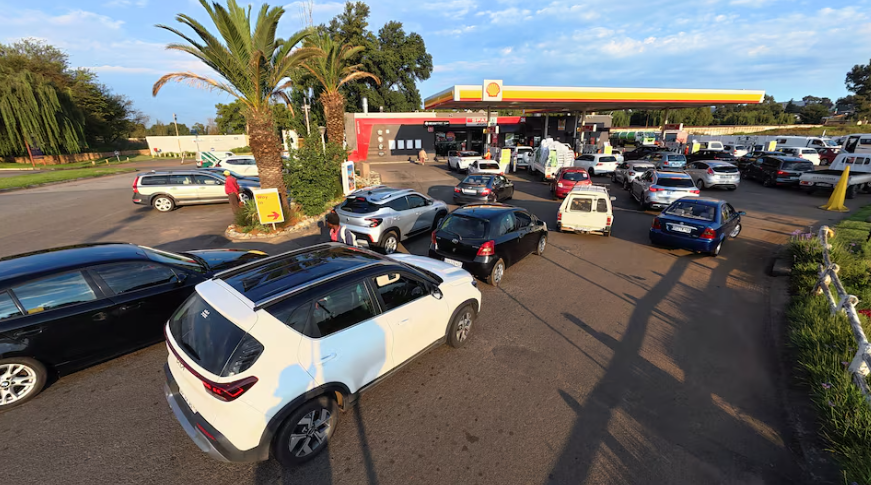
Motorists had to contend with record fuel prices from Wednesday, with 95 unleaded petrol increasing by R3.33 a litre to R30.25 in inland areas, while 93 petrol increased by R3.12 to R29.88. At the coast, 95 petrol will cost R29.38 a litre.
Diesel prices also rose sharply, with 0.05% sulphur diesel increasing by R2.84 a litre and 0.005% sulphur diesel by R3.24 a litre.
Disposable income
“Consumers will have five rand less available to spend out of every thousand rand that they have after this fuel price hike,” Jammine said.
He said the higher fuel prices could also feed into inflation as businesses pass increased transport and operating costs on to consumers.
“The impact is that consumers will feel the pinch and will find it more difficult to keep spending the way they’ve been doing. This could lead to even more inflation in due course through knock on businesses passing on increases to consumers. And could also lead to higher interest rates.”
He said the increase should not be viewed as a fundamental South African economic problem because international developments were driving much of the increase in oil prices.
“The ruling party is not responsible for the rise of the price of petrol. Donald Trump is,” he said.
The increase has been attributed to higher international oil prices amid the war between the United States and Iran.
Jammine said South Africa was already dealing with several structural problems that were weighing on economic growth, including poorly performing municipalities, over-regulation, poor education and crime, which were more likely to influence voters than excessive fuel prices.
Public transport
The South African National Taxi Council (Santaco) said on Tuesday that it would consult the taxi industry, fuel industry and government over the impact of the increases.
“At this stage, Santaco is making no announcement regarding possible taxi fare increases,” it said.
The Congress of South African Trade Unions (Cosatu) has called on Parliament to fast-track a R10 billion appropriation for the Central Energy Fund’s Equalisation Fund to cushion workers, commuters and small businesses.
Jammine said there remained significant uncertainty over how long the conflict driving international oil prices would continue.
INSIDE POLITICS






