



By Simon Nare
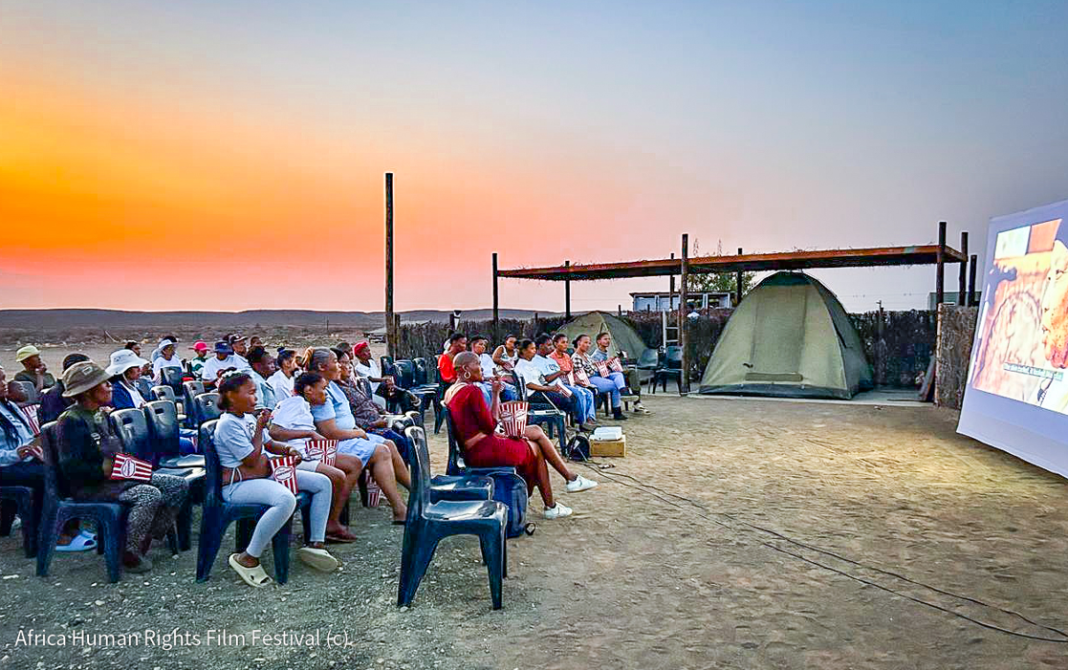
The artist’s silent studio, the Kalahari – ablaze with blue-bowl diamonds at night, rust-red, burnt orange, copper and ochre by day, before time bleaches it bone-white – will inspire filmmakers and other creative industry players during the African Human Rights Festival.
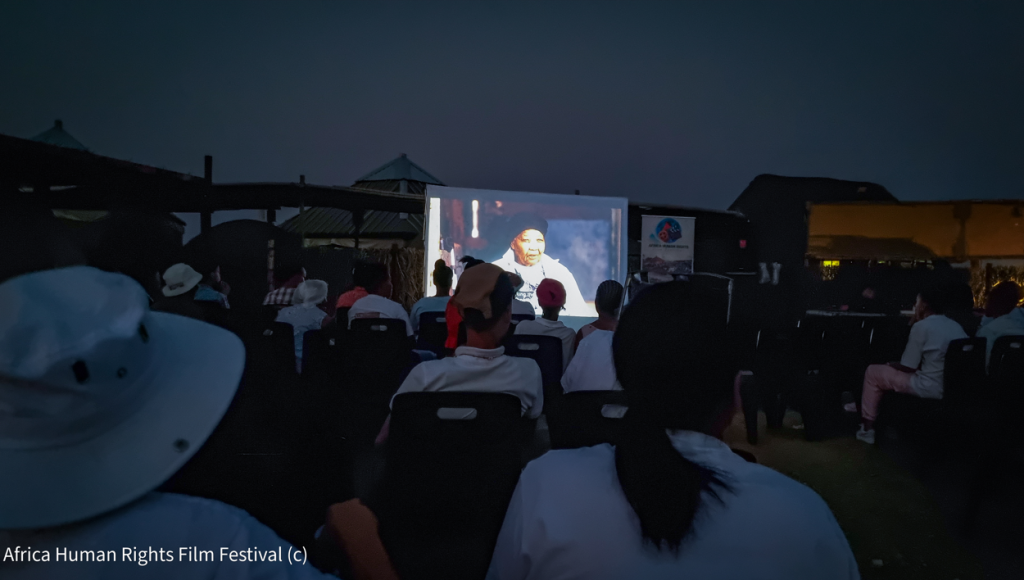
The gathering will bring together filmmakers and industry creatives for dialogue, skills development and networking while they feast on compelling stories about human rights and social justice.
ALSO READ: WATCH: Krugersdorp drug lab bust uncovers R100m press machines
It will be hosted in the communities of Rietfontein and Andriesvale in the Northern Cape from 12-18 October.
The festival will feature film screenings, panel discussions, filmmaking workshops, networking sessions and masterclasses led by experienced industry practitioners.
The initiative was launched in 2018 and has sought to contribute to the development of a sustainable film ecosystem in the Kalahari.
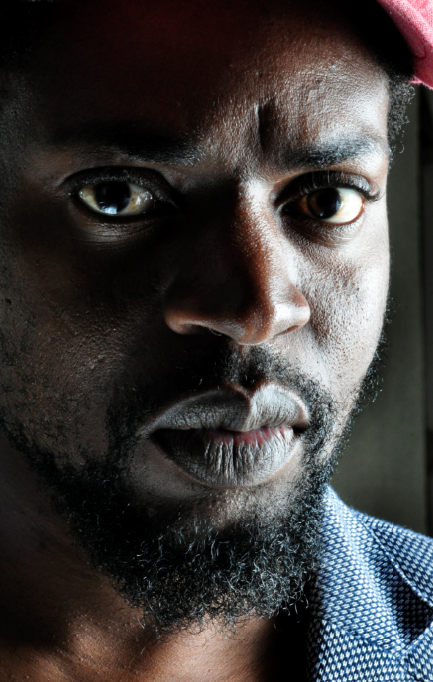
Festival director Davison Mudzingwa said emerging filmmakers from the region will have opportunities to learn directly from established professionals such as veteran trainer Hein Ungerer and filmmaker and trainer Joy Nkgapele.
Mudzingwa said this year’s edition will centre around the theme “Setting the Discourse”, which is a a call to restore the culture of questioning, debating and critically engaging with the issues shaping society.
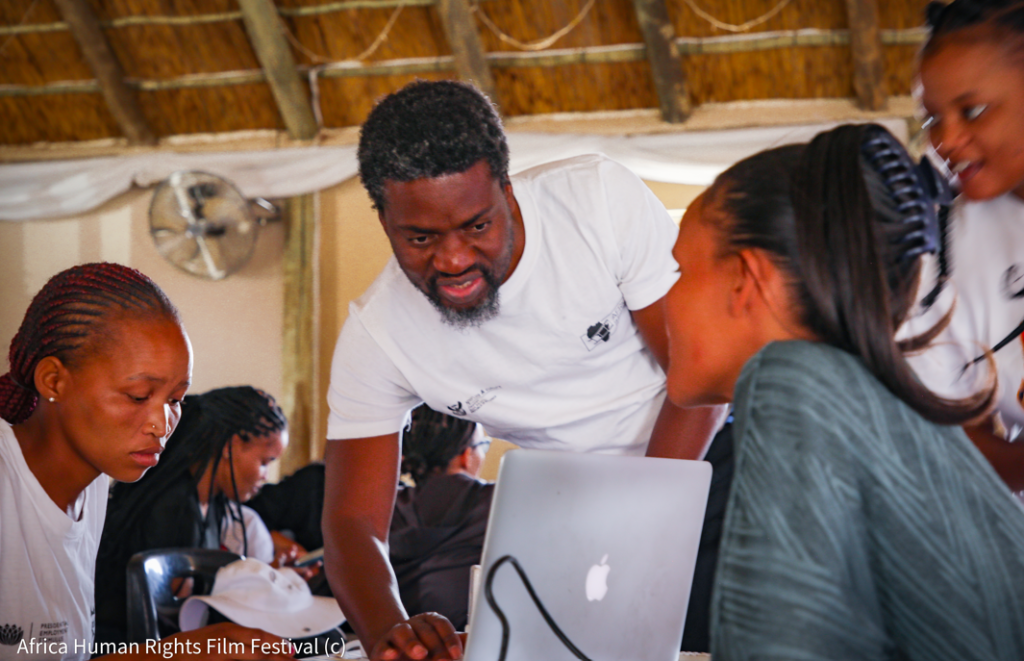
“This comes following the escalation of misinformation on important issues affecting the world. People are too busy with technology, doom-scrolling and a world that sort of praises low attention span. We want this festival to revive the spirit of taking, debating and critically analysing issues,” he said.
This year’s festival programme will feature films exploring land, food sovereignty, migration, identity, ageing, apartheid history and the experiences of communities confronting injustice.
ALSO READ: BMA dismisses claims deportees entering SA through informal crossings
“Over the years, AHRFF has used film education and exhibition as complementary tools; exposing communities to films from South Africa and beyond while simultaneously developing the skills of emerging filmmakers in the region,” said Mudzingwa.
He added that the 2026 festival continues with this approach and it creates a space where audiences are not simply consumers of cinema but participants in conversations about society and their communities.
According to the programme, among the films scheduled for screening is Dear Sikhonkwane, which is directed by Sihle Hlope. It explores the author’s passion for his mother tongue and his life.
Hearts Remember is another offering at the festival, which narrates the complications of dementia and ageing in contemporary South Africa, featuring five families, including the previously untold story of iconic South African football coach Clive Barker.
The documentary brings together the experiences of people living with dementia, their families, community leaders and experts.
The organisers said bringing cinema to rural communities in the desert was also about creating the conditions for local storytellers to tell their own stories and participate more meaningfully in the wider creative economy.
“A lot has been said about the marginalisation of the Kalahari. We believe the film ecosystem is beginning to show signs of growth following years of skills development and film exhibition,” said Mudzingwa.
“There is evidence that with proper support and resourcing, marginalised communities can compete equally with peers elsewhere in the world and their unique stories are the currency.”
The lineup is also set to feature regional documentaries made by young local filmmakers from the Kalahari exploring gender-based violence, identity and coming-of-age stories.






