

By Simon Nare
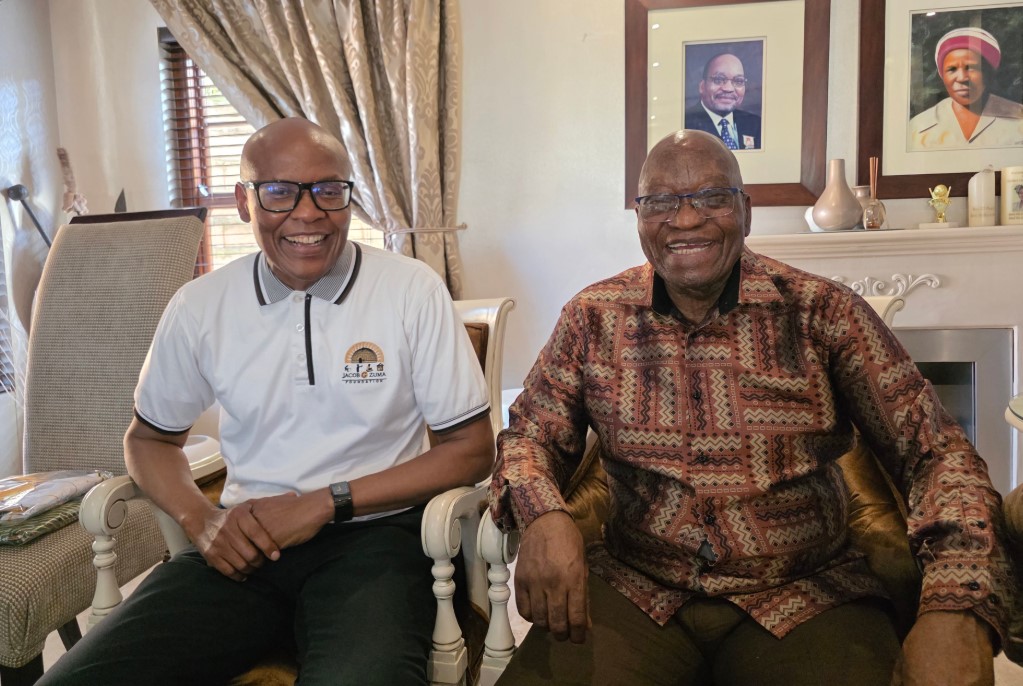
Jacob Zuma Foundation spokesperson Mzwanele Manyi has questioned the sincerity of President Cyril Ramaphosa’s concern for the well-being and dignity of the foundation’s eponymous former president, who remains hospitalised at Netcare St Anne’s Hospital in Pietermaritzburg.
Taking to his X account on Sunday, Manyi said Ramaphosa’s commitment should be reflected in practical and meaningful action, citing proper maintenance of Zuma’s Nkandla homestead through the relevant public works structures and the replacement of the now MK Party (MKP) president’s ageing vehicle fleet as matters that warranted serious consideration.
Manyi’s reaction followed comments by Ramaphosa on Friday, when the president confirmed that Zuma was unwell and receiving medical treatment, in contrast to an earlier statement from the MKP that the former president was simply undergoing routine medical checks.
“President Jacob Zuma has not been well, and he has now been put under treatment by doctors,” Ramaphosa told reporters in the Free State.
Ramaphosa said the military surgeon general had been briefed about Zuma’s condition and wished the former president a speedy recovery.
“We wish him a very quick recovery, and we want him to be well, and up, and continuing to serve the people of South Africa in whichever way,” Ramaphosa said.
The MKP’s official statement had said Zuma was undergoing a routine medical check-up and was “healthy and in good spirits”.
Manyi said that regardless of political differences, respect for former heads of state and the preservation of their dignity should remain an important principle of South Africa’s constitutional democracy.
“Leadership is ultimately measured not only by words, but by the consistency with which principles are translated into action. There is much more that could be said on this matter, but the central point remains: dignity, respect and due care for former Heads of State should be demonstrated through responsible and tangible action,” he said.
Media coverage of Zuma
Manyi also hit out at the media for its coverage of the former president’s hospitalisation, saying the industry had turned it into a “media frenzy” and appeared unable to resist “turning every development into a matter of intense national speculation”.
He said that Deputy President Paul Mashatile had reportedly been unwell for about two months, but had not been subjected to the same level of scrutiny.
“There was no apparent minute-by-minute demand for updates, nor did we see the same intensity of media attention surrounding his recovery. Yet, when it comes to H.E. President Zuma, the media appears unable to resist turning every development into a matter of intense national speculation,” he said.
Manyi questioned whether the media was genuinely concerned about Zuma’s health or whether there was an ulterior motive, while acknowledging that the media had a legitimate role to play in keeping the public informed.
He added that such reporting was not responsible journalism but rather fuelled anxiety, encouraged speculation and created unnecessary public panic.
“President Zuma deserves the same dignity, privacy and consideration that should be afforded to any person facing a health challenge. His health should not become an opportunity for sensationalism.
“The question is simple: Why does the media apply such different standards, and who benefits from turning President Zuma’s health into a national spectacle?
“South Africans deserve responsible journalism, not a constant cycle of speculation and alarm,” he said.
“Let President Zuma recover in privacy and dignity.”
Manyi did not offer any new update on Zuma’s health.
INSIDE POLITICS