

By Johnathan Paoli
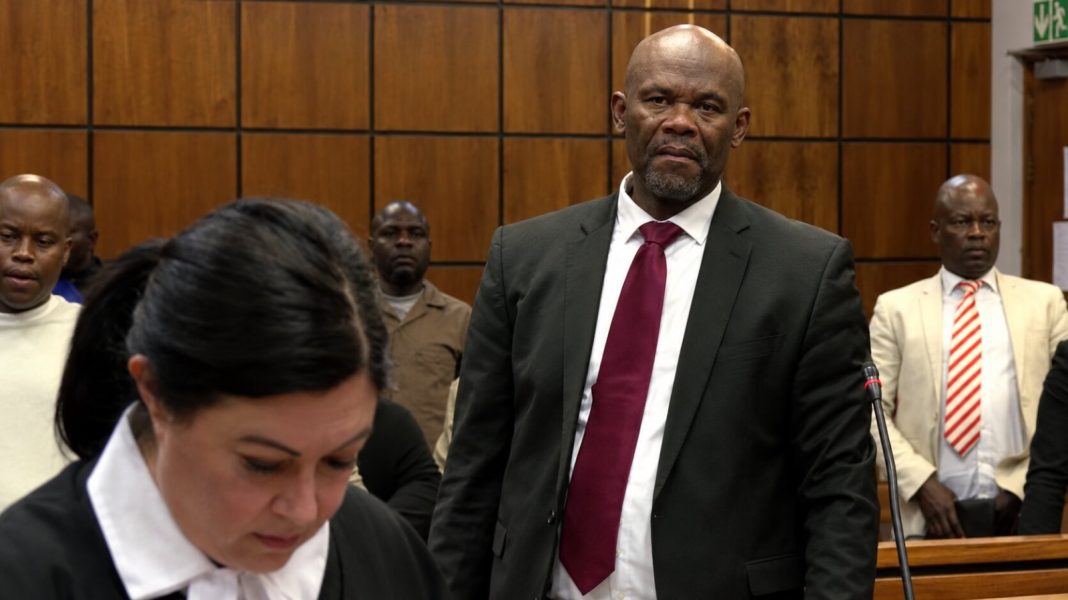
The state has urged the court to deny bail to suspended Deputy National Police Commissioner Shadrack Sibiya, arguing that his release could expose witnesses to intimidation and undermine the investigation into sexual offences against a young woman.
Appearing in the Randburg Magistrate’s Court on Thursday, Prosecutor Velile Makasana said that evidence of alleged threats, possible witness interference and the destruction of cellphone information raised serious concerns about whether Sibiya could be released without compromising the case.
ALSO READ: ConCourt clears ANC’s 181 candidate nominations as Mbalula takes aim at DA
“In our view, there is no bail condition that can prevent somebody to carry out his mission, especially if one has already made his threats. And we have a lot of case law where people go out on bail, commit offences against the very same people who open cases,” he said.
“By the time the state reacts by cancelling the bail, the damage is already done, life is lost, somebody’s injured. If anything happens to those witnesses having granted bail, in light of all the red flags, then the blame will be with the government, will be with the justice system, it will be with the NPA,” Makasana added.
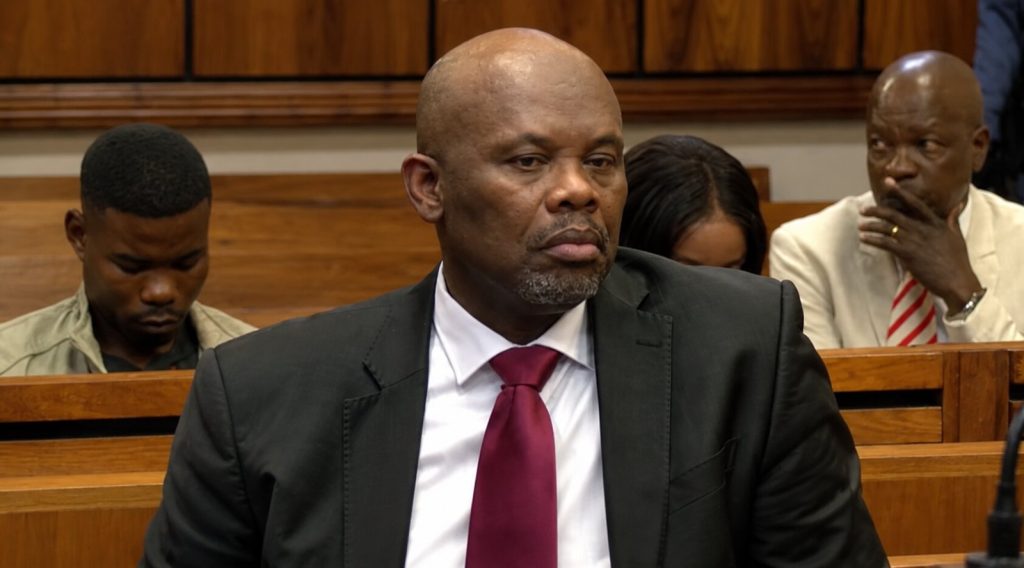
The state’s closing arguments focused on the likelihood of witness intimidation, the strength of the prosecution’s case and whether the interests of justice permitted Sibiya’s release.
The defence, however, argued that the state had failed to establish the necessary grounds for refusing bail and urged the magistrate to assess the evidence against the legal requirements.
Sibiya faces six charges, including rape, sexual grooming, human trafficking and negligent handling of a firearm, which he denies.
He is accused of raping an 18-year-old woman who the State alleges was too intoxicated to consent to sex after being plied with alcohol at a Sandton nightclub, and of sexually grooming a 16-year-old girl. He also allegedly unlawfully received and distributed pornographic material involving the minor.
ALSO READ: NPA denies arrest warrants issued for Jacinta Ngobese-Zuma and husband
Makasana argued that the state had presented sufficient evidence to support its case, and questioned Sibiya’s conduct before his arrest, alleging that cellphones he had used around the time of the alleged offences were wiped on his instructions.
“His past conduct casts light on what the applicant can do in future. If, being a police officer, he managed to destroy evidence fully aware that it was sought, then one should not wonder about his capabilities,” Makasana submitted.
The prosecution also relied on an audio recording of a 21 September telephone conversation between Sibiya and complainant Mr M, who represents the young woman, identified as ZM.
Makasana argued that Sibiya’s words during the conversation amounted to intimidation, particularly because Mr M was at a police station opening a case against him.
The prosecutor argued that the words had to be understood in the context of the relationship between the two men, with Mr M previously having worked as Sibiya’s bodyguard, and the circumstances in which the call was made.
The state further alleged that attempts had been made by people close to Sibiya to persuade Mr M to drop the charges.
Makasana said the court should consider the cumulative evidence when assessing whether there was a likelihood of witness interference, arguing that the seriousness of the charges and the potential consequences of a conviction created an incentive for Sibiya to evade trial.
Makasana also challenged the defence’s reliance on affidavits attacking the character of Mr M, saying the complainant’s alleged shortcomings were matters for trial and should not distract the court from the bail application.
“I’m not saying Mr M is an angel. I’m not suggesting that there are no things that he should be attacked of. But to come to court and attack him when he’s representing a victim of crime of sexual nature has got a lot to say about the person and the agenda behind,” he said.
But Sibiya’s advocate Estelle Kilian rejected the State’s argument that the allegations established a likelihood of future interference, saying the court had to distinguish between alleged past conduct and what might happen if Sibiya were released.
“The court cannot now punish the accused for what the state says he has done in the past. This must translate to the future,” she said.
Kilian said the State needed to demonstrate a threat linked to a future event, such as a witness being warned that they would face consequences if they testified, claiming that the evidence relied on by the prosecution did not establish that kind of future-linked threat.
She stressed that the State’s refusal to propose possible bail conditions did not relieve the court of its responsibility to consider whether safeguards could address its concerns, insisting that conditions could manage the risks identified by the prosecution.
Kilian reasserted her dispute of the State’s reliance on the human trafficking charge, arguing that the alleged conduct did not meet the legal definition of trafficking.
She stressed that the application for bail rested on the cumulative circumstances advanced by Sibiya, rather than solely on an argument that the State’s case was weak.
Magistrate Hleziphi Mkhasibe said she could not deliver judgment on Thursday or Friday because of the volume of documentation she needed to consider.
The matter was postponed to Tuesday for judgment on Sibiya’s bail application.