



By Johnathan Paoli
The City of Tshwane has suspended the manager of the Bronkhorstspruit Water Treatment Works following the supply of contaminated water to residents, as the metro moves to establish who was responsible for failures that contributed to a gastrointestinal illness outbreak.
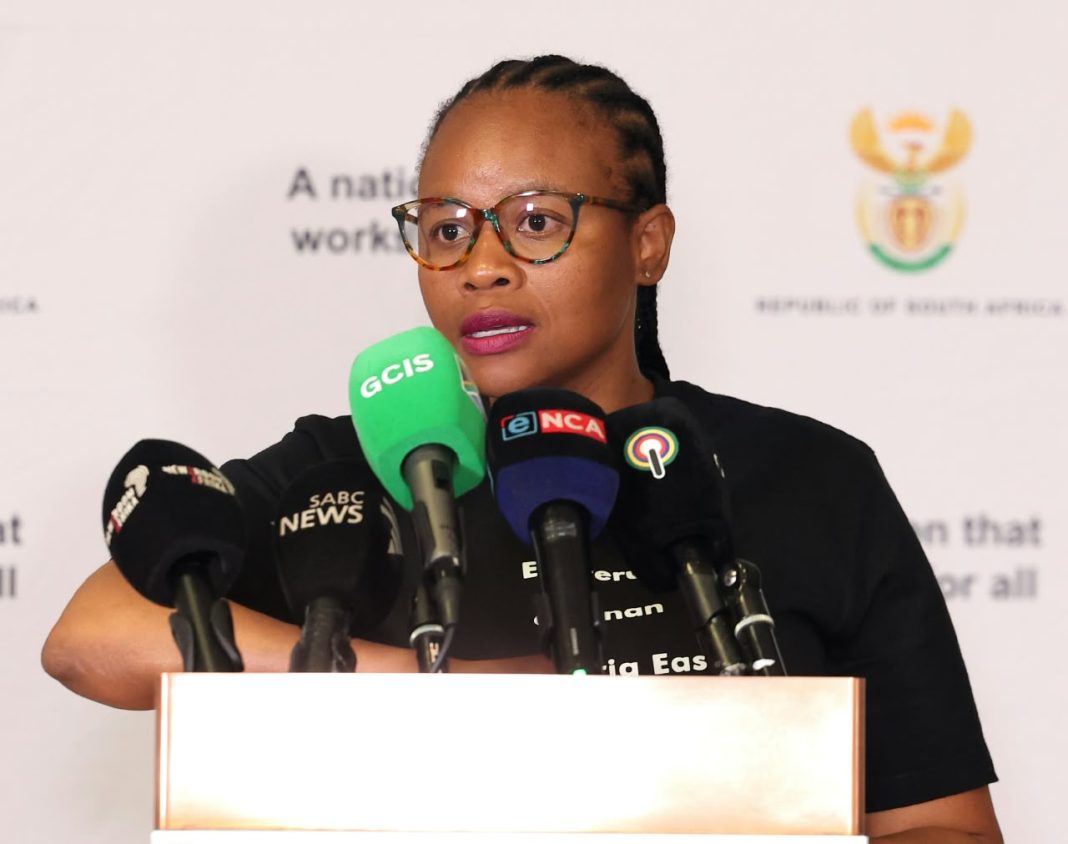
Mayor Nasiphi Moya said on Friday that an independent external investigation had been ordered to determine what went wrong at the plant, including problems with chlorine supplies and the failure to alert affected communities that their water was unsafe.
“Now that the plant manager is suspended, we are continuing with the investigation because it’s a whole value chain and something in the communication broke, and we need to establish exactly where it broke. Beyond holding the officials and people accountable, we need to figure out which systems we need to fix,” Moya said.
She said that the suspension followed a preliminary investigation conducted by the city’s chief operations officer (COO), who had been tasked with examining the interruption of chlorine supplies and the failure to escalate the associated risks or warn residents timeously.
The manager will remain suspended pending further investigation.
Moya said she had directed that an independent external investigation be commissioned to establish the full circumstances surrounding the failures, identify additional administrative shortcomings and determine where responsibility lay.
“This investigation must examine the relevant procurement, operational, management and communication processes, including whether appropriate controls and escalation procedures were followed,” she said.
The city would also cooperate with investigations by any government agencies pursuing accountability, she added.
“As Executive Mayor, I have accepted overall political responsibility for the City’s response to this crisis. However, political accountability must be accompanied by administrative accountability, particularly where the health and safety of residents are concerned,” she said.
“Residents deserve to know not only what went wrong, but that there will be consequences where negligence or misconduct is established. They must also have confidence that the City is taking the necessary steps to prevent similar failures in future,” Moya added.
She said the city’s immediate priority remained protecting affected communities, maintaining safe alternative water supplies and accelerating the rehabilitation of the treatment works in collaboration with Rand Water.
“Accountability must lead to consequences where warranted, but also to lasting improvements in how the City operates and protects its residents,” she said.
The suspension follows revelations earlier this week that water supplied by the Bronkhorstspruit plant had not been chlorinated for three weeks because of problems with the city’s chlorine supplier.
Water and Sanitation Minister Pemmy Majodina said on Monday that an investigation had found that the water had not been chlorinated between 24 September and 14 October.
According to the findings, the municipality had also failed to warn residents in affected areas that the water had not been disinfected and was unsafe for consumption and domestic use.
The contamination is believed to be linked to more than 400 cases of gastrointestinal illness.
The outbreak has affected communities including Bronkhorstspruit, Zithobeni, Rethabiseng, Dark City and Sokhulumi, with patients receiving treatment at Bronkhorstspruit Hospital and surrounding clinics.
Laboratory tests detected extremely high levels of E. coli and other bacteria in water samples from the treatment works and nearby reservoirs.
The National Institute for Communicable Diseases also detected norovirus, Campylobacter and Shigella in samples collected from patients suffering from gastrointestinal illness.
The treatment works draws water from the Bronkhorstspruit River, which is polluted by sewage from dysfunctional wastewater treatment plants in neighbouring Victor Khanye Municipality and faulty sewage pump stations in Tshwane.
Moya previously attributed the interruption in chlorination to a breakdown in negotiations with the city’s chlorine supplier following a price increase.
She said disciplinary action would be taken against officials responsible for managing the plant and failing to alert the city’s leadership to the shortage.
The Department of Water and Sanitation has appointed the Water Research Commission to conduct independent testing and investigate the causes of the contamination, with a report expected by 28 October.
The Public Protector has also launched an investigation into allegations of maladministration and improper conduct by the municipality following complaints about its handling of the crisis.
Residents supplied by the Bronkhorstspruit system have been warned not to use tap water for drinking, cooking, washing or bathing, even after boiling.
The water may only be used to flush toilets.
INSIDE POLITICS






