



By Johnathan Paoli
The Electoral Commission (IEC) has warned political parties and candidates against allowing fierce competition in next week’s local government elections to descend into lasting hostility, as it prepares to oversee a contest involving more than 136,000 candidates.
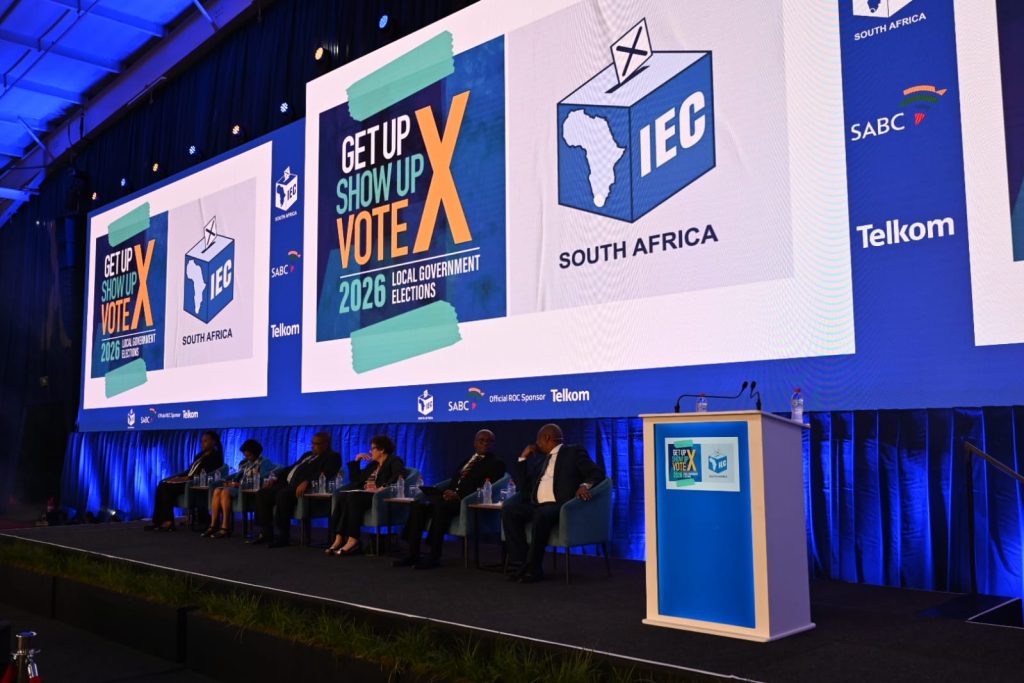
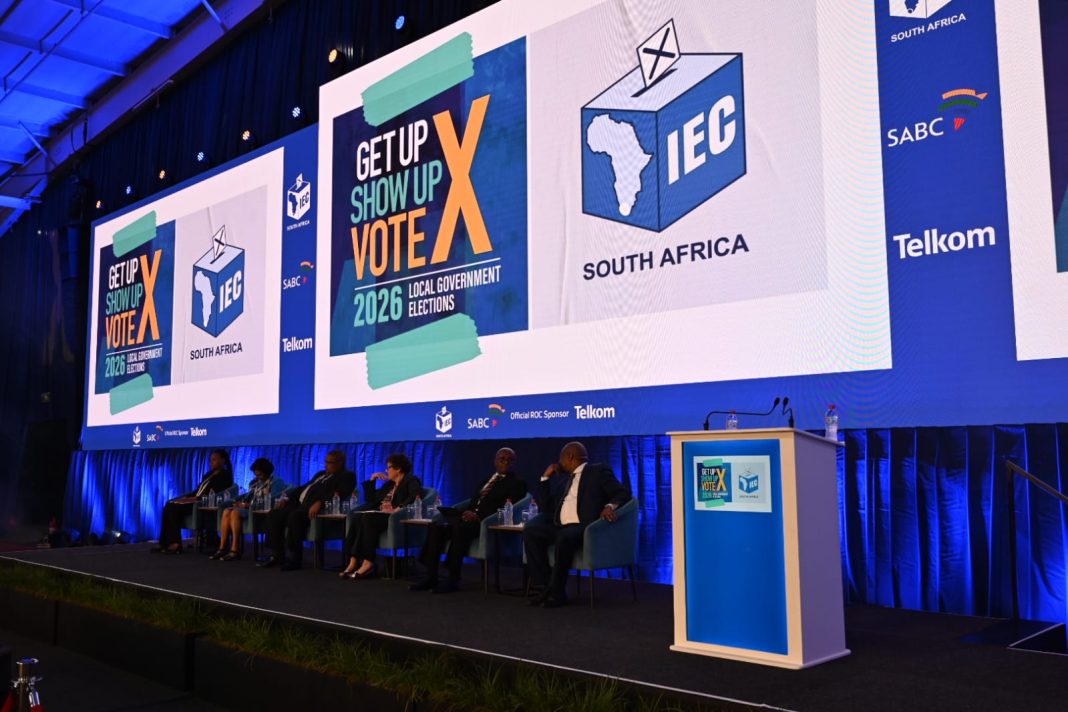
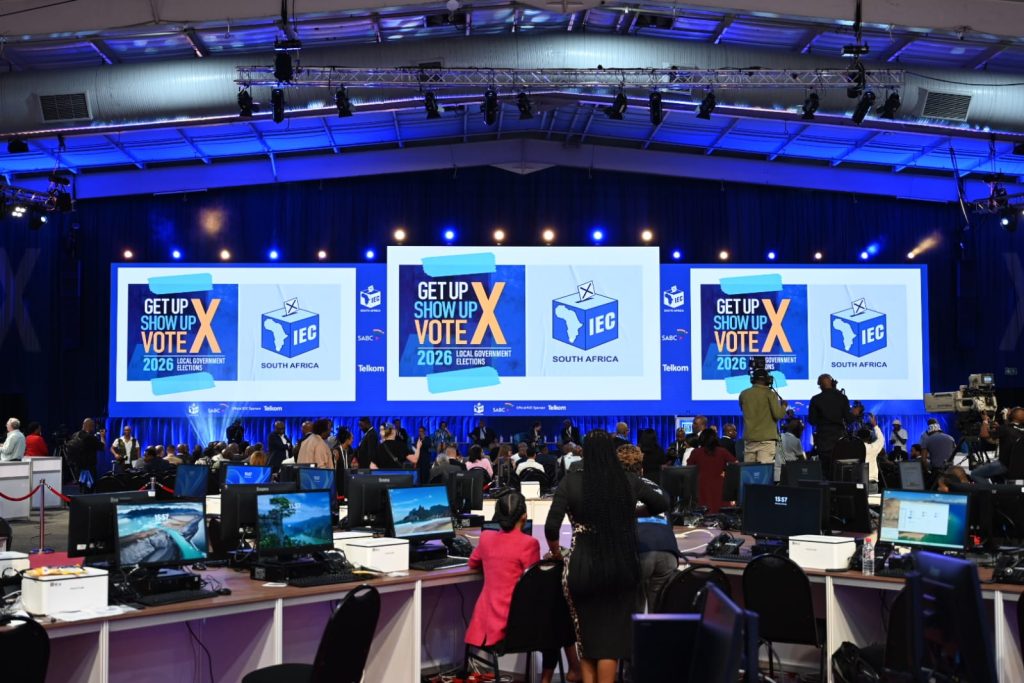
Speaking at the launch of the national results operations centre (ROC) at the Gallagher Convention Centre in Midrand on Wednesday, IEC commissioner Mosotho Moepya said robust political competition is a fundamental part of democracy.
But rivalries should not undermine the legitimacy of political opponents or public confidence in the electoral process, he said.
“Robust political contestation must never mutate into permanent enmity. As democratic theory shows, an election’s sustainability depends on institutionalised tolerance and mutual acceptance of political rivals as legitimate actors,” Moepya said.
He said the sustainability of elections depended on political rivals accepting one another as legitimate participants in the democratic process, despite their differences.
ALSO READ: No preferred bidders appointed for first gas-to-power procurement round
“Democratic consolidation relies on the collaborative civic infrastructure where institutions and citizens co-create political legitimacy,” Moepya said.
The political rivalry is particularly pronounced in major metros such as Johannesburg, Tshwane, eThekwini and Ekurhuleni, where shifting voter support and fragmented councils have made control of municipal government increasingly contested. There are also a number of hotspots in KwaZulu-Natal where political candidates have been murdered.
The IEC chairperson also cautioned against the dangers of digital disinformation, warning that the battle over information could affect the credibility of the elections.
“In an era where digital disinformation can travel faster and disrupt more deeply than the truth, safeguarding information integrity is directly tied to the safeguarding of the integrity of the election itself,” he said.
Moepya called on journalists to scrutinise political power responsibly, while verifying information before publishing or amplifying claims.
ALSO READ: EXCLUSIVE: Municipal failures push South Africans to protests, court action and self-help
“The commission does not seek insulation from criticism. Evidence-based media scrutiny is a vital part of the work that we do and of the accountability that this nation seeks so deeply,” he said.
He said that the commission did not claim perfection and had to continually earn public trust through transparent processes and compliance with the law.
IEC CEO Sy Mamabolo told the launch that the commission had completed independent audits of its results system, with identified findings addressed ahead of polling day.
The IEC has also introduced a virtual results operations centre, allowing political parties and other stakeholders to access results and associated reports remotely.
Moepya said the election was a national undertaking requiring cooperation among institutions, political parties, candidates and citizens.
He urged voters to participate in the democratic process while reminding political contestants that their conduct would influence public confidence.
The IEC has called on all 29.2 million registered voters to cast their ballots on 4 November, as preparations for the local government elections enter their final stage.






