



By Lebone Rodah Mosima
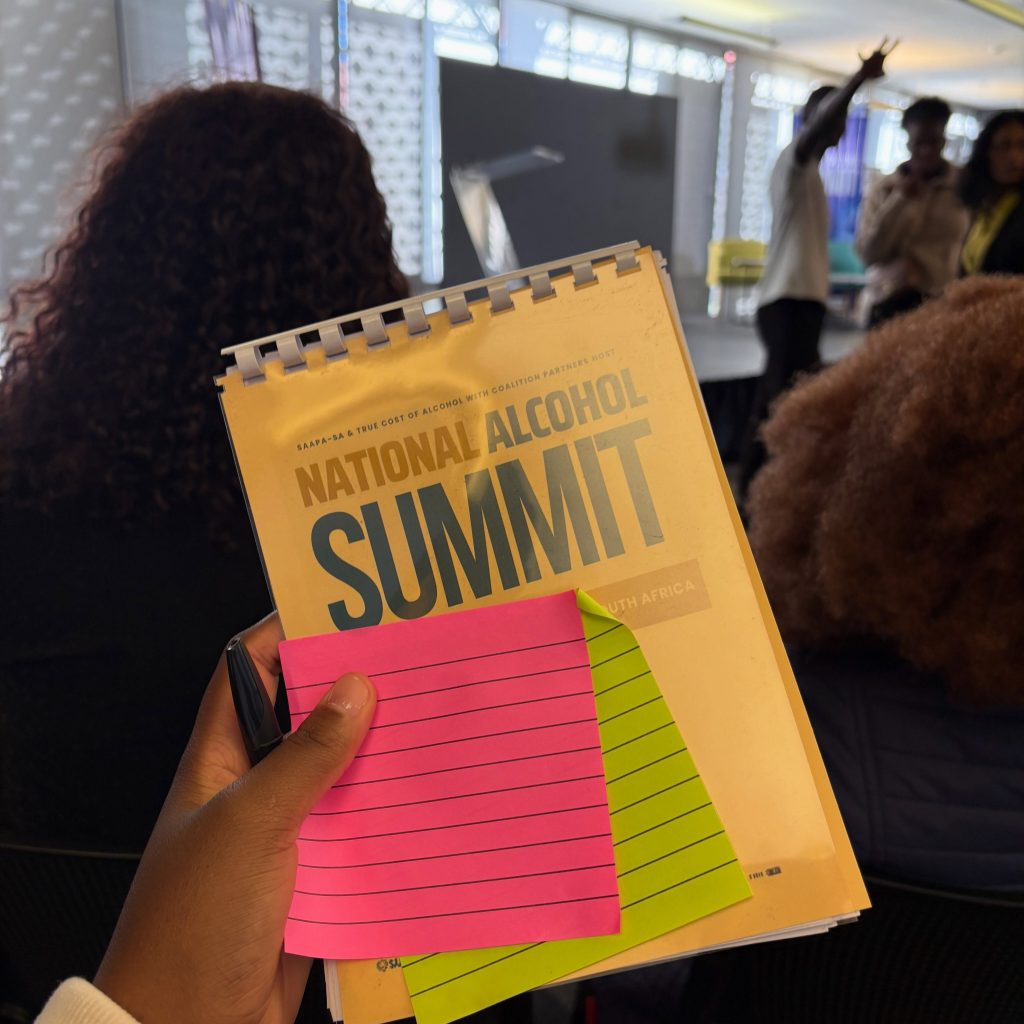
The Southern African Alcohol Policy Alliance South Africa (SAAPA SA) has launched an election accountability tracker to assess how political parties plan to address alcohol-related harm ahead of the 4 November local government elections.
The Election Manifesto Tracker, launched through SAAPA SA’s True Cost of Alcohol campaign, aims to help voters evaluate parties’ policy commitments and hold elected representatives accountable for delivering on their promises.
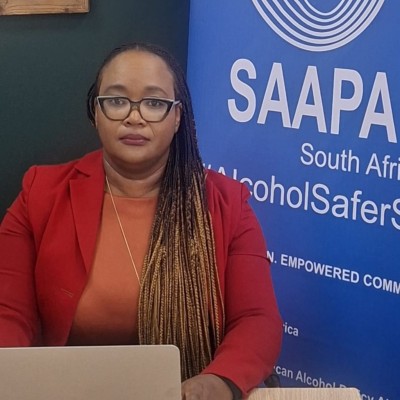
Nomcebo Dlamini, campaign director of the True Cost of Alcohol, said political party manifestos lacked comprehensive and measurable municipal strategies to prevent alcohol-related harm through prevention, regulation, enforcement and community participation.
“Voters deserve access to information that helps them make informed choices about the future of their communities,” Dlamini said.
“The Election Accountability Tracker enables citizens to see whether political parties are prioritising policies that can reduce alcohol-related harm, improve community safety and strengthen public well-being.”
Speaking to Inside Politics, Dlamini said the tracker was not simply about comparing the economic contribution of the alcohol industry with the costs of alcohol-related harm.
Its primary purpose was to assess whether parties recognised alcohol harm as a municipal development, public health, safety and economic issue, and whether they had made meaningful commitments to address it.
While the alcohol and hospitality industries contribute to employment and tax revenue, municipalities and communities bear costs associated with violence, road crashes, emergency services, healthcare pressures, lost productivity and family instability, she said.
“These costs are often overlooked in discussions about the industry’s economic contribution,” Dlamini said.
She emphasised that the tracker was a policy accountability tool rather than a municipal cost-benefit model that assigned monetary values to party proposals.
“Our position is that economic development and public health should not be treated as competing priorities,” she said.
Dlamini said municipalities needed to create sustainable livelihoods while protecting communities from preventable harm.
Political parties should therefore explain how their economic development strategies would reduce, rather than perpetuate, the social and economic burden of alcohol.
She said the tracker assessed whether parties recognised problems associated with illegal liquor trading, inadequate enforcement of existing laws and the concentration of liquor outlets in residential areas.
Rather than introducing new laws without addressing existing enforcement failures, municipalities needed to ensure that liquor legislation, licensing conditions and municipal by-laws were applied consistently.
“What is required is a balanced approach that combines effective regulation and enforcement, meaningful community participation and economic alternatives,” Dlamini said.
This included greater transparency in licensing decisions, improved coordination between municipalities, provincial liquor authorities and designated South African Police Service liquor officers, as well as support for alternative livelihoods where appropriate.
She said enforcement should target illegal trading and non-compliance without unnecessarily penalising lawful informal traders or those seeking to regularise their businesses.
Communities also needed a meaningful voice in deciding where liquor outlets could operate, particularly near schools, residential areas and facilities serving children.
Dlamini said SAAPA SA’s assessment found that political parties largely overlooked alcohol harm prevention, although some had made encouraging commitments.
The Economic Freedom Fighters (EFF) proposed municipal rehabilitation centres and community-based substance use prevention programmes, she said.
The ANC, on the other hand, committed to enforcing by-laws against unlawful liquor outlets and strengthening referrals to treatment and social services while the Democratic Alliance’s manifesto emphasised community safety and stronger municipal enforcement.
However, SAAPA SA wanted parties to place greater emphasis on preventing alcohol harm before it occurred through community-led programmes, alcohol-free recreational spaces for young people, safer public environments and meaningful community participation in decisions affecting neighbourhoods.
Dlamini expressed particular concern about the lack of clear commitments to establishing and strengthening Local Drug Action Committees (LDACs), which coordinate substance use prevention and responses at municipal level.
She said the tracker would also serve as a baseline for monitoring parties’ performance after the elections, including whether their commitments were incorporated into municipal Integrated Development Plans (IDPs), budgets, performance targets and service delivery programmes.
A key priority would be ensuring that LDACs were established, functional and adequately resourced to coordinate alcohol harm prevention.
SAAPA SA also planned to encourage communities to participate in IDP consultations, ward committees and municipal oversight processes. Residents would be encouraged to monitor prevention programmes, community participation in liquor licensing and alcohol-related safety interventions.
The alliance also intended to engage councillors through the South African Local Government Association’s induction programmes to place alcohol harm prevention on the local government agenda from the start of the new municipal term.
“Ultimately, we want citizens to use the tracker throughout the municipal term to hold elected representatives accountable. Election promises must translate into funded programmes, measurable targets and tangible improvements in community safety,” Dlamini said.
She identified a lack of alignment between national alcohol policies and municipal implementation as another weakness.
While national government determines alcohol taxation and national and provincial legislation regulates various aspects of liquor trading, municipalities are responsible for land-use planning, zoning, relevant by-laws, community safety and local prevention programmes.
Dlamini said party manifestos offered limited detail on how municipalities would coordinate with provincial liquor authorities, national departments and law enforcement agencies.
For SAAPA SA’s True Cost of Alcohol campaign, taxation needed to be complemented by effective regulation of alcohol availability, restrictions on harmful marketing, enforcement of existing laws and community-based prevention programmes.
“Higher alcohol taxes can reduce affordability and harmful consumption, but local authorities must also address illegal trading, excessive liquor outlet concentration, alcohol-related violence and the protection of children,” she said.
She said this required coordinated action involving National Treasury, the Department of Trade, Industry and Competition, provincial liquor authorities, the SAPS, health and social development departments, and municipalities.
The National Drug Master Plan provided a framework for coordination, particularly through provincial substance abuse forums and LDACs, she added.
Dlamini said the tracker highlighted gaps in political commitments to reducing alcohol-related harm, despite its consequences for public health, gender-based violence, child protection, crime and local economic development.
SAAPA SA was not telling voters which party to support, she said, but encouraging them to assess whether parties had credible, practical and measurable plans to protect their communities.
“Our message is simple: the prevention of alcohol harm must become a local government priority, not an afterthought,” Dlamini said.
“The real test of political commitment will not be what parties promise before the elections, but what they deliver afterwards. Communities deserve safer environments, accountable leadership and meaningful action to prevent alcohol harm.”
INSIDE POLITICS






