



By Thapelo Molefe
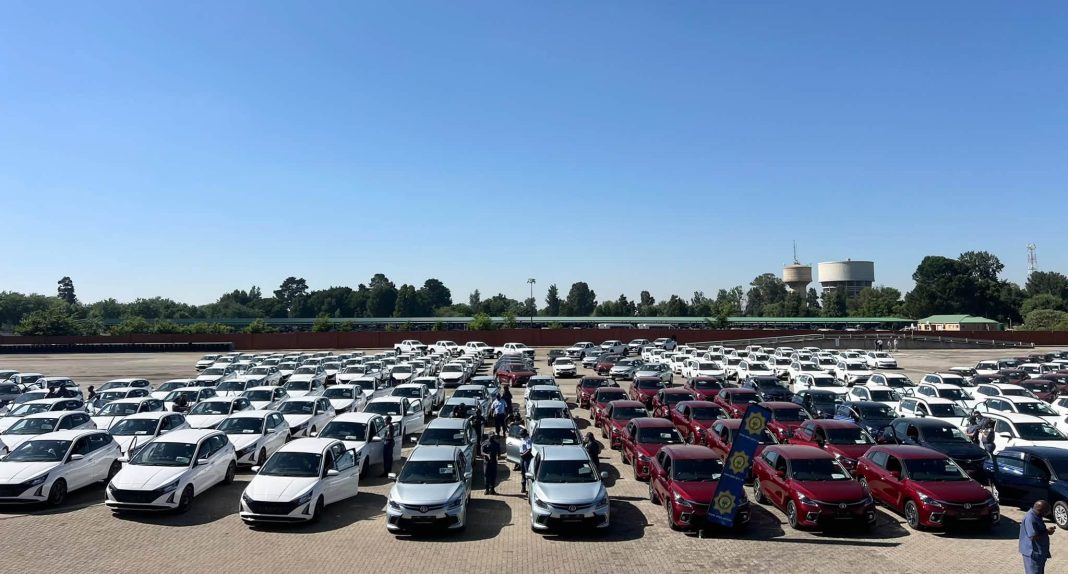
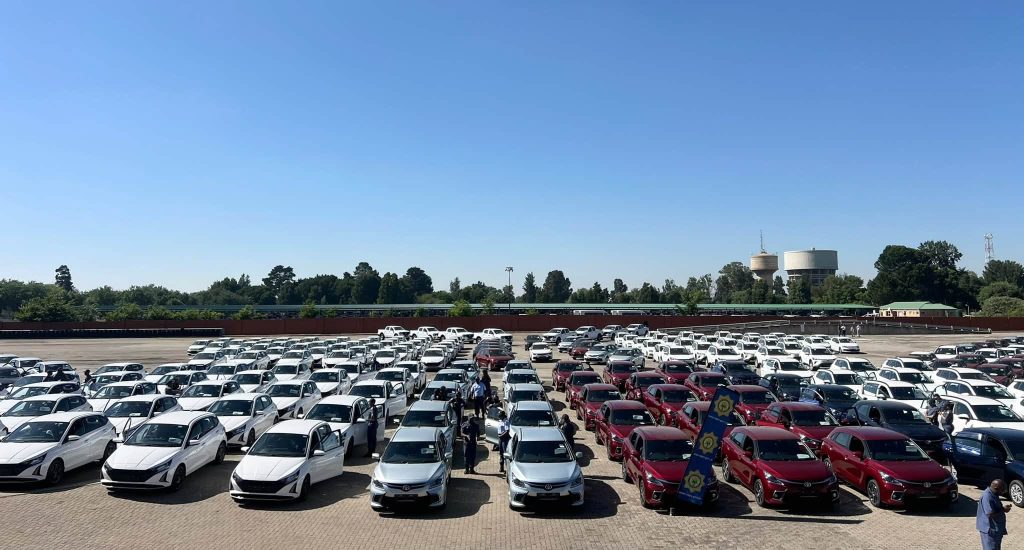
The South African Police Service (SAPS) will not tolerate intimidation or violence during the 4 November local government elections, National Commissioner General Fannie Masemola has warned, as the police deploy 1,087 new vehicles worth approximately R518 million to strengthen operational capacity.
Masemola said the police were preparing to maintain public order, protect people and property, prevent crime and ensure eligible voters could participate freely and safely in the elections.
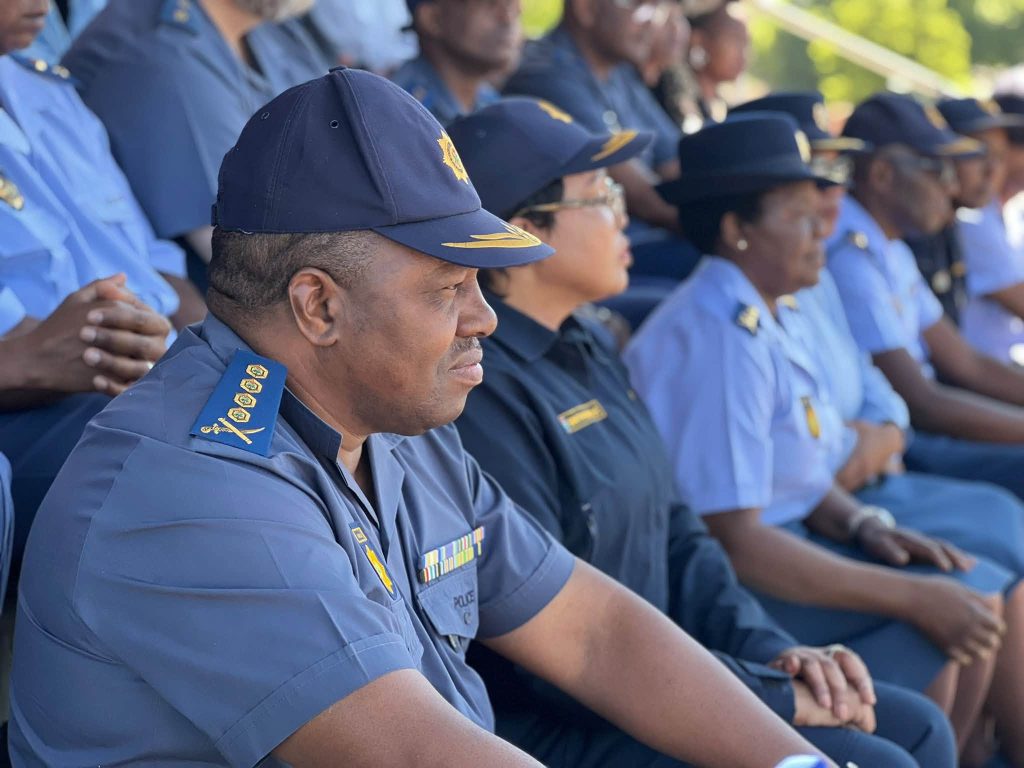
“Our responsibility is to ensure that political activities take place within the law and that communities can exercise their democratic rights without fear, intimidation or violence,” he said.
Masemola was speaking on Thursday at the SAPS Academy in Benoni, where he officially handed over the vehicles as part of the police service’s investment in operational capacity for the 2026/2027 financial year.
He called on political parties, candidates, supporters and community leaders to cooperate with law enforcement agencies and respect differing political views.
The commissioner warned that criminality, intimidation and violence that threatened public safety or undermined the democratic process would not be tolerated.
The warning comes amid concerns about possible protests and disruptions during the elections.
The new fleet, comprising sedans and double-cab bakkies, will be distributed to 140 identified high-crime police stations, Detective Services, Forensic Services, Visible Policing, Family Violence, Child Protection and Sexual Offences (FCS) units, 10111 emergency call centres and Flying Squads.
Of the 1,087 vehicles, 739 have been allocated to Detective Services and Forensic Services, including 200 dedicated to FCS units. A further 290 vehicles will go to Visible Policing and Operations, while 58 will be retained at SAPS head office as a reserve fleet for special interventions.
Masemola said the vehicles would improve police visibility, strengthen investigations, speed up emergency responses and help ensure communities received more effective policing services.
“Fleet availability is therefore not merely an administrative or logistical matter. It is a strategic pillar of effective policing and an essential component of our ability to fulfil our constitutional responsibilities,” he said.
He said the impact of the investment would be measured by improvements in policing on the ground, particularly at stations facing persistently high crime levels.
“Our communities must experience a police service that is accessible, responsive and present when it matters most,” Masemola said.
“Our success will not be measured by the number of vehicles handed over today, but by the difference they make in the daily lives of the people we serve.”
The allocation of 200 vehicles to FCS units is intended to strengthen the police response to gender-based violence, domestic violence, sexual offences and crimes against children.
Masemola said specialised investigators needed the resources to reach victims, conduct investigations and pursue cases effectively.
“Victims of sexual offences, domestic violence and child abuse often approach the police at their most vulnerable. They deserve a response that is professional, compassionate, timely and sensitive to their circumstances,” he said.
The allocation comes ahead of the 16 Days of Activism for No Violence against Women and Children campaign, which runs from 25 November to 10 December.
Masemola said protecting women and children had to remain a continuous policing responsibility rather than a seasonal campaign.
“It is a continuous policing obligation that demands sustained operational readiness, thorough investigations, accountability for perpetrators and close cooperation with communities and relevant stakeholders,” he said.
He warned that victims should not be left waiting for assistance because police lacked the vehicles needed to reach them.
The vehicles will be distributed across all nine provinces, with the Eastern Cape receiving the largest allocation of 163, followed by Gauteng with 151 and Mpumalanga with 147.
KwaZulu-Natal will receive 135 vehicles, the Western Cape 113, the Free State 103, North West 84, Limpopo 79 and the Northern Cape 54. The remaining 58 vehicles will be kept at head office for special interventions.
The investment is in addition to vehicles distributed in support of the National Safer Festive Season Operations. Masemola said the latest allocation was intended to maintain operational readiness throughout the year.
He said providing vehicles was only part of strengthening policing, warning that the resources had to be properly managed, maintained and deployed according to operational needs.
He called on provincial and divisional commissioners, station commanders, unit commanders and fleet managers to ensure regular servicing, accurate record-keeping and compliance with fleet management standards.
“We cannot afford to invest substantial public resources in vehicles that become unavailable because of preventable maintenance failures, negligence or misuse,” he said.
Masemola also urged communities to report crime, provide credible information and work with police to identify and address threats to public safety.
“The fight against crime is a collective responsibility, and meaningful partnerships remain essential to building safer communities,” he said.
He said the new vehicles should ultimately improve emergency response, strengthen crime prevention, protect vulnerable victims and help the SAPS fulfil its constitutional mandate.






