



By Simon Nare
The Thabo Mbeki Foundation’s “We the People” exhibition traces the African roots of South Africa’s Constitution, challenging perceptions that the country’s founding document is primarily a product of Western influence.
Foundation chief operating officer Lukhanyo Neer said the exhibition highlighted the contributions of African leaders and liberation movements to the principles that underpin the Constitution, including former ANC president Oliver Tambo, who began laying the groundwork for constitutional negotiations in exile in the 1980s.
ALSO READ: NPA freezes R99m in assets linked to taxi boss Joe ‘Ferrari’ Sibanyoni
Speaking to Inside Politics, Neer said the exhibition sought to dispel misconceptions about the origins of the Constitution by tracing its history to African political traditions and decades of resistance to apartheid.
“People keep asking who made this Constitution, and then you keep getting this idea that it’s a Western constitution, that the Constitution comes from Europe and other people,” he said.
One of the exhibition’s starting points is the Manden Charter, associated with the founding of the Mali Empire in West Africa in the 13th century. The charter set out principles for governance, the sharing of power and relations among people.
Neer said the charter demonstrated that ideas often characterised as Western, including equality and the protection of human dignity, had long been part of African political thought.
“These are African people in the 1200s who are already talking about the kinds of things that we are told are Western in nature,” he said.
“That’s where we begin with the Constitution, to say that the values that sit in our Constitution are not foreign to the continent.”
The exhibition, which opened at the Wits Origins Centre in October, takes visitors through key moments in the development of South Africa’s constitutional democracy, from precolonial African political traditions and early ANC demands for equality to the adoption of the Freedom Charter in 1955 and the final Constitution in 1996.
It is scheduled to move to Cape Town in November.
The exhibition also examines the ANC’s early efforts to articulate demands for political rights, equality, citizenship and land, including its 1943 document, African Claims in South Africa, drafted in response to the Atlantic Charter.
The document was dismissed by then prime minister Jan Smuts as impractical, Neer said.
ALSO READ: Cachalia seeks Cabinet approval for Mkhwanazi’s appointment as Hawks head
“This is important because Jan Smuts is lauded or celebrated across the world as one of the people behind the formation of what is now the United Nations, but when these Africans come about and they’re saying that you require equal rights for themselves, he dismisses it,” he said.
“It’s important to understand this is 1943.”
The exhibition identifies the adoption of the Freedom Charter at the Congress of the People in Kliptown in 1955 as a significant milestone in the development of the principles that would later inform the Constitution.
Three decades later, Tambo played a key role in preparing the ANC for negotiations that would help usher in a democratic order.
Neer said Tambo’s January 8, 1985, statement calling for South Africa to be made ungovernable was accompanied by efforts to prepare the organisation for a negotiated settlement.
“At the same time, where he says this, he then starts to put together a constitution committee in exile,” Neer said.
The committee began drafting the ANC’s constitutional proposals in anticipation of negotiations with the apartheid government.
By the time Thabo Mbeki informed Tambo that a message from the apartheid government about possible talks was expected, the committee was already working on principles that would inform the ANC’s negotiating position.
The exhibition also explores Tambo’s engagements with African leaders across the continent and the influence of their contributions on the ANC’s approach to negotiations.
These efforts unfolded alongside the adoption of the Harare Declaration by the Organisation of African Unity in 1989. The declaration set out principles for ending apartheid, including the unconditional release of political prisoners and the lifting of bans on political organisations.
Neer said the exhibition sought to show that South Africa’s constitutional settlement was shaped by the contributions of people across the African continent, rather than being imported from Europe.
“It wasn’t just South Africans that were doing that work, and so the exhibition is really charting this past that says the authors of this Constitution are not European,” he said.
“The people who inspire us to develop this ambitious Constitution are not Europeans. They are people from the African continent.”
He said the Constitution should be understood as the product of South Africans’ own political struggles and the contributions of African leaders.
“It’s not a foreign document. It’s a document of our own making,” he said.
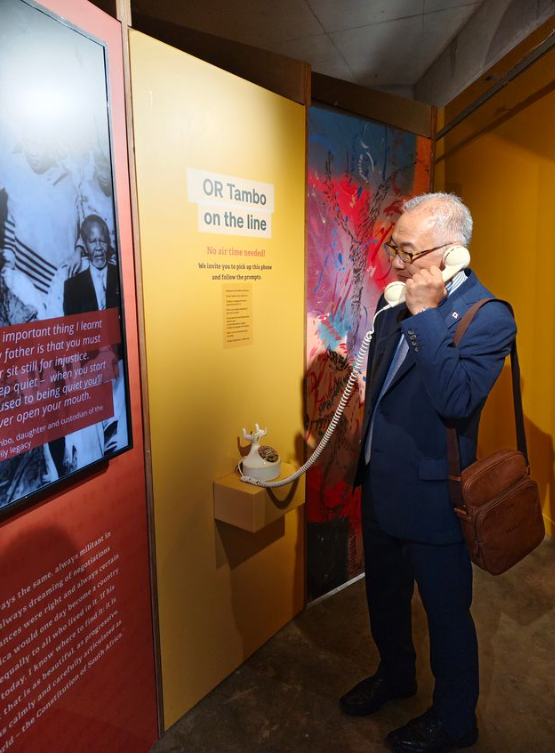
The exhibition also offers visitors an interactive experience with Tambo through a telephone installation featuring recordings of the late liberation leader discussing various aspects of the struggle.
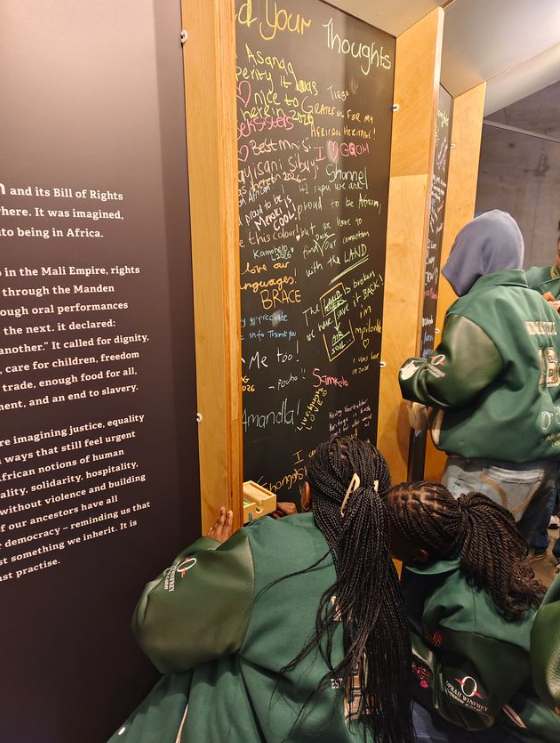
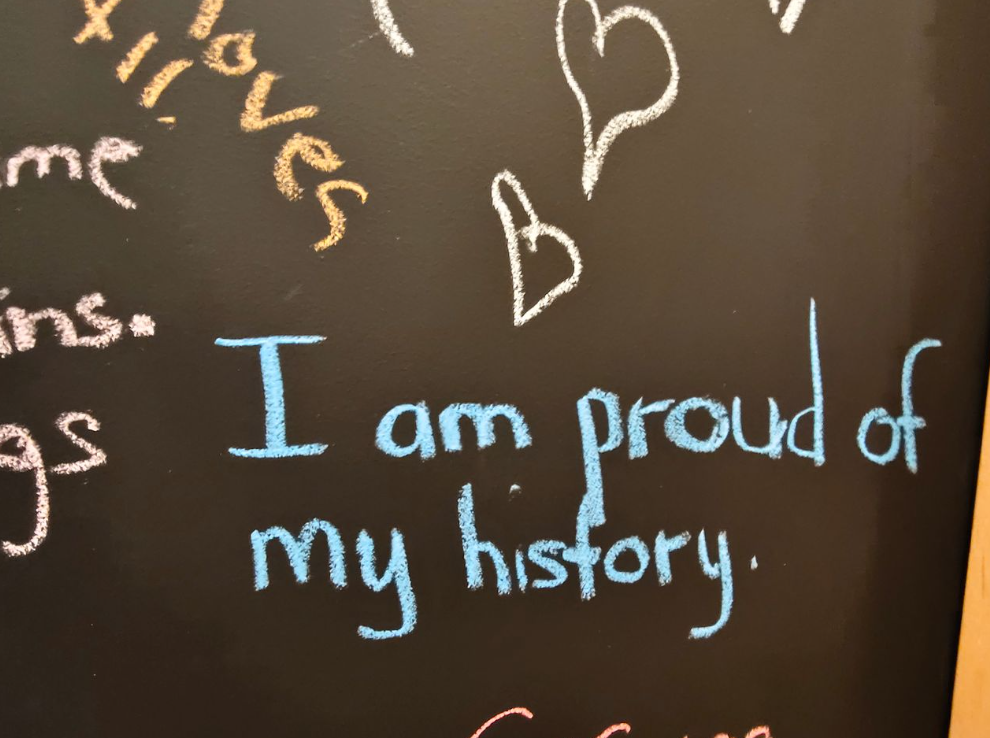
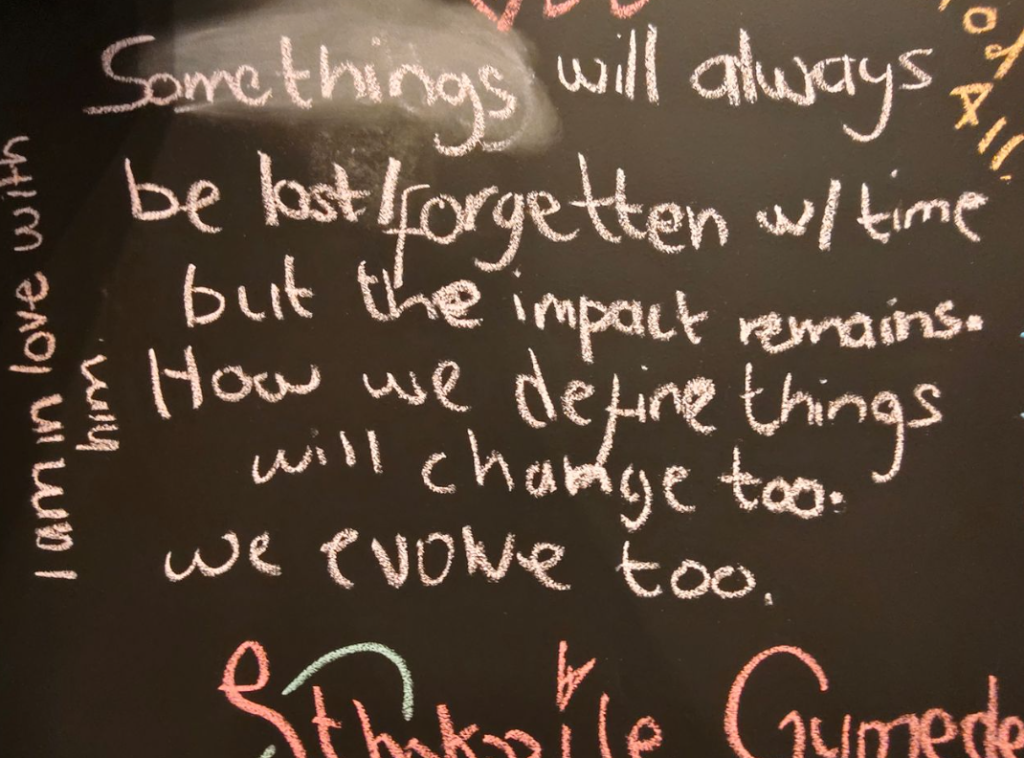
Visitors can listen to his messages and leave their own responses reflecting on what democracy and freedom mean to them.
“Someone is able to pick up a phone, and they’re able to listen to different messages by O.R. Tambo, where he talks about different things about this liberation struggle of ours,” Neer said.
“One of the things you’re able to do is, in response to him, leave a message about what democracy and freedom mean to you.”
Neer said the exhibition was a precursor to a broader collection of historical archives that the foundation plans to display at the Thabo Mbeki Presidential Centre, currently under construction in Killarney, Johannesburg.
He said the centre would extend beyond Mbeki’s personal legacy to focus on the African Renaissance and the continent’s development, documenting the contributions of people who have shaped Africa culturally, technologically and economically.






