



By Thapelo Molefe
The Electoral Commission of South Africa (IEC) has received 1,708 purported objections following the 2026 local government elections, with the commission warning against attempts to use unsubstantiated complaints to undermine confidence in the electoral process.
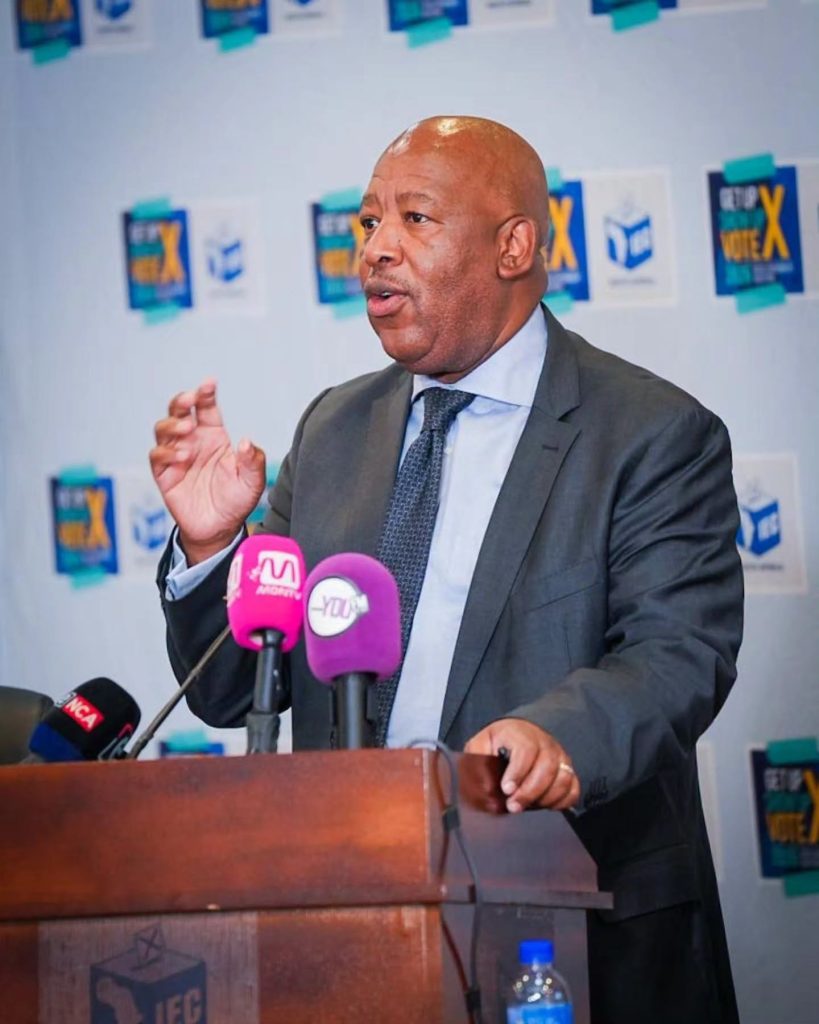
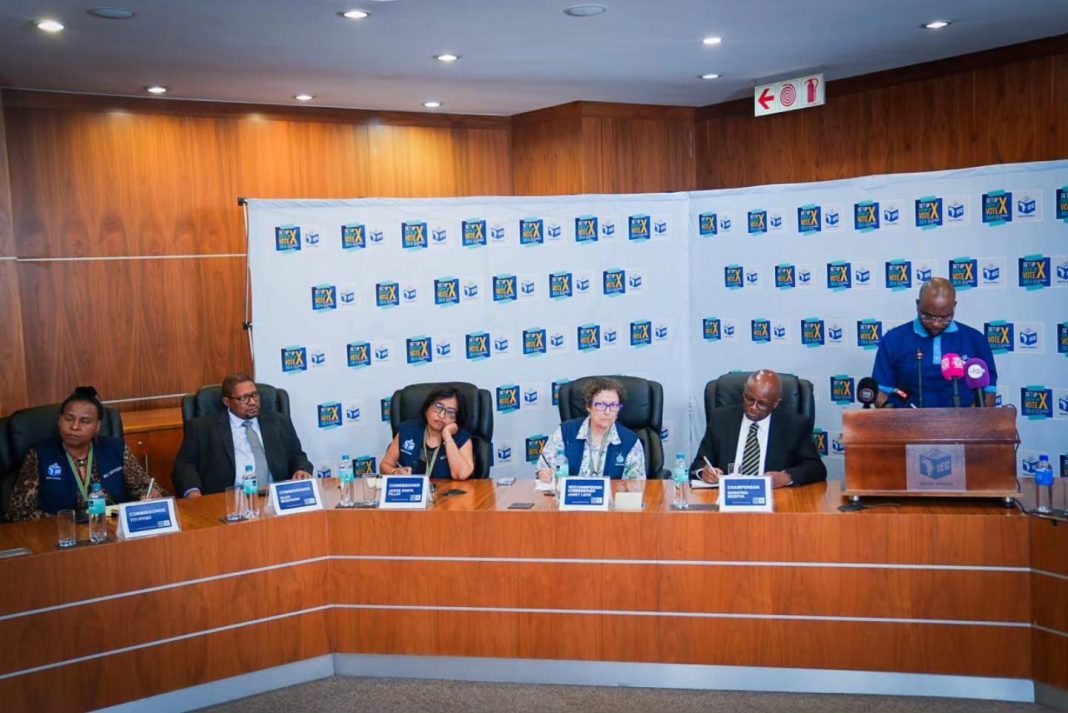
IEC chairperson Mosotho Moepya said on Friday that 433 of the submissions qualified as formal objections under Section 65 of the Local Government: Municipal Structures Act.
Of these, 252 had been finalised, with only three upheld and 249 rejected.
The commission’s consideration of the objections involved 12 recounts and seven edit windows, while investigations into the remaining matters were continuing.
The objections largely concerned alleged counting irregularities, errors in capturing results, the alleged exclusion of special votes from the total number of valid votes and unusually high numbers of spoiled ballots.
The number of objections represents a significant increase from the 218 Section 65 objections received during the 2021 local government elections.
Moepya said the commission had received numerous submissions that did not meet the legal requirements for formal objections but remained committed to considering matters that could have a material impact on election results.

He said the commission had to carefully assess the submissions rather than automatically treating every complaint as a valid objection.
“Sometimes, in an election like this, when you have a significant proportion of the contestants that will not get a seat, this can be anticipated,” he said.
“People sometimes just refuse that they have lost. And they say that IEC, find a reason why I should not lose.”
He stressed that the commission wanted both successful and unsuccessful candidates to have confidence in the outcome.
“We will certify that win. We will account for that win convincingly,” he said.
Moepya said the IEC would continue investigating outstanding objections and follow through on matters that required further attention.
He also outlined the legal requirements for a valid Section 65 objection, which include the objector’s full name and address, their interest in the matter, detailed reasons for the objection, the relief sought and supporting documents.
The objection must also be served on all other interested parties.
Meanwhile, the commission defended its results verification processes following questions about discrepancies between figures on results slips and information captured on its system.
IEC vice-chairperson Janet Love said the results system and the finalised results slips were intended to correspond, with the objection process providing an opportunity to address possible errors.
She said some discrepancies could arise when party agents left voting stations before the final results had been signed.
“Unfortunately, the notes versus what happens in the final analysis are not always the same,” Love said.
Deputy CEO for Electoral Operations Masego Sheburi also clarified reports of voters being turned away after the commission’s voter management devices indicated that their identity numbers had already been scanned.
ALSO READ: Mogotsi: Court protects witnesses’ identities but orders release of cellphone records
He said some presiding officers had used one device to check voters in queues before they reached another device where they were issued with ballot papers.
The system could therefore indicate that a person’s identity number had already been scanned, even though they had not yet been issued with a ballot.
Sheburi said the commission had been able to assist those voters to cast their ballots.
“We can distinguish between a scan and issuing of a ballot,” he said.
He added that none of the affected voters had lost their voting rights.
Moepya also confirmed that the IEC would conduct an internal review of its election management systems, including candidate lists, ballot papers, results capturing and verification.
“Absolutely. We do this election after election,” he said.
He said the commission would consult stakeholders, identify shortcomings and develop action points to improve its processes ahead of future elections.
The chairperson also addressed concerns about the 33.6% representation of women among councillors declared elected.
Women accounted for 39.7% of PR councillors but only 26.8% of ward councillors.
Moepya said the IEC could not impose gender representation requirements on political parties because it was required to administer elections in accordance with the law.
“We simply process that which we are given by political parties as candidates,” he said.
He said the issue was one that Parliament and political parties could consider.
ALSO READ: Hawks investigator admits mistake in R1.5m JMPD robbery case
The commission further reported that councillors had an average age of 47.3 years, with those under 35 accounting for just 10.8% of the total.
Meanwhile, the IEC said the final number of municipalities without an outright winner would be confirmed in the Government Gazette, following questions about figures that had changed during the results process.
The commission had initially announced 127 hung municipalities, but its online results system later reflected 139 municipalities.
Sheburi said the final number would be confirmed when the councillor lists were gazetted.






