

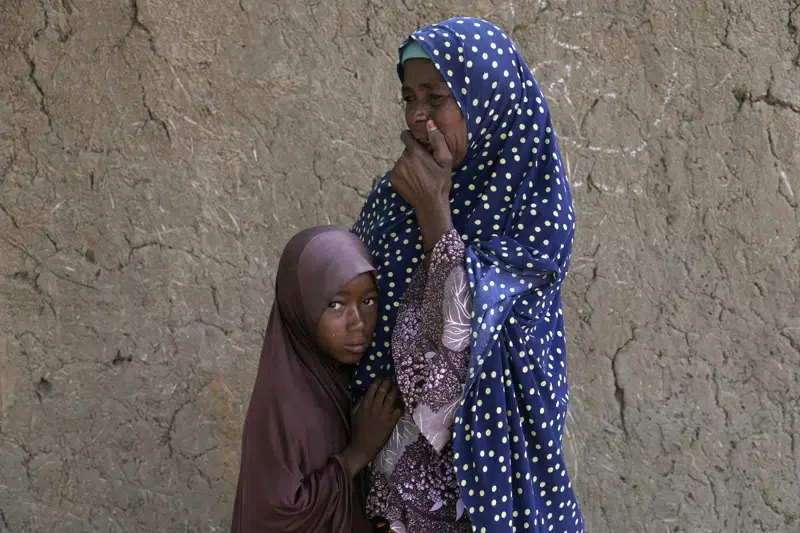


When the floodwaters reached Aisha Ali’s hut made of woven straw mats and raffia palms, she packed up what belongings she could and set off on foot with her eight youngest children.
Ali, 40, knew she and her family might never see their home again. In this remote village —in the Gashua part of Yobe state, a largely agricultural area in northeast Nigeria — poor infrastructure means annual flooding of excess water from the local river. Most villagers pay little attention to warning signs as the water rises. Dealing with floods is a way of life.
But this year, heavy rains inundated Nigeria and neighboring countries in flooding the region hadn’t seen in at least a decade, due in large part to climate change. Ali and her husband knew this time was different. The water reached their home and started rising in the hut.
Ali and the children walked down a narrow, water-logged road. Her
You’ve reached your free article limit
Subscribe to enjoy unlimited access to trusted journalism. Cancel anytime.
Subscribe nowNeed help? molokom@insidepolitic.co.za






