

Jideofor Adibe, Nasarawa State University, Keffi
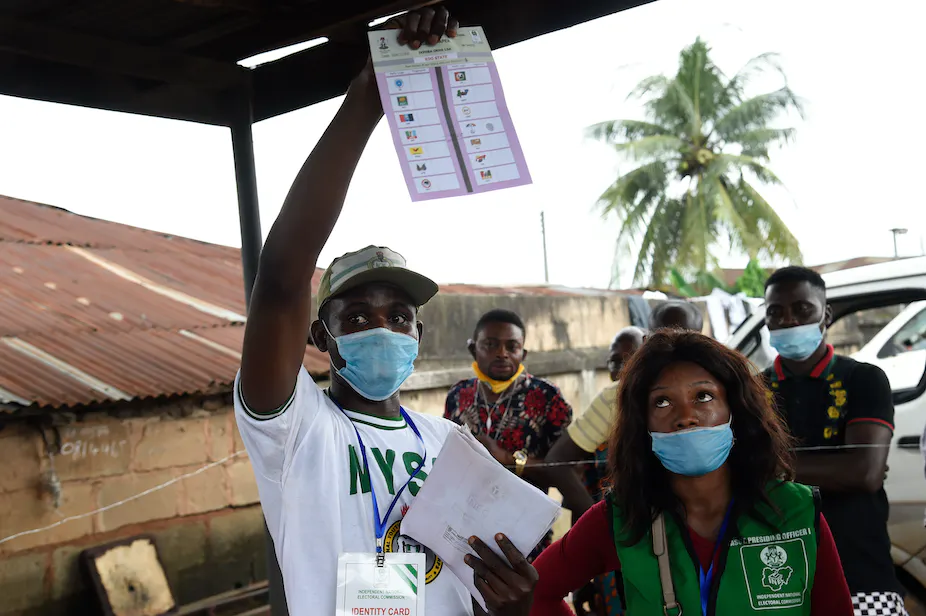
As Nigerians inch closer to the February 2023 presidential election, the seventh since the current wave of liberal democracy formally started in 1999, there are at least 10 key issues that are likely to drive and determine the outcome. Political scientist, Jideofor Adibe, explores them all.
Ethnicity and regionalism
Four of the 18 presidential candidates in the election, regarded as the front runners, come from the three dominant ethnic groups in the country: Hausa/Fulani, Yoruba and Igbo.
From the north are Atiku Abubakar, a former vice-president of the country (1999-2007) and the presidential candidate of the People’s Democratic Party; and Rabi’u Musa Kwankwaso, a former governor of Kano State and the presidential candidate of the New Nigeria People’s Party.
Bola Ahmed Tinubu, a Yoruba from the south-west, is the presidential candidate of the ruling All Progressives Congress. Peter Obi, an Igbo from the south-east and former governor of Anambra
You’ve reached your free article limit
Create a free account to unlock every article for 14 days. No card needed, and nothing is charged when the trial ends.
Start your 14-day free trialNeed help? molokom@insidepolitic.co.za