



ARIANNA LISSONI
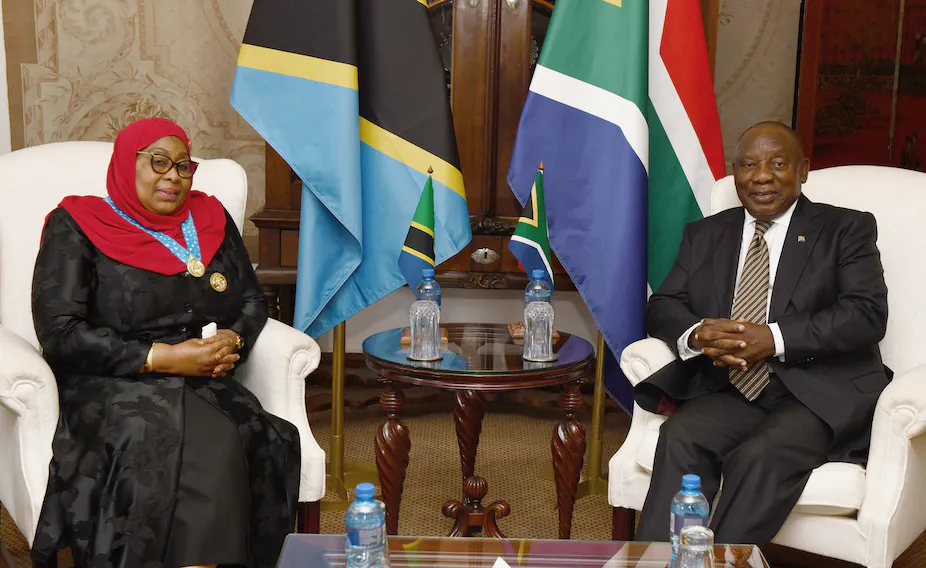
TANZANIA’S President Samia Suluhu Hassan recently paid a state visit to South Africa aimed at strengthening bilateral political and trade relations. As the South African presidency noted, ties between the two nations date back to Tanzania’s solidarity with the anti-apartheid struggle.
This history is an important reminder of the anti-colonial and pan-African bonds underpinning international solidarity with southern African liberation struggles. It’s also a reminder of the sacrifices many African countries made to realise continental freedom.
Tanganyika, as Tanzania was known before independence in 1961, was the first safe post for South Africans fleeing in the aftermath of the Sharpeville massacre on 21 March 1960, when apartheid police shot dead 69 peaceful protesters. The apartheid regime banned liberation movements shortly thereafter.
Among those who left South Africa to rally international support for the liberation struggle were then African National Congress deputy president Oliver Reginald Tambo, Communist Party and Indian Congress leader Yusuf Mohammed Dadoo, and the Pan
You’ve reached your free article limit
Subscribe to enjoy unlimited access to trusted journalism. Cancel anytime.
Subscribe nowNeed help? molokom@insidepolitic.co.za






