



David M. Witelson
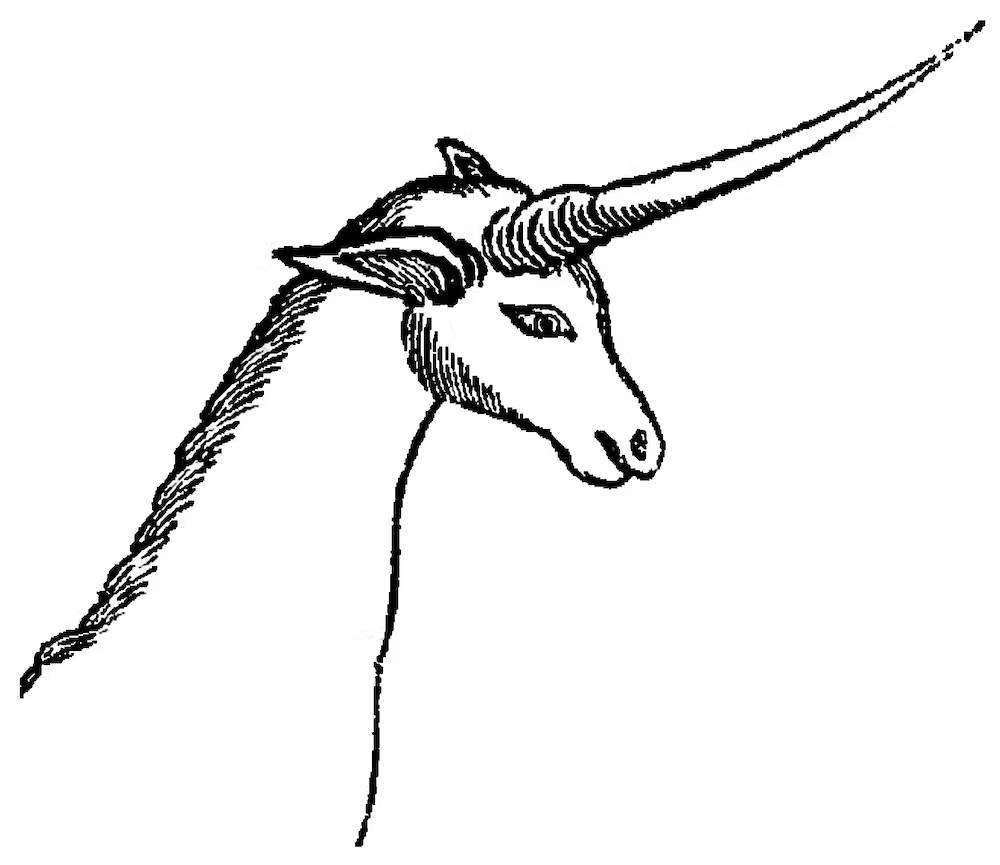
One-horned creatures are found in myths around the world. Although unicorns in different cultures have little to do with one another, they have multiple associations in European thought.
For example, the Roman natural historian Pliny the Elder wrote about unicorns in the first century AD. The unicorn features in both medieval Christian and Celtic beliefs, and is Scotland’s national animal. The unicorn’s prominence in European culture spread across the globe with colonisation.
In southern Africa, colonial European ideas encountered older indigenous beliefs about one-horned creatures. I’ve highlighted this in a recent research article about some of the region’s rock art.
Unicorns in Africa?
In the age of natural science, unicorns were gradually dismissed as mythical rather than biological creatures. But some thought that real animals with single horns might yet exist in the “unexplored wilds” of Africa.
A famous search for such evidence was carried out by
You’ve reached your free article limit
Subscribe to enjoy unlimited access to trusted journalism. Cancel anytime.
Subscribe nowNeed help? molokom@insidepolitic.co.za






