



Y AARON MORRISON
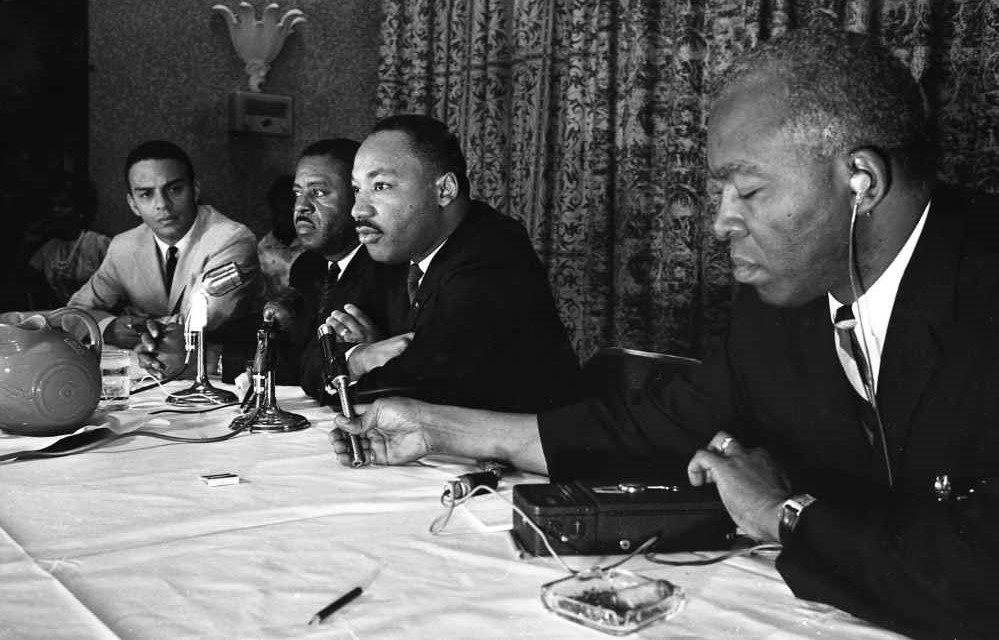
Sixty years ago, Andrew Young and his staff had just emerged from an exhausting campaign against racial segregation in Birmingham, Alabama.
But they didn’t feel no ways tired, as the Black spiritual says. The foot soldiers were on a “freedom high,” Young recalls.
“They wanted to keep on marching, they wanted to march from Birmingham to Washington,” he said.
And march they did, in the nation’s capital. Just four months later, they massed for what is still considered one of the greatest and most consequential racial justice demonstrations in U.S. history.
The nonviolent protest, which attracted as many as 250,000 to the steps of the Lincoln Memorial, helped till the ground for passage of federal civil rights and voting rights legislation in the next few years.
But in the decades that followed, the rights gains feeding the freedom high felt by Young and others came under
You’ve reached your free article limit
Subscribe to enjoy unlimited access to trusted journalism. Cancel anytime.
Subscribe nowNeed help? molokom@insidepolitic.co.za






