



Mathew Sandoval
On April 13, 1944, thousands of people clashed with police on the steps of the Art Institute of Chicago.
The melee was unrelated to U.S. participation in World War II, labor unrest or President Franklin D. Roosevelt’s controversial move to seize control of local Chicago industries.
Rather, a massive, impatient art crowd overwhelmed the museum’s capacity, causing mayhem. That’s how desperately people wanted to see the U.S. premiere of an exhibition titled “Posada: Printmaker to the Mexican People.”
The exhibition featured the prints of José Guadalupe Posada, a Mexican engraver who had died in 1913. On display were his calaveras, the satirical skull and skeleton illustrations he made for Day of the Dead, which he printed on cheap, single-sheet newspapers known as broadsides.
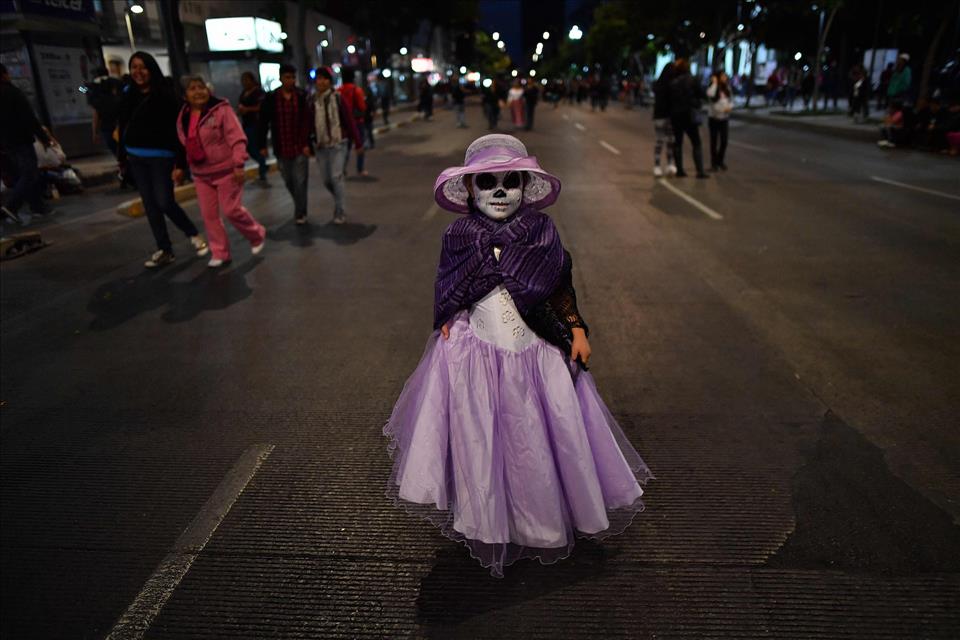
One specific calavera, or skull, attracted more attention than the others.
Known as La Catrina, she was a garish skeleton with a wide, toothy grin
You’ve reached your free article limit
Subscribe to enjoy unlimited access to trusted journalism. Cancel anytime.
Subscribe nowNeed help? molokom@insidepolitic.co.za






