
By Thapelo Molefe
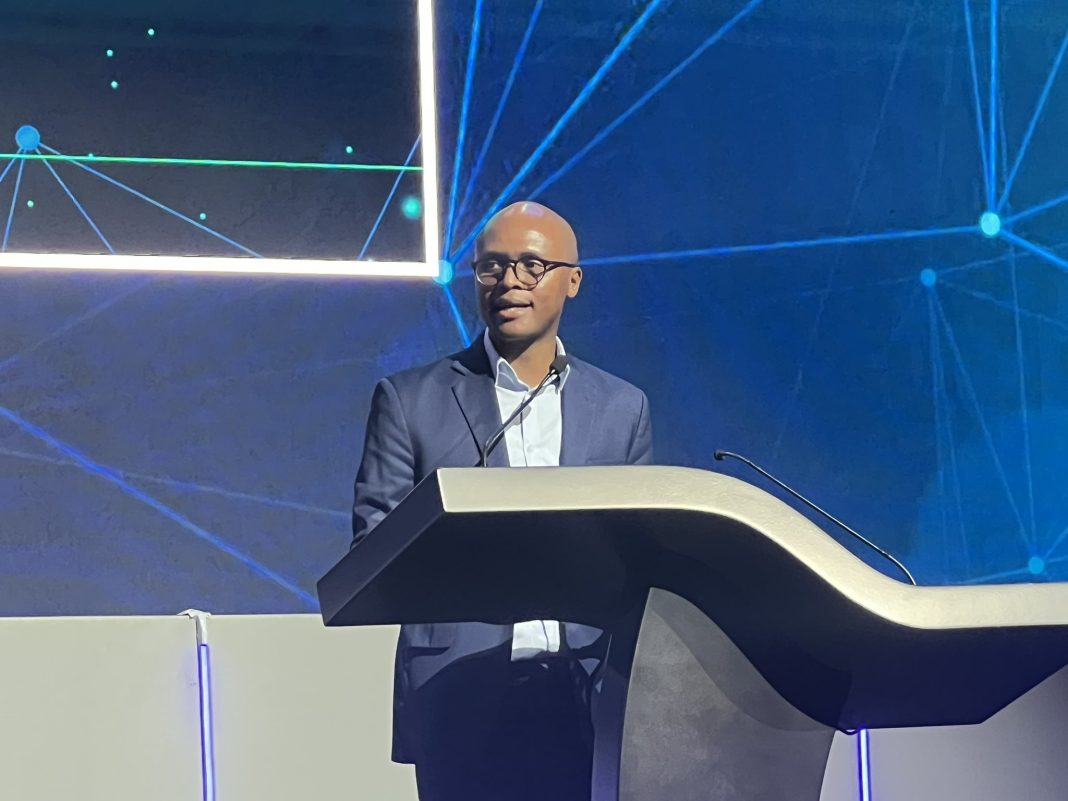
Communications and Digital Technologies Minister Solly Malatsi has warned that South Africa’s ability to deliver basic services depends on accelerating digital transformation.
Opening GovTech 2025 in eThekwini, KwaZulu-Natal, on Monday, Malatsi said fragmented systems and costly connectivity are undermining the government’s capacity to serve citizens efficiently and transparently.
Malatsi told delegates that fragmented systems, high connectivity costs and lack of data inter-operability continue to frustrate citizens who rely on state services.
“Our digital systems are still fragmented, and our data is not interoperable, leading to fragmented implementation of digital services and tools,” he said.
“Combined, these challenges are obstacles not only to efficiency, but also impede trust, transparency and effective service delivery.”
He painted a picture of a digital future where citizens could seamlessly access government services online.
Learners in rural areas would download study materials without worrying about the cost of data, and entrepreneurs could engage departments without travelling long distances.
“In this South Africa, each and every citizen trusts that their government services are transparent, fair, and efficient,” Malatsi said.
The minister argued that digital government is central to the Government of National Unity’s priorities.
The Medium-Term Development Plan commits to three goals: driving inclusive growth and job creation, reducing poverty and the high cost of living, and building a capable, ethical and developmental state.
Malatsi said digital systems can cut red tape, streamline processes and reduce duplication, making service delivery more affordable and efficient for both government and citizens.
“Better data sharing between departments reduces wastage, saves taxpayers’ money and strengthens accountability,” he explained.
He also linked digitalisation to anti-corruption efforts, noting that traceable systems and audit trails could limit opportunities for state capture and mismanagement.
“By creating audit trails and reducing opportunities for plundering of state resources, we can assure citizens that we are acting in their best interests,” he said.
The minister pointed to the Digital Transformation Roadmap, launched earlier this year, as government’s blueprint for aligning digital investments, eliminating fragmentation and putting citizens at the centre of service delivery.
He said the State Information Technology Agency (SITA) will be key to modernising ICT infrastructure and enforcing interoperability across departments.
“Cybersecurity, data governance, digital identity, and interoperability are not optional extras; they are the bedrock of a capable digital state,” Malatsi said.
He concluded by urging collaboration between government, business, academia and civil society.
“A smart government is not a dream of the future. It is a necessity of the present. And it is within our reach, if we work together with urgency and focus,” he said.
GovTech 2025, hosted by SITA, brings together stakeholders to explore how digital tools and innovation can be harnessed to improve governance and service delivery.
INSIDE POLITICS





