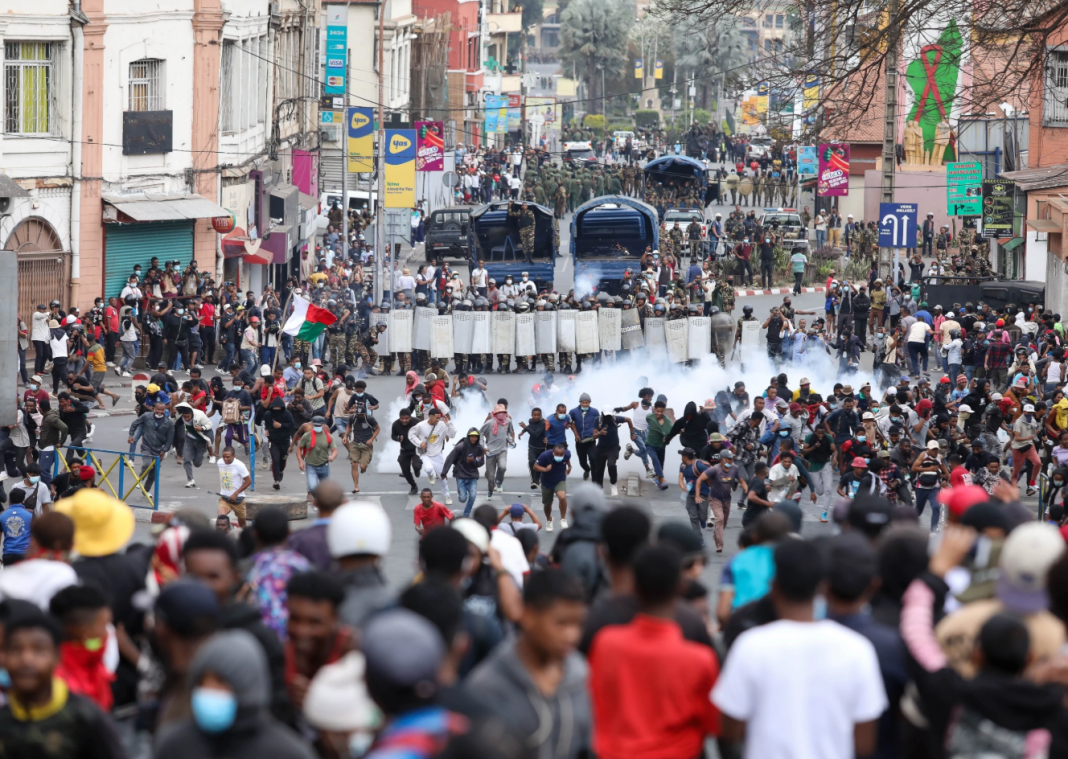


For Donah Falia and the other young people whose weeks of protests paved the way for Madagascar’s military coup last week, the change at the top has brought no immediate relief to their lives.
The 20-year-old accounting student still has to wait in line for hours to get water from a tank in his neighborhood on the outskirts of the capital, Antananarivo, because the taps at home generally only work at night, and sometimes not even then. The job market is just as dry.
“For us, personally, there is no answer here yet. I still don’t see any hope for us,” Falia told The Associated Press the day after Col. Michael Randrianirina was sworn in as president.
Randrianirina’s ousting of the democratically elected president, Andry Rajoelina, and decision to install himself as the new head of state followed a playbook that Madagascar’s roughly 30 million people have become all too
You’ve reached your free article limit
Subscribe to enjoy unlimited access to trusted journalism. Cancel anytime.
Subscribe nowNeed help? molokom@insidepolitic.co.za