
- Advertisement -

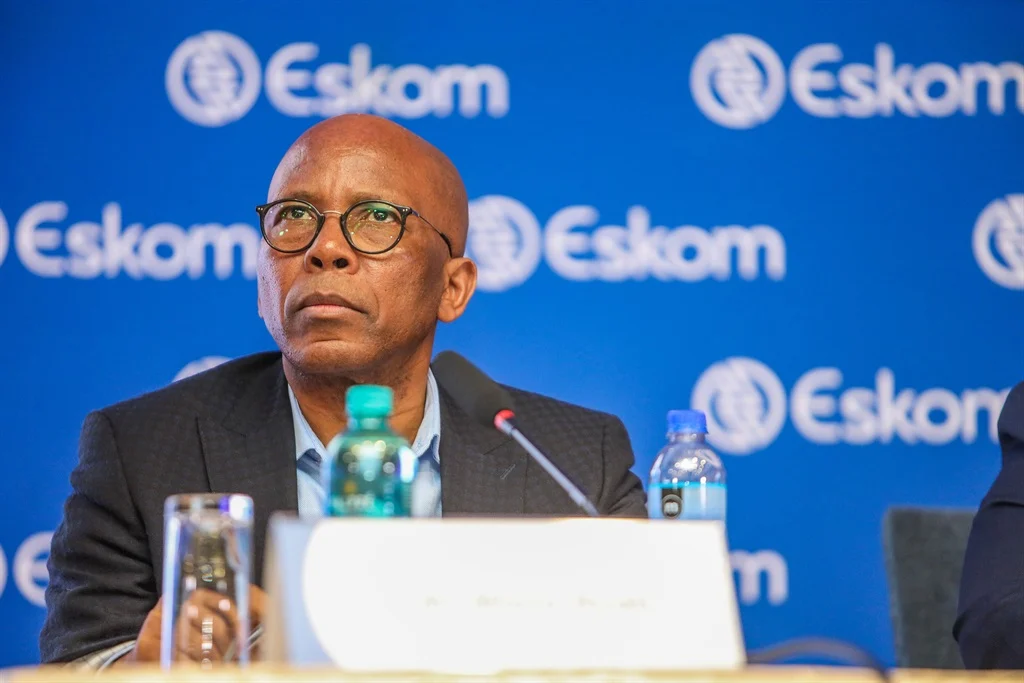
World grid revamp may raise SA costs, Eskom chair says

- Advertisement -

Must read

Global demand for transmission lines will affect the affordability of South Africa’s plan for a 440 billion-rand ($25.4 billion) national power-grid upgrade, according to the chair of the state-owned utility.

Eskom expects to install 14 000 kilometres of lines over the next decade to connect more renewable-energy plants at a time when the utility is looking to expand a clean-power unit and cut costs overall.

Similar grid expansions across the globe to add more wind and solar projects could boost expenses, according to Eskom chair Mteto Nyati.

“Almost everybody globally is building transmission lines” and that comes down to “a demand-and-supply equation,” he said Friday in an interview on the sidelines of the Group of 20 summit in Johannesburg.

Eskom needs to install an unprecedented amount of lines and transformers, just as it stabilised its power supply following years of chronic blackouts that curbed economic growth.

Grid investment worldwide is behind schedule and will need to more than double to $750 billion annually by 2030, according to International Energy Agency estimates. Prices of materials needed for such equipment, including copper and aluminium, have also climbed.

The utility is “worried” over the amount of the build it will be able to afford, Nyati said. “Hence, we are thinking about local, doing some of the stuff locally, using this as an opportunity to re-industrialise South Africa.”

The continent’s most industrialised nation started up the so-called Independent Transmission Projects program in December to bring in private partners. It has, in recent months, attracted interest from international developers, including a company owned by Indian billionaire Gautam Adani and Chinese firms.

Eskom has — amid a number of initiatives to start a clean-energy unit and finish unbundling the business — set a target of reducing R112 billion of costs over the next five years, according to Nyati.

The utility’s relatively recent hires, including Rivoningo Mnisi to head renewables and Len de Villiers as chief technology and information officer, were made to bring skills in from the outside, he said.

“It was a deliberate effort to make sure that we bring people from the private sector who understand that we need to create a culture that puts customers at the centre.”

BLOOMBERG

More articles

LEAVE A REPLY

Please enter your comment!
Please enter your name here

AVBOB STEP 12

Inside Education Quarterly Print Edition

Inside Metros G20 COJ Edition

JOZI MY JOZI

QCTO

Latest article



