
19.2 C
Johannesburg
- Advertisement -

Festive season road deaths edge upward as authorities brace for 2025/26

- Advertisement -

Must read

By Johnathan Paoli

South Africa’s roads remain perilous during the festive season, with official data showing that fatalities have hovered within a narrow but deadly range over the past three years, with a slight uptick recorded in the most recent reporting period.

According to the Road Traffic Management Corporation’s (RTMC) consolidated festive season reports, a total of 1,560 people were killed on South African roads during the 2022/23 festive season, followed by a marginal decline to 1,552 fatalities in 2023/24.

That improvement proved short-lived.

During the 2024/25 festive period, covering 1 December 2024 to 11 January 2025, 1,589 people died in 1,286 fatal crashes, marking a 2.38% increase from the previous season and reversing the earlier stagnation.

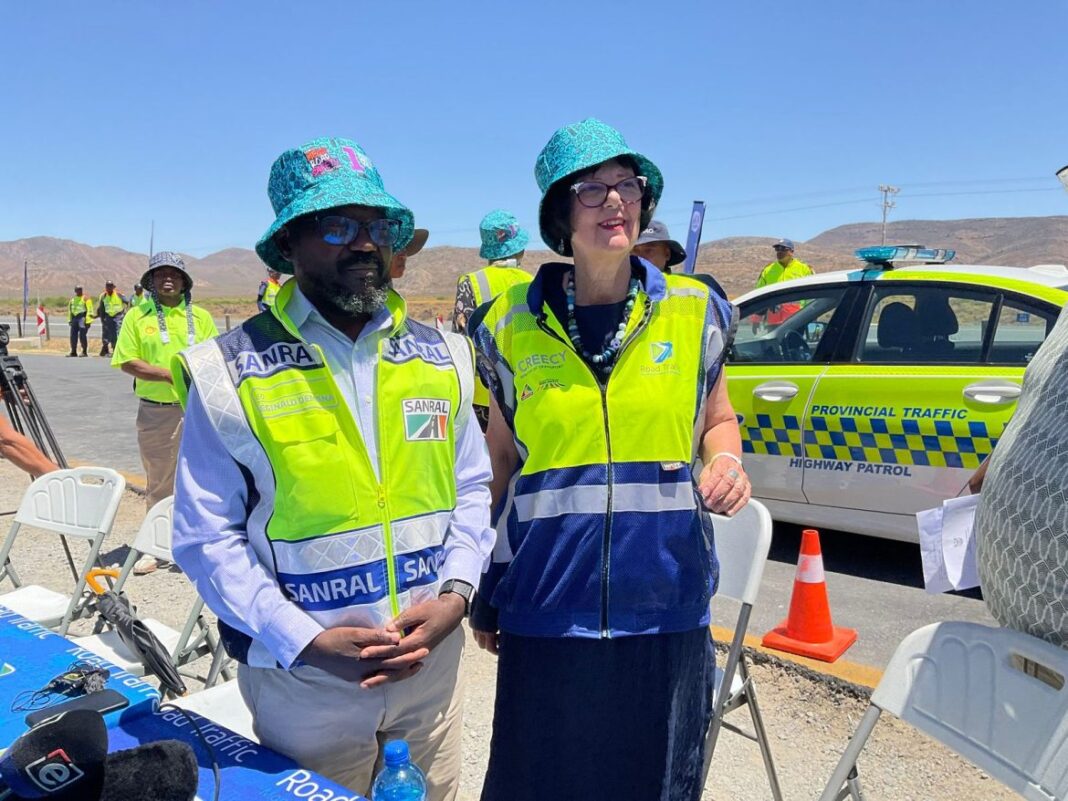
Transport Minister Barbara Creecy launched the 2025/26 festive-season road safety campaign in early December, revealing that more than 9,400 road fatalities have been recorded nationally this year, despite a year-on-year reduction of about 700 deaths.

She described the decrease as the first reduction in five years, but warned the peak holiday period remained “particularly dangerous” as traffic volumes surge.

“Since the start of the festive season on December 1, in the first nine days, preliminary figures are recorded at 213 fatal crashes resulting in 249 fatalities. This accounts for a 30% decline for both fatal crashes and fatalities compared to the same period in 2024,” Creecy said during a road-safety briefing on the N1 Gauteng-Limpopo corridor.

The RTMC’s 46-day festive reporting window consistently shows a concentration of deaths over weekends and during evening hours.

Across all three seasons, Fridays to Sundays accounted for the majority of fatal crashes, with late afternoon and evening, roughly between 16:00 and 23:00, emerging as the most dangerous time to travel.

In 2024/25 alone, 41% of fatal crashes occurred on Saturdays and Sundays, underscoring the lethal combination of high traffic volumes, fatigue, alcohol use and reduced visibility.

Pedestrians remain the single most vulnerable group on South Africa’s roads.

In the 2024/25 festive season, pedestrians accounted for 41.9% of all fatalities, virtually unchanged from 41.2% in 2023/24.

Passengers made up about a third of deaths, while drivers accounted for roughly a quarter, a distribution that has remained remarkably consistent over the three-year period.

Adults aged 25 to 44 years were most affected, comprising just over half of all fatalities in 2024/25, while men accounted for approximately three-quarters of those killed.

Investigations continue to point overwhelmingly to human behaviour as the primary cause of festive-season crashes.

The RTMC attributes more than 80% of fatal crashes in 2024/25 to human factors, including jaywalking, excessive speed, reckless overtaking and hit-and-run incidents.

Vehicle-related issues such as tyre failures, along with environmental factors like poor lighting and slippery road surfaces, remain secondary but persistent contributors.

Provincial patterns fluctuate year to year, but certain regions remain recurring hotspots.

In the most recent festive season, KwaZulu-Natal, Gauteng, Eastern Cape and Limpopo together accounted for roughly 63% of all road deaths, with KwaZulu-Natal recording the highest share at nearly 20%.

Gauteng, which had contributed around a fifth of fatalities in 2023/24, saw its share drop to about 15.5% in 2024/25, showing how enforcement intensity, traffic flows and local conditions can sharply alter provincial outcomes.

The Department of Transport’s “It Starts with Me” campaign revolves around individual responsibility.

The campaign will see 800 national traffic police officers deployed to high-risk provinces including Gauteng, KwaZulu-Natal, Limpopo and the Eastern Cape, alongside 24-hour patrols, intensified weekend operations and roadblocks on critical routes such as the N1, N2, N3, N4, N17, and secondary roads like the Moloto Road and the R61.

Roadworthiness and load management checks are planned at major weighbridges, while civil-society partners such as taxi union Santaco have committed to tackling driver fatigue by encouraging the use of relief drivers and regular rest breaks on long-distance routes.

INSIDE POLITICS

More articles

LEAVE A REPLY

Please enter your comment!
Please enter your name here

Inside Education Quarterly Print Edition

Inside Metros G20 COJ Edition

JOZI MY JOZI

QCTO

Latest article



