
By Johnathan Paoli
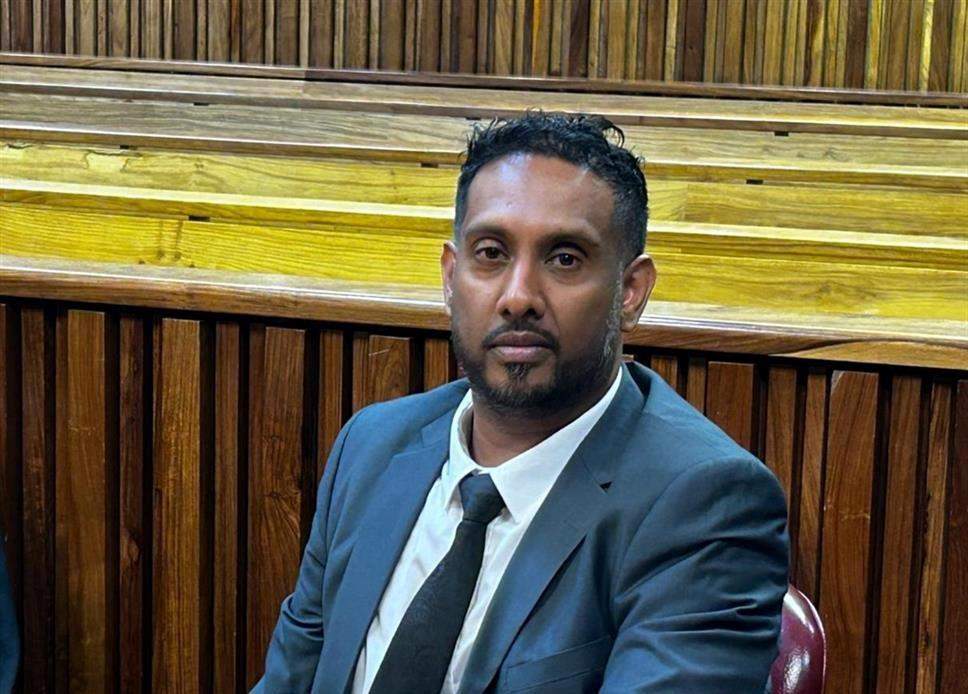
Donovan Moodley, the man convicted of the 2004 abduction and murder of university student Leigh Matthews, will remain behind bars for at least another two years after the Department of Correctional Services (DCS) rejected his latest bid for parole.
The decision, confirmed this week, means Moodley’s case will only be reconsidered after he completes further correctional interventions and a new parole profile is compiled within a prescribed timeframe.
According to the DCS, the final determination was made by Minister of Correctional Services Pieter Groenewald, acting on a recommendation from the National Council for Correctional Services (NCCS).
While there had been indications earlier this year that the Correctional Supervision and Parole Board (CSPB) was inclined to favour Moodley’s release, the NCCS and the Minister ultimately declined to grant parole.
Moodley is serving a life sentence for the kidnapping and killing of Matthews, who was 21 years old at the time of her death. The case shocked the country two decades ago and has remained a reference point in public debates around parole, victims’ rights and life sentences in South Africa.
Correctional Services spokesperson Singabakho Nxumalo said the refusal followed a comprehensive review of reports and submissions placed before the NCCS.
“After careful consideration of all relevant reports and submissions, the National Council for Correctional Services (NCCS) recommended to the Minister of Correctional Services, Dr Pieter Groenewald, that parole placement not be granted at this stage, and that the offender Donovan Stanley Moodley be afforded a further parole profile following additional interventions. The Minister concurred with this recommendation,” Nxumalo said.
The decision effectively overturns a recommendation made by the parole board in September, which had proposed that Moodley be considered for release on parole after nearly 20 years in prison.
DCS officials confirmed that Moodley’s parole file will now be returned to the relevant correctional management areas. The documentation will include explicit directives outlining the interventions he must still complete, as well as the minimum period that must pass before a new parole profile can be submitted.
Moodley has made multiple attempts over the past two decades to secure early release, none of which have been successful. Under South African law, offenders serving life sentences may become eligible to be considered for parole after serving a minimum number of years, but eligibility does not guarantee release.
The department emphasised that parole decisions take into account a range of factors, including the seriousness of the offence, the offender’s conduct while incarcerated, psychological assessments, victim impact considerations and public safety concerns.
Leigh Matthews was abducted from her university campus in 2004. Her disappearance triggered an intensive search and widespread public concern. She was later found murdered, and Moodley was arrested and charged in connection with the crime.
In 2005, he pleaded guilty and was sentenced to life imprisonment. Since then, the case has periodically returned to the public spotlight whenever parole hearings have been convened.
In 2024 and again in 2025, Moodley sought release, arguing that he met the statutory requirements to be considered for parole. This led to hearings at Leeuwkop prison, where he is currently incarcerated.
Throughout the years, the Matthews family has consistently opposed any move to grant Moodley parole.
Following the parole board’s recommendation for his release in September, Leigh Matthews’ father, Rob Matthews, publicly criticised the process and accused the board of overlooking crucial information.
“They only had a profile for Mr Moodley for a year and a half for the time he was at Leeuwkop prison. They didn’t have his profile for a period of some 18 and a half years, where there is a whole history of misdemeanour, threats and allegations,” Matthews said at the time.
He further alleged that Moodley had, over the years, threatened the family and made claims that they had organised hits on him in prison — assertions that deepened the family’s opposition to his release.
While the parole board’s recommendation sparked renewed debate, the final authority rested with the NCCS and the Minister.
Their decision now brings temporary closure to the matter, ensuring that Moodley will remain incarcerated while further interventions are undertaken and reviewed ahead of any future parole consideration.
INSIDE POLITICS



