



By Saana Hansen
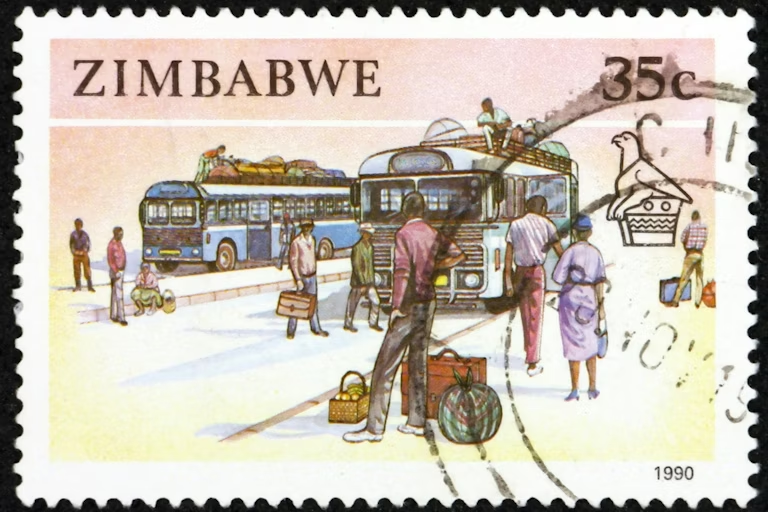
Each December, long-distance buses, minibus taxis and private cars stream northwards from South Africa as Bulawayo, Zimbabwe’s second biggest city, prepares for its annual ritual: the seasonal homecoming of “injiva” — migrants returning for Christmas.
The old industrial city, where businesses have declined and shops and restaurants struggle to survive, fills temporarily with cars with South African number plates and people dressed in trendy clothes signalling urban South African lifestyles.
Trailers are loaded with remittances known as “Christmas boxes” containing cooking oil, soap and other groceries. A jumping castle is erected in the park, and popular music merges with laughter in the restaurants.
These are historically rooted signs of achievement and success earned abroad. They are a refashioned form of the festive season of colonial-era injivas: men from the Matabeleland region of Zimbabwe who worked in South African mines and farms, returning home typically once a year
You’ve reached your free article limit
Subscribe to enjoy unlimited access to trusted journalism. Cancel anytime.
Subscribe nowNeed help? molokom@insidepolitic.co.za






