

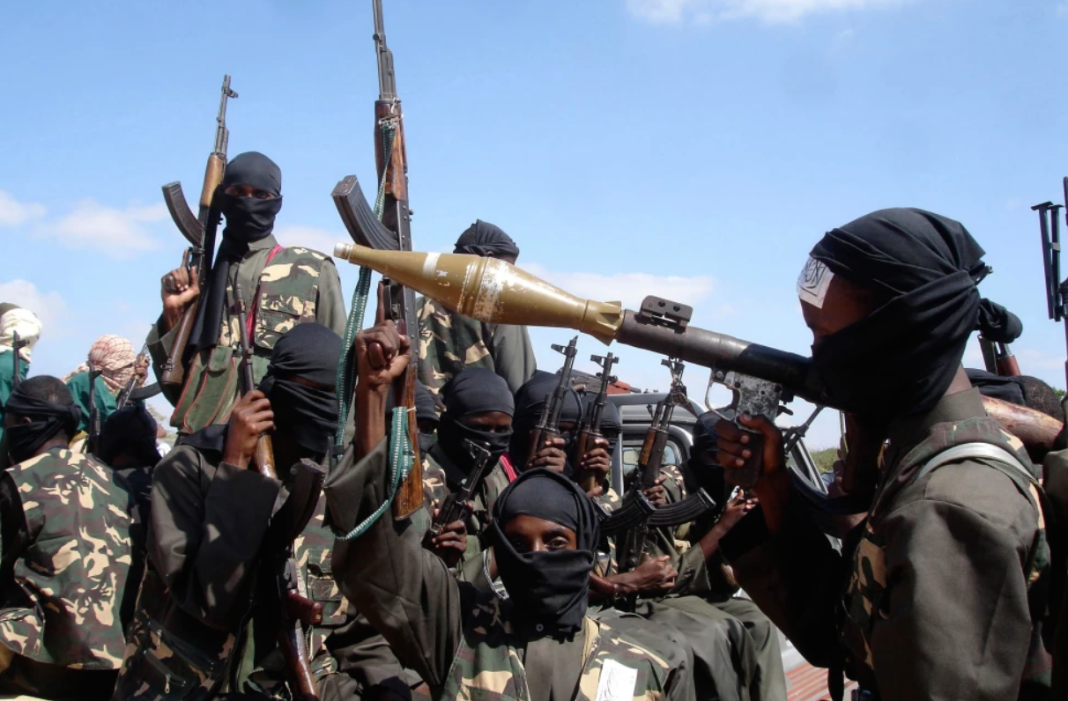


U.S.-backed airstrikes and recently expanded ground operations have shifted momentum in Somalia ‘s long-running war against al-Qaida-linked al-Shabab militant group, the government says, touting successes in the fight such as efforts to reclaim territory from the extremists and the targeting of the group’s leadership and bomb-making network.
The turn comes at a pivotal moment: African Union peacekeeping forces are gradually drawing down and Somalia is assuming greater responsibility for its own security, nearly two decades after al-Shabab emerged as a dominant insurgent force.
Here is a look at what has changed and what remains uncertain in the conflict.
How Somalia got here
Al-Shabab emerged in the mid-2000s as the armed wing of the now outlawed Islamic Courts Union coalition before aligning itself with al-Qaida. At its peak, it controlled much of southern and central Somalia, including parts of Mogadishu, the country’s capital.
African Union troops pushed al-Shabab out of Mogadishu
You’ve reached your free article limit
Subscribe to enjoy unlimited access to trusted journalism. Cancel anytime.
Subscribe nowNeed help? molokom@insidepolitic.co.za






