
INSIDE POLITICS TEAM|
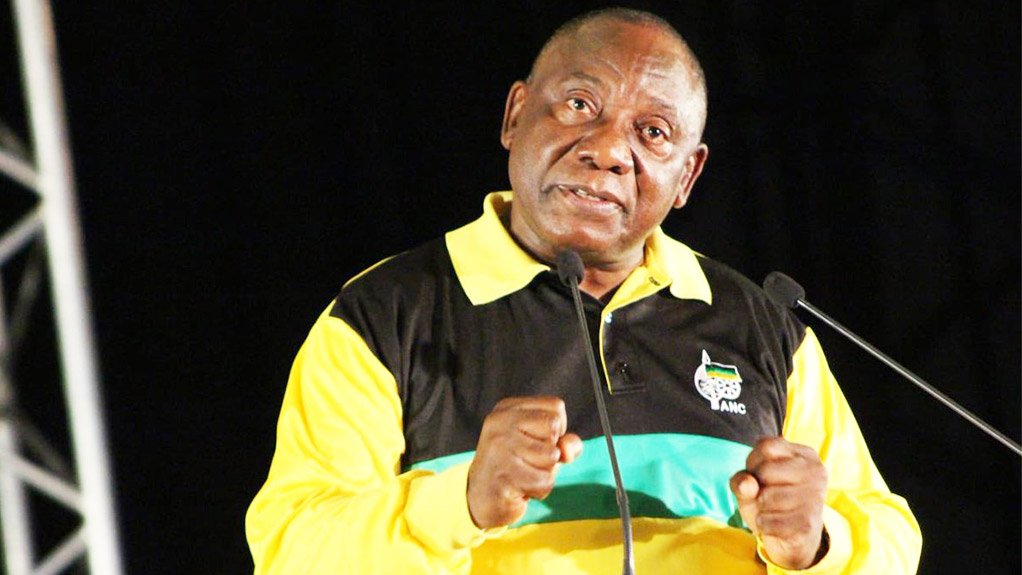
THE emergence of the ‘Taliban’ faction at the 9th ANC KwaZulu-Natal provincial conference in Durban this weekend should serve as a wake-up call for President Cyril Ramaphosa and his supporters within the governing party.
While Ramaphosa finally managed to address delegates at the conference, he was clearly unwelcome after certain members demanded change and broke out in songs about the ill-treatment of President Jacob Zuma.
Delegates aligned to the ‘Taliban’ faction also made it clear that they would prefer someone different to lead the ANC after the elective conference in December.
Outside the Olive Convention Centre in Durban, a small group of Zuma supporters openly called for the removal of Ramaphosa.
ANC veteran Carl Niehaus, who was among the small group of protesters, said they were calling on the national leaders to expel Ramaphosa from the party following the Phala Phala game farm robbery.
Ramaphosa is accused of bribing burglars to keep quiet about a February 2020 heist at his game farmhouse, where it is alleged $4m in cash was stolen.
“This is truly a watershed weekend,” said Niehaus on Sunday following the emergence of the so-called ‘Taliban’ faction, led by newly elected chairperson, Siboniso Duma.
According to analysts, the next few days will see rapid changes in the party ahead of the policy conference, five months before the party’s crucial elective conference in December.
As part of efforts to undermine Ramaphosa’s leadership, Duma’s faction has vowed to challenge the new step aside rules at the upcoming policy conference.
This after the KZN provincial conference adopted a position that step aside must not only be reviewed, but must be scrapped entirely.
Newly elected provincial secretary, Bheki Mtolo, said they will take the step aside issue to the policy conference next week.
If the ‘Taliban’ faction succeeds, the decision would invalidate rulings made against several leaders who have stepped aside and allow corruption-accused leaders to run for elections, including at the December conference.
Last month, the ANC ruled that leaders charged with serious crimes cannot stand for any position in the party until they have concluded their court processes.
The decision was taken by the party’s national executive committee (NEC).
In a statement, the ANC said it was concerned that people who had been charged with serious crimes had stood for positions, and this had caused confusion in the society.
Clearly, the step aside rule has divided the party, with several key regions and certain provinces, including KZN, Gauteng, Limpopo and Mpumalanga, supporting calls to scrap it once and for all.
The rule is widely seen by many as an attempt to marginalise some leaders in the party, especially eThekwini ANC leader Zandile Gumede, Mpumalanga provincial treasurer Mandla Msibi, suspended ANC Secretary General Ace Magashule, former Eastern Cape Health MEC Zandisile Qupe and corruption-accused former Limpopo treasurer Danny Msiza.
Most of these leaders are seen as part of the radical economic transformation (RET) faction of the ANC, the majority of whom oppose Ramaphosa’s bid for a second term.
In Gauteng, Ekurhuleni regional leader Mzwandile Masina said while they supported the party’s resolution that members accused of corruption step aside, the rule should not target specific members.
“All what I’m advocating as a person is that we must never have resolutions about individuals. We must have a resolution about the entire organisation,” he was quoted as saying recently.
Ramaphosa is a shrewd businessman and a strategist of note, but analysts says after the KZN conference, he is at his weakest and could lose control of the party in the next coming months.
KwaZulu-Natal, a stronghold of Zuma, is the biggest province in membership and electoral support for the ANC with more than 240,000 members.
According to analysts, the emergence of the ‘Taliban’ faction could open up space for Ramaphosa’s challengers at the elective conference in December.
If this happens, acting General Secretary Paul Mashatile and former health minister Zweli Mkhize could possibly contest Ramaphosa to lead the party.
This could be the case because patronage, rather than ideology, was the key driver of internal politics inside the ANC, they say.
The December conference will be yet another opportunity to access state resources for the benefit of particular interest groups irrespective of their ideological stances.
Analysts further said at this stage, party unity was “very unlikely” as each side appears to be inflexible, disinclined toward compromise.
INSIDE POLITICS





