- Advertisement -spot_img

Cameron says military-police deployment lacks clarity, coordination

- Advertisement -spot_img

Must read

Simon Nare

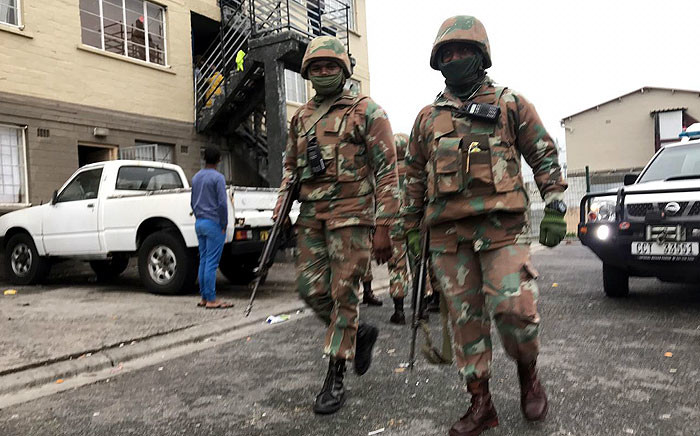
Police portfolio committee chairperson Ian Cameron said key questions remain unanswered over the framework, command structures and joint training governing the deployment of soldiers to support police, and that poor coordination risks undermining the operation.

Speaking at Parliament’s Peace and Security Cluster media briefing on Thursday, Cameron said the deployment of the South African National Defence Force (SANDF) could provide a “necessary force multiplier and visible presence” in the short to medium term, but it was not a long-term solution to violent crime.

ALSO READ: Musa Khawula, celebrity blogger, or a target, silenced?

“There is a real risk that it becomes a temporary measure, a plaster on a wound that requires surgery,” he said.

President Cyril Ramaphosa announced in his February State of the Nation Address that the SANDF would support police in the Western Cape and Gauteng against gang violence and illegal mining. That has since been expanded to other provinces, including the Eastern Cape.  

Cameron said the operation had already exposed weaknesses in coordination between police and soldiers.

“There are also concerns regarding mandate differences and training. I was informed this morning of tensions already emerging between soldiers and police, including issues around seized equipment from illegal mining operations and discrepancies in reporting. This raises serious questions about command and control structures in these operations,” he said.

He said there was still little clarity from operational members on the ground about how cooperation between the police and military would function in practice, although he had been told joint training might begin soon.

ALSO READ: Dozens of boys and young men are dying in South Africa’s traditional circumcision rites

He also said the pre-deployment phase appeared poorly coordinated and that some operations had not reflected the precision required for such an intervention.

Cameron said Parliament had been informed too late. The deployment was announced on 12 February, but Parliament was only formally notified on 13 March, which he said created an oversight gap and weakened constitutional accountability.

“Although the required letter has now been tabled, key questions remain unanswered. These include the operational framework guiding the deployment, command and control structures, accountability mechanisms, measures of success and the status of joint training,” he said.

He said there had also been instances where soldiers conducting operations had to wait extended periods for police support, which he said was unacceptable in operations meant to be jointly executed.

But Cameron also said the deployment could still make an impact if properly structured.

“If each entity operates within its mandate, and if coordination is properly structured, combining specialised SAPS units, jointly trained soldiers, intelligence-driven operations and prosecution-led strategies, then it is possible to disrupt criminal networks, remove illegal firearms and drugs, and target key figures in organised crime,” he said.

“However, this requires disciplined coordination, which is currently lacking.

INSIDE POLITICS

More articles

LEAVE A REPLY

Please enter your comment!
Please enter your name here

CATHSSETTA

spot_img

AVBOB STEP 12

spot_img

Inside Education E-Edition

spot_img

Inside Metros G20 COJ Edition

spot_img

JOZI MY JOZI

spot_img

QCTO

spot_img

Latest article