
- Advertisement -spot_img

G7 backs $518m Africa Ebola plan as outbreak spreads in DRC, Uganda

- Advertisement -spot_img

Must read

By Lebone Rodah Mosima

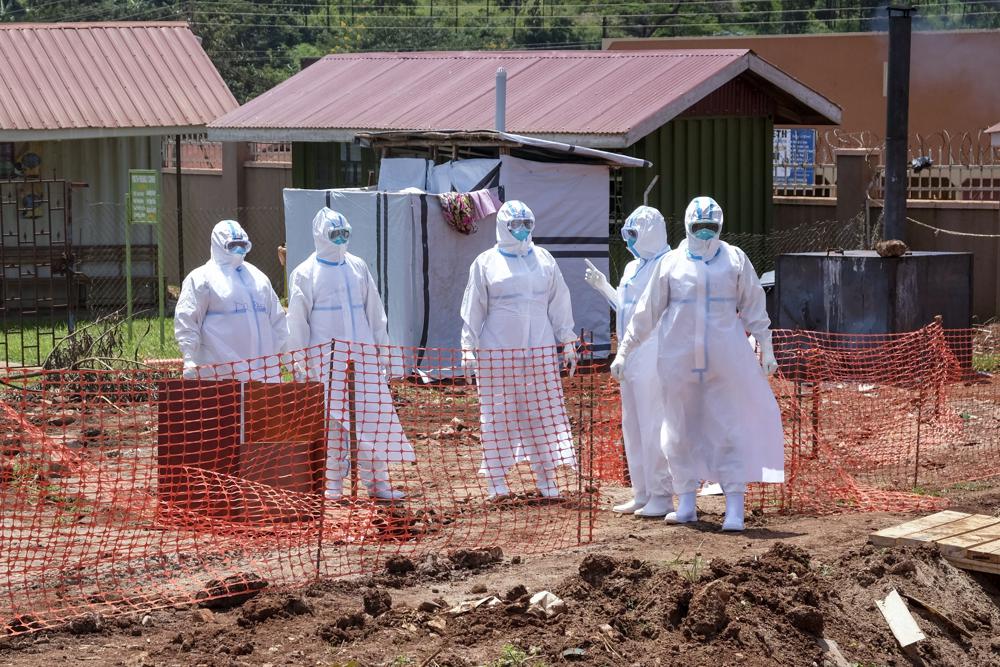
G7 leaders have called for a coordinated international response to the Bundibugyo Ebola outbreak in the Democratic Republic of Congo and Uganda, backing a continental plan that aims to raise $518 million to help African countries prepare for, detect and contain the disease.

The call, supported by partner countries Egypt, India, Kenya and South Korea, comes as health authorities race to contain a fast-moving outbreak in eastern DRC, where conflict, population displacement and weak surveillance have complicated the response.

“We are deeply saddened by the loss of lives and the burden that the disease is inflicting on the affected communities and stand in solidarity with the countries affected,” the G7 leaders said in a statement issued on Tuesday.

“The current outbreak is centred in an isolated, conflict-affected area in DRC which makes containment, medical treatment and response logistics challenging,” they said.

The Africa Centres for Disease Control and Prevention and the World Health Organisation launched the six-month continental preparedness and response plan earlier this month.

ALSO READ: Hill-Lewis seeks Steenhuisen’s removal as agriculture minister

The plan, covering June to November 2026, aims to support affected and at-risk African countries with emergency coordination, disease surveillance, laboratory testing, infection prevention and control, clinical care, community engagement, research and logistics.

WHO said in its latest disease update that DRC had reported 676 confirmed cases and 136 deaths as of 10 June, while Uganda had reported 19 confirmed cases and two deaths as of 11 June. Uganda’s cases remain linked to transmission originating in DRC, with imported infections and some secondary transmission among contacts and health workers.

The outbreak is caused by the Bundibugyo species of Ebola, a rarer form of the disease for which there are no approved vaccines or specific treatments. The more common Zaire species, which has caused many of Congo’s previous outbreaks, has approved vaccines.

The G7 said existing vaccines, diagnostics and therapies were “not fully effective on the rare viral strain at issue”.

“In line with our approach of mutually beneficial partnerships, our first goal must be to prevent further spread, both within the affected area in the eastern DRC and to neighbouring countries and other parts of the world,” the leaders said.

They said containment would depend on contact tracing, infection prevention and control, quarantine and isolation measures, laboratory testing, cross-border preparedness, border surveillance and community engagement.

Africa CDC Director-General Jean Kaseya warned this week that the outbreak could become the worst Ebola outbreak recorded if it is not contained quickly, saying tens of thousands of potential contacts had not yet been traced.

The G7 said it was committed to mobilising support for a global response, including the development and delivery of dedicated vaccines, diagnostics and treatments in the coming months.

The leaders praised the United States for deploying more than $370 million in health and humanitarian resources to the region and for committing up to an additional $500 million for Ebola response efforts, alongside $650 million in humanitarian support for the Great Lakes region.

ALSO READ: ConCourt hears Zuma bid to avoid R29m legal-fees repayment

They also cited European Union support worth 493 million euros in emergency aid, vaccines, treatment and health security in the Great Lakes and Uganda region, including 84 million euros in immediate humanitarian, development and research funding linked to the outbreak.

The G7 said the Continental Preparedness and Response Plan was mobilising $518 million and urged countries beyond the bloc to contribute resources to tackle what it described as a global threat.

“Recognising the important role of the private sector in responding to the outbreak, we also encourage the accelerated development of tools for prevention, preparedness and response,” the leaders said.

The group also linked the outbreak response to wider humanitarian needs, affirming support for a United Nations Office for the Coordination of Humanitarian Affairs plan to reach 87 million people with lifesaving aid in 2026.

The leaders said they would monitor the outbreak closely, including the risk of cross-border spread, and called for stronger coordination between national authorities on travel, quarantine and isolation procedures for people who had been in affected regions.

They also urged parties to conflict in eastern DRC to uphold public health measures and implement the Washington Accords for Peace and Prosperity and the Doha Framework, saying insecurity was hampering the response.

The United States will convene a G20 foreign ministers’ meeting to discuss further collective action and seek broader financial support for the Ebola response, the G7 said

INSIDE POLITICS

More articles

LEAVE A REPLY

Please enter your comment!
Please enter your name here

Inside Education E-Edition

spot_img

CATHSSETTA

spot_img

AVBOB STEP 12

spot_img

Inside Metros G20 COJ Edition

spot_img

JOZI MY JOZI

spot_img

QCTO

spot_img

Latest article



