
- Advertisement -spot_img

Godongwana hands Ditsobotla rescue plan for R2.1bn cash crisis

- Advertisement -spot_img

Must read

By Thebe Mabanga

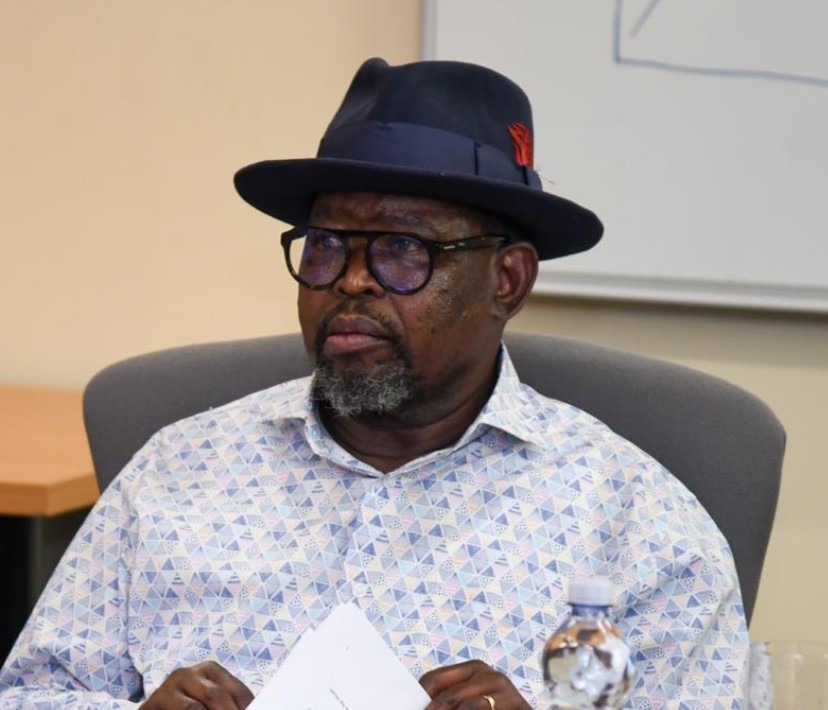
Finance Minister Enoch Godongwana has handed the Ditsobotla Local Municipality its revised Financial Recovery Plan (FRP), which is meant to tackle a R2.1 billion cash shortfall, creditor payment days of more than 3,000 days and bloated staff costs of 720 workers, when the municipality is said to require just over half that number, or about 450 employees.

The handover was witnessed by North West Finance MEC Kenetswe Mosenogi, Ditsobotla mayor Molefe Morutse and National Cabinet Representative, effectively the municipal administrator, Kopung Ralikontsane.

Ditsobotla is in the Ngaka Modiri Molema District Municipality in North West and is anchored in the town of Lichtenburg, with surrounding towns including Coligny and Biesiesvlei. The municipality is mainly an agricultural hub, but it has also lost dairy producer Clover due to poor infrastructure and services.

Ralikontsane was appointed last September when the municipality was placed under an intervention through section 139(7) of the Constitution. Ditsobotla has had eight previous unsuccessful interventions, but none appears to have worked.

“I can only surmise that part of the reason for eight failures is that we have not fully embraced what it means to be under an intervention,” said Godongwana at the handover.

“When a municipality is under intervention, it is not operating under normal conditions. The municipality is operating under constrained conditions with fewer financial resources. Therefore, it cannot be “business as usual” in the way the day-to-day activities are run and managed”

Godongwana noted a need for a change in mindset, saying: “Habits, attitudes and mindsets must shift in this process. An intervention mindset must be adopted to kickstart recovery. I believe that officials from the Municipal Financial Recovery Services unit are already assisting the municipality with change management.”

In April this year, the Select Committee on Cooperative Governance and Public Administration, including Traditional Affairs, Human Settlements and Water and Sanitation, at the National Council of Provinces, called for better co-ordination in supporting the municipality.

Committee chairperson Mxolisi Kaunda said that while National Treasury and Cogta were supporting Ditsobotla, other departments, such as Human Settlements, also needed to become more involved.

Godongwana noted that the intervention does not come with a financial bailout.

“Neither national nor provincial interventions are accompanied by financial bailouts.” Godongwana said.

“However, this does not mean that other forms of support will not be provided to get you moving. The National Treasury will provide you with fuel by exploring options to assist the municipality with smart metering and metering for bulk supply and will investigate further opportunities for assistance.”

This means Ditsobotla will be assisted to restore its revenue collection measures. The municipality has received some financial support from national government. For example, Cogta and National Treasury have allocated R30 million to help procure fleet vehicles to resume waste management.

The Treasury report notes that revenue collection rates stand at 44%, while outstanding consumer debt is about R1.3 billion. The report says “weak credit control measures, poor billing systems and resistance to debt collection have undermined revenue recovery efforts.”

Treasury says Ditsobotla has completed the section 78 process required to sign the Distribution Agency Agreement with Eskom.

“This is a partnership where Eskom takes over electricity revenue collection and technical management in struggling municipalities,” Treasury said.

Various departments also made an undertaking to support the municipality during a visit by Deputy President Paul Mashatile.

The FRP shows that the municipality’s 2025/26 medium-term budget is unfunded by R2.1 billion, after all liabilities are considered, with no cash available to cover operating expenses against the standard period of between one and three months.

Electricity distribution losses stand at 85%, while water distribution losses stand at 58%. The municipality’s creditor payment period is 3,188 days, meaning it takes, on average, more than eight years to pay creditors.

Ralikontsane has said the current workforce of 720 is far above what the municipality requires, with Ditsobotla needing about 450 workers to operate efficiently.

Earlier this year, the Democratic Alliance raised alarm over spending on the Municipal Infrastructure Grant, which in 2024/25 had an allocation of R32 million, while spending stood at below 50% and internal roads and key arterial routes vital for connectivity and economic activity were deteriorating.

At the same time, the South African Municipal Workers’ Union pointed out that the municipality had not handed over workers’ pension contributions for more than a year.

The troubled municipality is expected to remain under supervision well beyond the upcoming local government elections.

“The National Treasury will continue with oversight visits and closely monitor the implementation of the financial recovery plan through the monthly progress reporting by the municipality and through War Room meetings which will take place quarterly”, Godongwana said.

INSIDE POLITICS

More articles

LEAVE A REPLY

Please enter your comment!
Please enter your name here

Inside Education E-Edition

spot_img

CATHSSETTA

spot_img

AVBOB STEP 12

spot_img

Inside Metros G20 COJ Edition

spot_img

JOZI MY JOZI

spot_img

QCTO

spot_img

Latest article



