
THE City of Johannesburg has prioritised several technology projects to realise its smart city ambitions, and it plans to invest R316.5 million to get them off the ground.
The projects include implementing an eHealth programme, an automated fare collection system for the Rea Vaya bus service, and installing fire detection and suppression mechanisms at substations.
Funding for the projects is as follows:
- R21.5 million for the implementation of the eHealth programme;
- R260 million over the medium term for an automated fare collection system for the Rea Vaya bus service;
- R15 million for an Integrated Intelligence Operating Centre; and
- R20 million for fire detection and suppression equipment at major substations over the medium term.
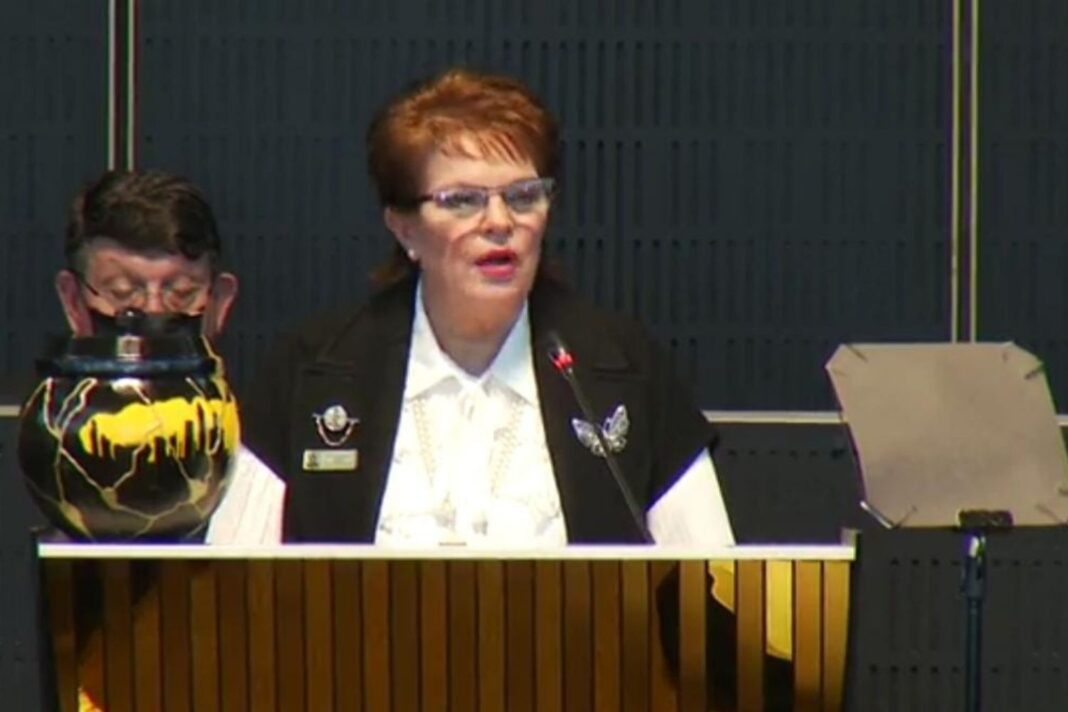
Joburg finance MMC Julie Suddaby explained that the municipality has some ways to go before the concept of a Smart City could become a reality.
“The concept of Smart City has been on Johannesburg’s agenda for some time,” she said.
“When evaluating our progress in this regard, it is apparent that we have a far road ahead of us to reach internationally accepted standards.”
The R316.5 million total is merely a fraction — 9.5% — of what the metro plans to invest in other projects.
Suddaby revealed that the CoJ planned to spend R2.3 billion on electricity and road infrastructure, R930 million on water supply and sewerage management, and R89 million on sports and recreation facilities.
The CoJ has dubbed its budget scheme “The Golden Repair”.
“Our budget theme — The Golden Repair — naturally denotes a focus on repair and maintenance,” Suddaby said.
Plans for the Lanseria Smart City — initially referred to as the Cradle City — surfaced in 2007 to create South Africa’s first city built around an airport.
According to a BusinessTech report, the CoJ formally adopted the provincial government’s plan to develop the smart city in May 2021, proposing that another smart city be constructed in the Deep South region.
The region includes Ennerdale, Finetown, Lehae, Lenasia South, Vlakfontein, and Zakariyya Park and reaches as far south as Orange Farm.
Meanwhile, Suddaby said the city wants to achieve a 90% collection rate in the coming financial year and has tabled some hefty tariff increases for residents.
“Property rates will increase by 4.85%; electricity will increase by 7.47%, which is a significant reduction of the increase in the previous financial year of 14.59%. This increase is determined by Nersa and we currently have no option but to pass it through to our customers.”
“Water will increase by 9.75%. This increase is also a pass through cost from Rand Water. Sanitation will increase by 9.75%; and refuse increases by 5%,” Suddaby said.
“Electricity infrastructure has received the largest chunk of the Johannesburg’s capital spend for the 2022/23 financial year with R1.2 billion followed by roads at R918 million, water R795 million, sanitation R600 million, sports and recreation R172 million and community facilities R79 million.”
Staff Reporter





