


By Charmaine Ndlela
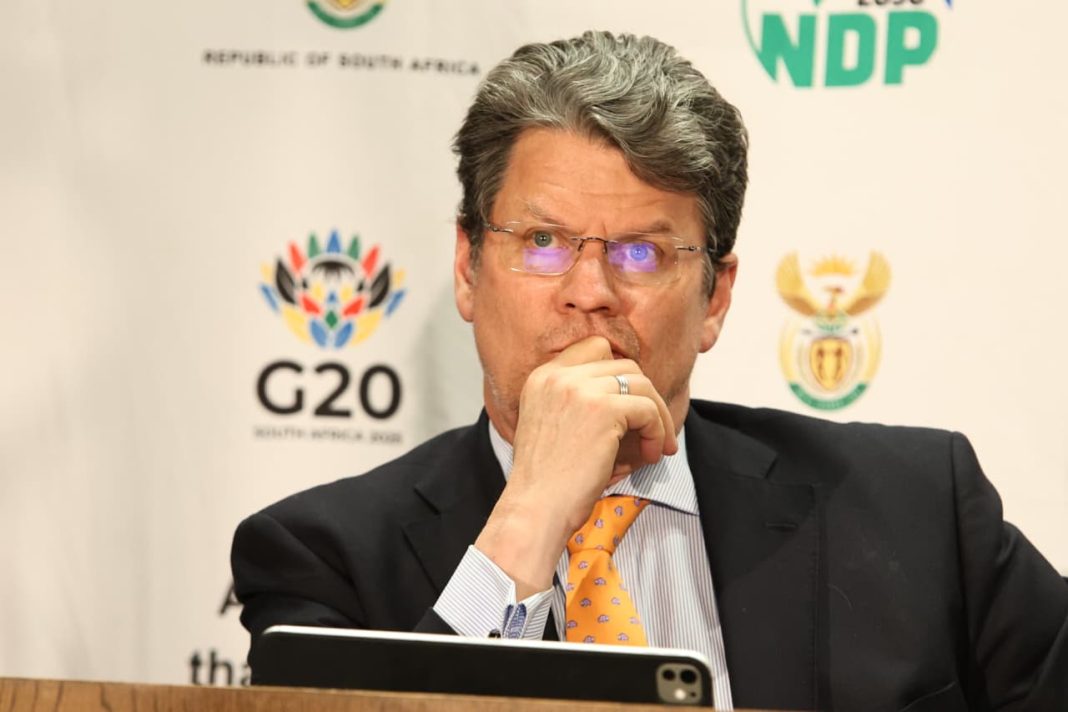
Deputy Justice Minister Andries Nel said on Monday that government wanted to lift implementation of the Public Protector’s remedial action to at least 50%, as South Africa relaunched the African Ombudsman Research Centre in Durban.
“The percentage of remedial action being implemented has increased from 2% in 2022/2023 to 29% in 2023/2024, and to 39% by 31 March 2025,” he said.
“We aim to increase this to at least 50% through robust engagement with respondent institutions during investigations, as well as regular dialogue with the executive.”
Speaking at the relaunch of the centre at the University of KwaZulu-Natal, Nel said ombudsman and public protector offices had evolved beyond complaint-handling bodies into active institutions meant to safeguard rights, improve accountability and strengthen the rule of law.
“Ombudsman and Public Protector institutions were originally conceived as mechanisms to address maladministration and provide citizens with a channel to lodge complaints against government agencies,” said Nel.
“Over time, however, their mandate has evolved significantly. Today, they are not only complaint-handling bodies, but proactive institutions that safeguard human rights, promote accountability, enhance access to justice, fight corruption and strengthen the rule of law.
“Their role has expanded to include monitoring public administration, advising on policy reforms, and ensuring that governance structures remain fair and transparent.”
The five-day relaunch and training session, Which started on Monday and ends on Friday at UKZN’s Westville campus, brought together members of the African Ombudsman and Mediators Association, public protectors and partner organisations under the theme “Using Ombudsman Powers to Strengthen Governance and Advance SDGs in Africa”.
The centre serves as AOMA’s research, training and archival arm.
Nel said that shift reflected mounting pressure on oversight bodies to respond to corruption, inequality and distrust in public institutions.
“This evolution reflects the growing complexity of modern governance and the need for institutions that can adapt to new challenges such as corruption, inequality, and the erosion of public trust in government,” he said.
Speaking on their continental importance, Deputy Director-General for Global Governance and Continental Agenda at DIRCO, Ambassador Xolisa Mabhongo, said: “Ombudsman, Mediator and Public Protector institutions play a crucial role in advancing Agenda 2063 and the United Nations Sustainable Development Goals, particularly SDG 16, which promotes peace, justice and strong institutions.”
“They strengthen governance by enhancing accountability, improving access to justice and reinforcing the rule of law.”
He also highlighted their accessibility to ordinary citizens.
“These institutions expand access to justice by offering a simple and affordable alternative to formal courts. They act as a bridge between citizens and the state, allowing individuals to challenge maladministration and unfair treatment without high costs,” he said.
“Through impartial investigations, they ensure justice is accessible to all, especially marginalised and vulnerable groups.”
On corruption, Mabhongo said: “They play a key role in combating corruption by investigating misconduct, exposing misuse of public resources and holding officials accountable. By addressing systemic weaknesses, they promote transparency and reform.”
Nel said ombudsman institutions still struggled to convert formal powers into lasting administrative reform.
“Ombudsman and Public Protector institutions face significant challenges in translating their formal mandates into lasting improvements in governance and service delivery,” Nel said.
“These include weak integration into broader governance frameworks, limited linkage between complaint handling and policy reform, and insufficient feedback mechanisms to drive systemic change.”
He added, “As a result, their findings do not always translate into meaningful administrative improvements.”
Nel said limited budgets, capacity constraints and political pressure remained major risks.
“Many institutions operate under fiscal constraints, lack adequate resources, and face uneven capacity to conduct complex investigations.”
“They may also be vulnerable to political pressure or interference, particularly when required to challenge powerful actors,” he said.
Nel said landmark constitutional court rulings had clarified the force of the Public Protector’s findings.
“The 2016 Economic Freedom Fighters v Speaker of the National Assembly judgment confirmed that the Public Protector’s remedial actions are binding unless overturned by a court,” he said.
Nel was referring to the constitutional court’s 2016 Nkandla ruling, in which the EFF and the Democratic Alliance challenged then president Jacob Zuma and the National Assembly over their handling of then Public Protector Thuli Madonsela’s findings on upgrades to Zuma’s private home.
The court held that Madonsela’s remedial action in her Secure in Comfort report was binding unless set aside by a court.
“This affirmed the office’s authority as a constitutional watchdog, while also emphasising that such powers must be exercised rationally and within constitutional limits,” Nel said.
He said the relaunch was intended to deepen professional development and coordination among African oversight bodies.
“This relaunch marks a renewed commitment to expanding impact, enhancing professional development, and fostering stronger cooperation among Ombudsman and Public Protector offices,” Nel said.