
By Akani Nkuna
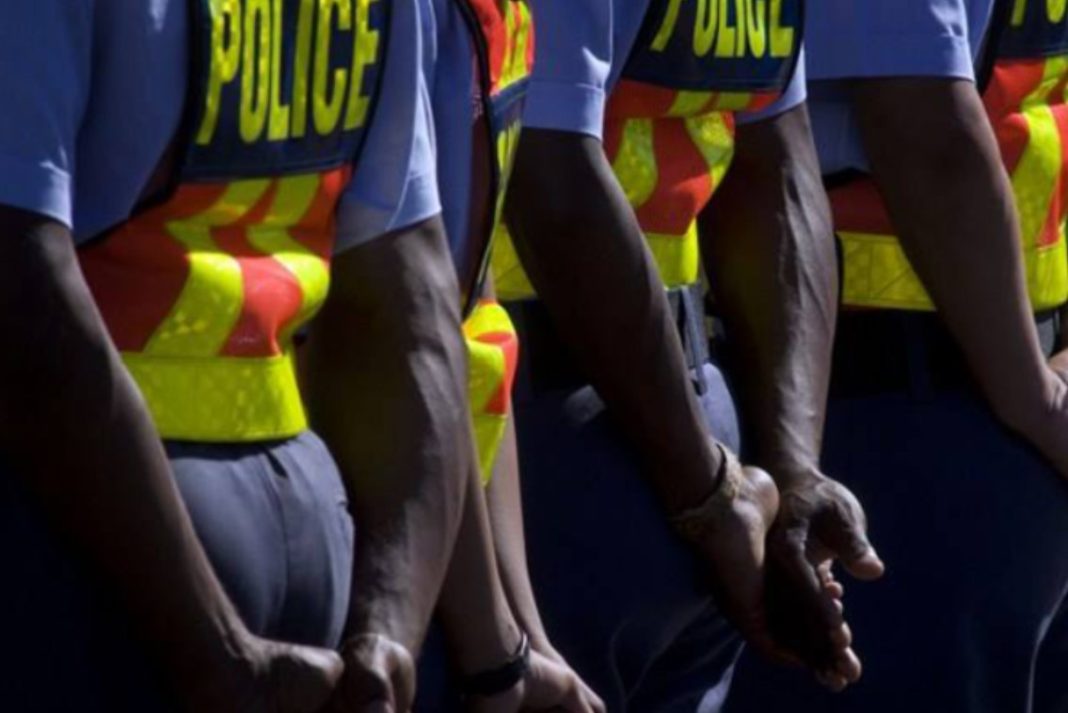
Police have suspended leave for some officers and warned protesters not to use the 30 June demonstrations over illegal immigration as cover for violence, road blockades, intimidation or unlawful identity checks.
Acting Police Minister Firoz Cachalia said police were ready to respond across the country, while KwaZulu-Natal police said they had identified potential hotspots and drawn up a provincial security plan to keep roads, businesses and communities functioning.
“I am satisfied that the police are ready for any eventuality,” Cachalia said during a press briefing in Cape Town.
He said police would protect lawful protest, but warned that immigration concerns did not give civilians the right to take enforcement into their own hands.
“There is no constitutional right to violence, no constitutional right to take the law into your own hands and no constitutional right to carry dangerous weapons while participating in a protest,” he said.
Cachalia said authorities were already monitoring inflammatory statements by people threatening to remove foreign nationals themselves.
“In this case, we also have situations where people are making inflammatory statements on social media, saying they are going to expel people from our country themselves on the 30th,” he said.
He said police had no choice but to prepare for the risk that the planned protests could be exploited by groups intent on disruption.
SAPS divisional commissioner for human resource development Lt-Gen Dr Bongiwe Zulu said some officers had already been informed that their leave had been suspended, while others with critical skills could still be called back.
Cachalia said illegal immigration was a serious national concern, but that only the police and authorised officials could enforce the law.
“When police enforce immigration laws, they are enforcing the law. When people who are not authorised by law do it themselves, they are breaking the law,” he said.
In KwaZulu-Natal, Acting Provincial Police Commissioner Major-General Phumelele Makoba said police had prepared for the marches and that 30 June would not be treated as a shutdown.
“The 30th of June is a normal day, it’s a normal Tuesday, it is a working day in South Africa.
“Police will be out there to ensure that those who are going to work are going about their business and do so without fear or intimidation,” she said.
Makoba said police had met organisers of the planned marches and expected them to keep the demonstrations peaceful. She said officers would be deployed before, during and after the protests.
“Planning for the marches is underway and areas of interest have been identified,” she said.
Makoba said intelligence officers were monitoring developments and that drones and other resources would be used to detect threats, identify suspects and respond to criminal conduct.
She said the right to protest was protected, but did not permit intimidation, public violence or the obstruction of roads.
“Acts of intimidation, public violence, blockading roads and incitement of violence will be dealt with in accordance with the law,” Makoba said.
Like Cachalia, she also warned residents that civilians had no power to search people or demand proof of nationality.
“We are reminding those who will be engaging in marches that no civilian is allowed to search a fellow civilian and no civilian has a right to demand any form of identification or confirmation of nationality. That is the duty of law enforcement officers,” Makoba said.
Makoba said KwaZulu-Natal police had arrested 8,556 undocumented foreign nationals since April 2025. She said those arrested came from several regions, including Africa, Europe, Asia and South America.
“It does not matter where you come from; if you are in the country illegally, the law will take its course,” she said.
She said 221 employers had also been sanctioned for employing undocumented foreign nationals or foreign nationals without valid work permits, with Amajuba, eThekwini and uMgungundlovu among the main affected areas.
INSIDE POLITICS





