
- Advertisement -spot_img

NUMSA Wins Bid For Fuel Sector’s Right To Strike

- Advertisement -spot_img

Must read

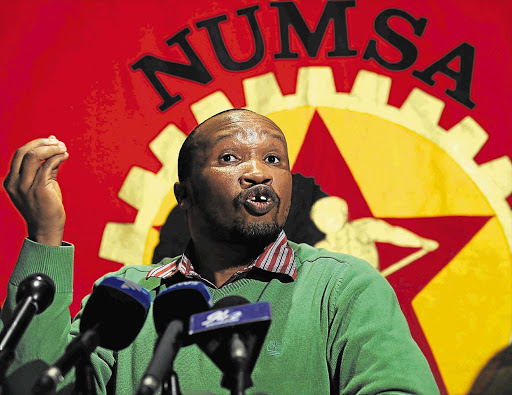
THE National Union of Metalworkers of SA (Numsa) says it welcomed the findings by the Essential Services Committee (ESC) of the Commission for Conciliation, Mediation and Arbitration that the production, transportation and distribution of fuel should not be designated an essential service.

This means that the workers in the sector can now go on a strike.

Last year, the petroleum industry wanted to be declared an essential service.

It made representations to the ESC.

Trade unions at the time said the move to declare the workers as essential services prohibited employees from striking.

The fuel sector includes the production, transportation, and distribution of fuel.

Numsa General Secretary Irvin Jim said the union welcomed the findings by the ESC.

He added that the ESC investigated and found in Numsa’s favour.

Jim said the union made its submissions before the committee opposing the application as striking was a fundamental right that is protected by the Constitution.

“Also, we were not convinced that the fuel sector met the criteria to be declared ‘essential’. The condition for a sector to be declared ‘essential’ is, “a service the interruption of which endangers the life, personal safety or health of the whole or any part of the population”, he added.

The ESC received submissions from the South African Petroleum Industry Association (SAPIA) and the Fuel Retailers Association (FRA).

These bodies argued that the sector should be declared essential.

They claimed that a stoppage caused by a strike at any stage of the supply chain of the fuel process, would cause disruptions along the entire value chain, thus increasing the risk that there will be shortages of supply of fuel to essential services, such as police and emergency services.

The ESC noted that the FRA and SAPIA were unable to provide proof to support their claim that an interruption caused by a strike to the production, transportation and distribution of fuel would make it impossible for essential services sectors, such as the police or fire department to do their work.

“The committee also found that the right to strike and tampering with it, should not be done lightly. It said the following: “The panel in making this determination had to balance between the need to provide essential services and interfering with a constitutional right and applying a wide interpretation would in our view negatively affect collective bargaining in circumstances where the same cannot be justified. The panel is not satisfied that a case is made for the designation as even in its evidence SAPIA conceded that a strike that lasted almost three weeks did not impact essential services as there were contingency plans put in place to ensure that essential services were not interrupted.”

NUMS said strike action is an important element of collective bargaining and it is recognized as the primary mechanism through which workers exercise collective power.

The ESC found that “there is no evidence to prove that the interruption of production, transportation and distribution of fuel would pose any immediate threat to life, safety and health of the population or part thereof.”

  • Inside Politics

More articles

LEAVE A REPLY

Please enter your comment!
Please enter your name here

CATHSSETTA

spot_img

AVBOB STEP 12

spot_img

Inside Education E-Edition

spot_img

Inside Metros G20 COJ Edition

spot_img

JOZI MY JOZI

spot_img

QCTO

spot_img

Latest article



