


By Thapelo Molefe
The Cultural, Religious and Linguistic (CRL) Rights Commission has pointed to the collapse of the Timothy Omotoso prosecution as a stark example of why self-regulation within churches is urgently needed to protect victims of abuse.
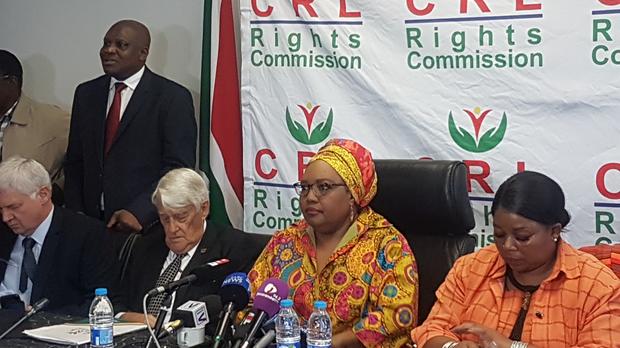
The commission on Saturday held a briefing with leaders from the Christian sector on mechanisms to strengthen ethics and accountability, during which it launched a draft self-regulatory framework that will be opened for national consultation.
Unveiling the draft framework aimed at curbing abuse, exploitation and unethical practices in churches, members of the CRL’s Section 22 Committee said the Omotoso case illustrated the limitations of criminal law in safeguarding vulnerable congregants, particularly young women.
“The Omotoso case demonstrates the failure of the law to protect victims,” said Section 22 Committee member Rev Dr John Maloma.
“Young girls endured years of trauma, braved the courts and exposed themselves publicly, only for the case to collapse years later through no fault of their own.”
Maloma said the prolonged trial, which spanned several years, had further harmed victims, while alleged perpetrators were often shielded by financial resources and support from within church structures. He added that churches had largely remained silent throughout the process.
“The church has been quiet. We are fragmented, not united, and that silence has allowed abuse to continue,” he said.
The case against Nigerian televangelist Omotoso began in 2017 and stretched over nearly eight years, becoming one of South Africa’s most high-profile prosecutions involving alleged abuse within a religious setting.
Omotoso was initially charged with 63 counts, which were later reduced to 32 after several witnesses withdrew or were unavailable to testify.
In April this year, Gqeberha High Court Judge Irma Schoeman acquitted Omotoso and his co-accused, Lusanda Sulani and Zukiswa Sitho, on all charges, including rape, human trafficking and racketeering, after finding that the state had failed to prove its case beyond a reasonable doubt.
Schoeman was scathing of the prosecution’s conduct, citing inadequate cross-examination and serious procedural shortcomings.
Earlier this month, the Gqeberha High Court dismissed the National Prosecuting Authority’s application for leave to appeal the acquittal, dealing the state another setback in the long-running matter.
In the wake of the acquittal, several human rights bodies, including the South African Human Rights Commission, the Commission for Gender Equality and the CRL, announced plans for a joint inquiry into the handling of the case, citing concerns about systemic failures in prosecuting gender-based violence.
Against this backdrop, the CRL said its proposed self-regulatory council would not replace criminal law but would address ethical misconduct that often falls outside the reach of the courts.
The CRL said it was developed in response to persistent reports of abuse, exploitation and moral failure in churches, including financial misconduct and the manipulation of vulnerable congregants.
The Framework is built on three pillars, which are internal governance and accountability, a code of ethical and professional conduct, and compliance with existing laws.
It proposes the establishment of an Independent Christian Practice Council to guide and certify churches that meet agreed standards.
The CRL stressed that the framework does not amount to state control of religion but seeks to restore public trust and address unethical conduct that often falls outside the reach of criminal law.
INSIDE POLITICS