
- Advertisement -spot_img

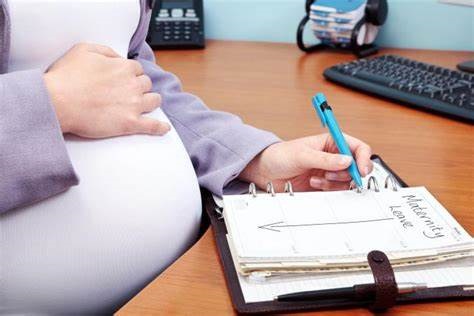
PSA welcomes a historic Constitutional Court judgement on maternity leave

- Advertisement -spot_img

Must read

Johnathan Paoli

The Public Servants Association (PSA), representing more than 240 000 public-sector employees, has welcomed the recent judgement by the Constitutional Court, which grants both parents the right to maternity leave, including leave for children born through surrogacy or adoption. 

The Court found that the provisions of the Basic Conditions of Employment Act (BCEA) regarding parental leave violated sections 9 and 10 of the Constitution. 

That the policy choices evident in the BCEA are in respect of child nurture and not merely a birth mother’s experience of pregnancy and childbirth and her need for a physiological recovery period and as such, both parents were able and should be entitled to provide comprehensive nurturing to their child. 

The Court ruled that these provisions unfairly discriminate against mothers and fathers, as well as parents based on the child’s manner of birth. 

Therefore, in cases of natural birth, parents can now choose which one of them will take the full four months of maternity leave or allocate the period between them as they see fit.

The Public Service’s regulations regarding leave of absence must thus also be amended to comply with the Con Court’s decision, with failure to do so amounting to discrimination. 

PSA spokesperson Reuben Maleka said that the association was aware of the potential implications of this judgement and would subsequently engage constructively in the Public Service Coordinating Bargaining Council to ensure that public servants are treated fairly in this regard.

Maleka maintained, however, his concern about the suspended declaration of constitutionality for two years, which allows for parliamentary processes and amendments to the BCEA, and said that this period was too long and would be detrimental to workers. 

Maleka urged the government to act with urgency to prevent any form of discrimination against working parents.

Sibusiso Dube, partner at the Sandton based law firm Bowmans, said that while this was a very progressive judgement, it is expected that there may be disagreement with some of the findings, especially in practical terms.

For example, pregnant women in committed relationships were previously entitled to four consecutive months’ maternity leave, which has now been done away with under the interim measures and such pregnant women will now be required to share their four-month leave allocation with the father of the child should the father wish to take parental leave. 

“Hopefully Parliament will establish legislation that will cure the defects in the current BCEA provisions without taking away the benefits that resulted from maternity leave,” Dube said. 

In addition, should a shared arrangement be chosen by the parents, they are required to inform both employers in writing of this arrangement.

INSIDE POLITICS

More articles

LEAVE A REPLY

Please enter your comment!
Please enter your name here

CATHSSETTA

spot_img

AVBOB STEP 12

spot_img

Inside Education E-Edition

spot_img

Inside Metros G20 COJ Edition

spot_img

JOZI MY JOZI

spot_img

QCTO

spot_img

Latest article



