
- Advertisement -spot_img

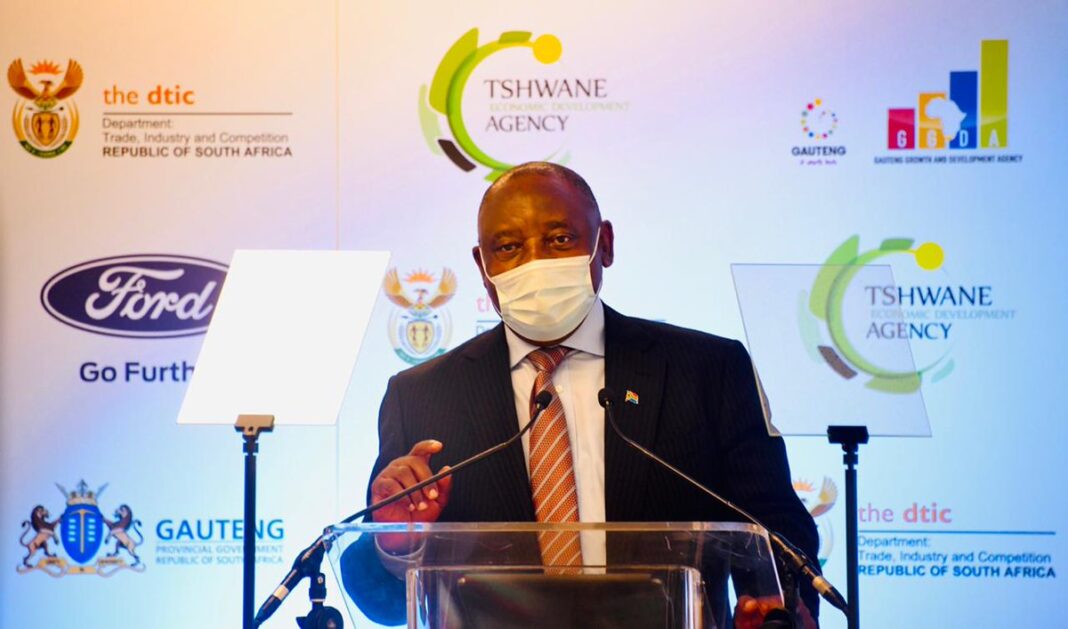
Ramaphosa Lauds Ford Motor Company’s R16bn Investment Into SA Auto Industry

- Advertisement -spot_img

Must read

THE investments aim to increase Ford’s installed capacity in South Africa from 168,000 to 200,000 vehicles, said Andrea Cavallaro, operations director of Ford’s International Market Group.

“It’s the biggest investment in Ford’s 97-year history in South Africa and one of the largest ever in the local automotive industry,” he told an announcement event.

Ford joins global carmakers including Volkswagen, Toyota and Nissan in ramping up production in Africa, viewed by the industry as a large, untapped market for new car sales.

Around a third of Ford’s local production is sold in South Africa and other sub-Saharan African countries, with the rest exported elsewhere.

Ford’s South African investment includes $683 million for technology upgrades and new facilities at its plant in Silverton, a suburb of the administrative capital Pretoria, and $365 million to upgrade tooling at major supplier factories.

The plant will also manufacture Volkswagen pickup trucks as part of the Ford-VW alliance.

The expanded production will create 1,200 jobs with Ford in South Africa, increasing the local workforce to 5,500 employees, while adding an estimated 10,000 new jobs across the carmaker’s supplier network.

Ford also aims to make the Silverton plant entirely energy self-sufficient and carbon neutral by 2024, Cavallaro said.

Advertisement

South Africa has big ambitions for its automotive sector, putting it at the heart of attempts to revive economic growth and reduce unemployment via industrialisation.

Speaking at Ford’s announcement, South African President Cyril Ramaphosa said the company had already helped to bring 12 automotive component suppliers to the country.

“Ford Motor Company is like a beautiful flower and it has attracted all these wonderful bees that keep coming here,” he said.

The government’s plan targets a more than doubling of the industry’s annual production to 1.4 million vehicles by 2035 and raising the proportion of auto components made locally to 60% from 39%, supported by investment and tax incentives.

The goals have been dealt a blow by the COVID-19 pandemic, however, with both local sales and exports down by around 30% last year.

(SOURCE: REUTERS)

More articles

LEAVE A REPLY

Please enter your comment!
Please enter your name here

AVBOB STEP 12

spot_img

Inside Education E-Edition

spot_img

Inside Metros G20 COJ Edition

spot_img

JOZI MY JOZI

spot_img

QCTO

spot_img

Latest article



