
- Advertisement -spot_img

Ramaphosa Prepares SA To Face The Perfect Storm With A New Economic Reality

- Advertisement -spot_img

Must read

THEBE MABANGA

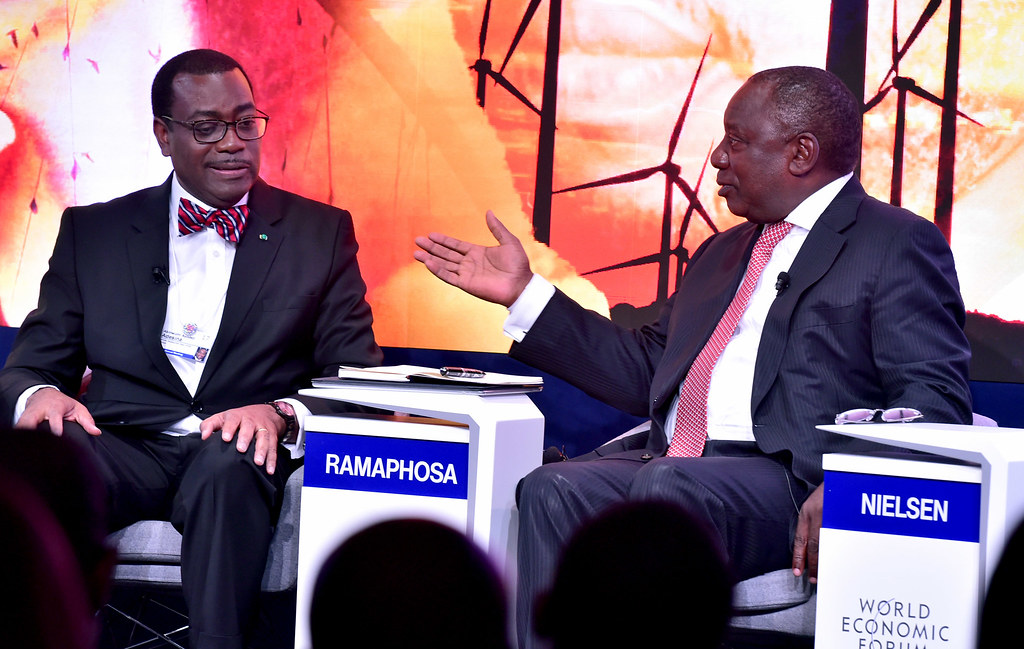
AS SOUTH AFRICA moves to Level 3 after 65 days in a national lockdown, President Cyril Ramaphosa used an address to editors to prepare South Africa to face the coming COVID-19 storm but also outline a new economic reality.

Ramaphosa used an address to the South African National Editors Forum (SANEF) to retrace the steps government has taken even before the identification of the first case in early March and to point to the tough and probably grim road that lies ahead.

“The Coronavirus pandemic has not only presented us with enormous challenges. It has also created several opportunities on which we must capitalise,” said Ramaphosa.  

“One of the opportunities it has presented is to turn public health infrastructure into a genesis for the National health Insurance (NHI) as every person has who requires it has been tested and those found to be positive will be treated in the 27 000 beds made available by the public sector for Covid 19.”

What South Africa needs to be careful of is how this burden is shared between the public and private sector.

Discovery Medical Aid estimates that Covid can bring about claims of anything between R7 billion and R31 billion while a higher proportion of private facilities have had to be closed due to high number of staff and patient infections.

Medical aid needed regulations to be amended to fully pay for COVID-19 testing and treatment.

The danger is that medical aid patients can be quietly pushed to the public sector through technicalities such as treatment codes just to avoid carrying the cost.

On the economic front, the pandemic has shown the importance of that National Plan objective of building a capable state.

The state has had to directly and through agencies such as the Unemployment Insurance Fund and the South African State Security Agency (SASSA) carry the bulk of the relief efforts through processing of grants and wage support, tax relief measures and the availability of additional spectrum.

There have been private efforts such as the Solidarity Fund as well as the Rupert and Oppenheimer Families, but these have accounted for a smaller proportion.

The UIF for instance has paid R15.8 billion to 3 million employees in over 200 000 companies.

COVID-19 has shown once and for all that the state is the central player in economic life: in both developing and advanced countries, as was the case in the 2008 crisis and now, its governments that carry the cost and create conditions for the private sector to rejuvenate economies.

All those who believe in the ‘Free Market’ must just sit down and shut up.

In South Africa’s case Ramaphosa points out that initial intervention measures amounted to R 1.7 billion, or 0.01% of GDP, a woefully inadequate amount.

This was then ramped up to the R 500 billion, or 11% of GDP of R 5trillion, announced in March.

But that too may prove inadequate because R 130 billion of is reprioritised spending and not new money.

Also, R200 billion of the amount is for a loan guarantee scheme rather than actual spending.

The problem with a loan guarantee scheme is that banks can extend the loans, then at the first sign of trouble, such as being three months in arrears, they call in the guarantee.

In the end, banks will benefit.

Last week, the Reserve Bank released the Financial Stability Review which showed banks to be resilient to the initial shock of COVID-19.

There could be trouble ahead though.

What the sector should be doing now is to carry these guarantees on their own books and free the R200 billion for government to spend elsewhere, such as on schooling infrastructure.

The slightly troubling aspect with Ramaphosa’s vision is that the proposed steps are what has been required of him since February 2018, when he ousted former President Jacob Zuma – to accelerate structural reforms, promote localisation and industrialisation, repurpose State Owned Enterprises  (SOEs) and strengthen the informal sector.

It would seem the pandemic has provided the necessary impetus and wake up call to do what we have known needs to be down all along.

It’s like a person who needs a heart attack to wake up to the importance of eating healthy, exercising, and cut down on smoking and alcohol consumption.

Once again, infrastructure spending is the centrepiece of the economic recovery. In October 2008 at the start of the Global Financial Crisis, then finance minister Trevor Manuel returned from the IMF and World Bank Spring meetings to report a crisis unfolding in different parts of the globe. Manuel then presented his Mid-Term Budget Policy Statement and announced R187 billion worth of spending on infrastructure over the next three years.

That spending shielded South Africa from the worst excesses of the recession, and it included projects such as Eskom’s Medupi power station cost overruns and the 2010 World Cup infrastructure of airports and stadia, which has since been completed.

South Africa needs new ambitious projects and an infrastructure portfolio nearing a R1-trillion over the next five to seven years, rather than the current mooted R100 billion in the Infrastructure Fund.

Finally, a reality that Ramaphosa will have to accept is that for all the measures put in place, you cannot save everyone.

Some businesses will have to be allowed to fail for entrepreneurs to start over or new investors to come in.

This is especially true for sectors that are consumer facing and dominated by SMMEs such as tourism.

For while it is true that it is more costly to start a new business than it is to save an existing one, it is also true that it can be more costly to try save an inefficiently run business in the hands of the wrong owner.

 We must allow for consolidation as small players are bought over by slightly bigger ones or mergers and acquisitions create new bigger players.

It is the brutal reality of markets, one which will be reinforced, rather than negated, by this.

(Compiled by Inside Politics staff)

More articles

LEAVE A REPLY

Please enter your comment!
Please enter your name here

CATHSSETTA

spot_img

AVBOB STEP 12

spot_img

Inside Education E-Edition

spot_img

Inside Metros G20 COJ Edition

spot_img

JOZI MY JOZI

spot_img

QCTO

spot_img

Latest article



