
- Advertisement -spot_img

Ramaphosa Urges a Return to UDF Principles in Combating Youth Apathy and other ills

- Advertisement -spot_img

Must read

Johnathan Paoli

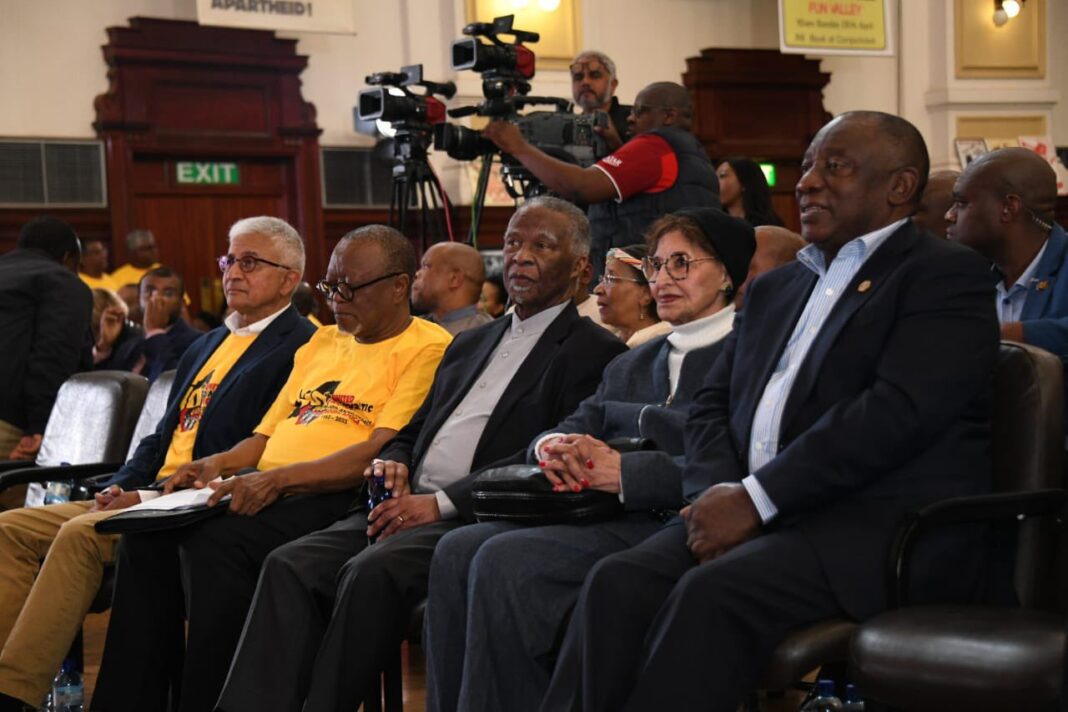
In a keynote address at the 40th Anniversary Celebration of the founding of the United Democratic Front in Joburg’s City Hall on Sunday, President Cyril Ramaphosa celebrated how far South Africa has come since the founding of the movement back in August 1983 at the Rocklands Community Hall, Mitchel’s Plain, Cape Town. 

Ramaphosa, in his speech, bemoaned the growing apathy and non-performance of the youth in both political structures as well as poor voter turn-out in the elections in general. 

He also spoke about the impact of generational tensions and ageism in the involvement of the country’s youth in political decisions and leadership that hold enormous sway over their everyday lived experience.

“Young people, a third of our population, are feeling the cold winds of exclusion from opportunity. They see politics as the preserve of old people and aren’t voting,” Ramaphosa said.
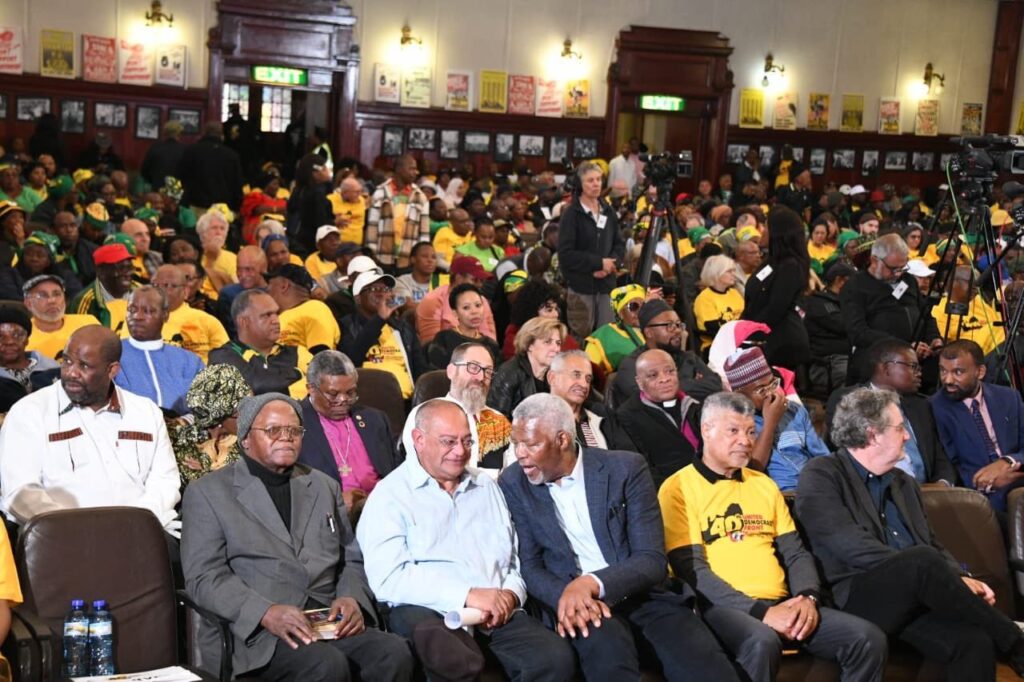
The UDF was an umbrella alliance of civic organisations that arose in response, among other things, to the apartheid-government’s decision to institute the Tricameral Parliament, in which two houses – for Coloured and Indian voters – were established at the exclusion of the country’s Black majority.

At its height, there were 3 million community members and more than 400 organisations under the banner of the UDF.

The President pointed out how, despite their foundational contribution to the UDF struggle, Coloured and Indian South Africans feel left out, illustrating their under-representation within decision-making structures.

Ramaphosa raised red flags about the number of white people feeling isolated and being pushed to seek refuge in more reactionary and nationalist political parties that have openly aligned themselves to a particular racial group, calling it “laager-style” politics and a “siege” mentality.

In addition, the President raised the issue of women and said they feel marginalised and unprotected in light of the growing gender-based violence, and general struggles they are subjected to at the hands of family, friends, churches and places of learning.

Ramaphosa said there is a climate of  growing political coalitions that have pervaded the South African landscape over the last few years, as well as the mushrooming of political parties which have provided a niche refuge for regressively identitarian forms of political identity to those who have felt excluded.

INSIDE POLITICS

More articles

LEAVE A REPLY

Please enter your comment!
Please enter your name here

CATHSSETTA

spot_img

AVBOB STEP 12

spot_img

Inside Education E-Edition

spot_img

Inside Metros G20 COJ Edition

spot_img

JOZI MY JOZI

spot_img

QCTO

spot_img

Latest article



