
STAFF REPORTER|
PRESIDENT Cyril Ramaphosa says the fact that millions of young people were not in employment, education or training, was the greatest challenge facing South Africa today.
He further said the country’s economic woes have been worsened by COVID-19, the July unrest and the floods in KwaZulu-Natal.
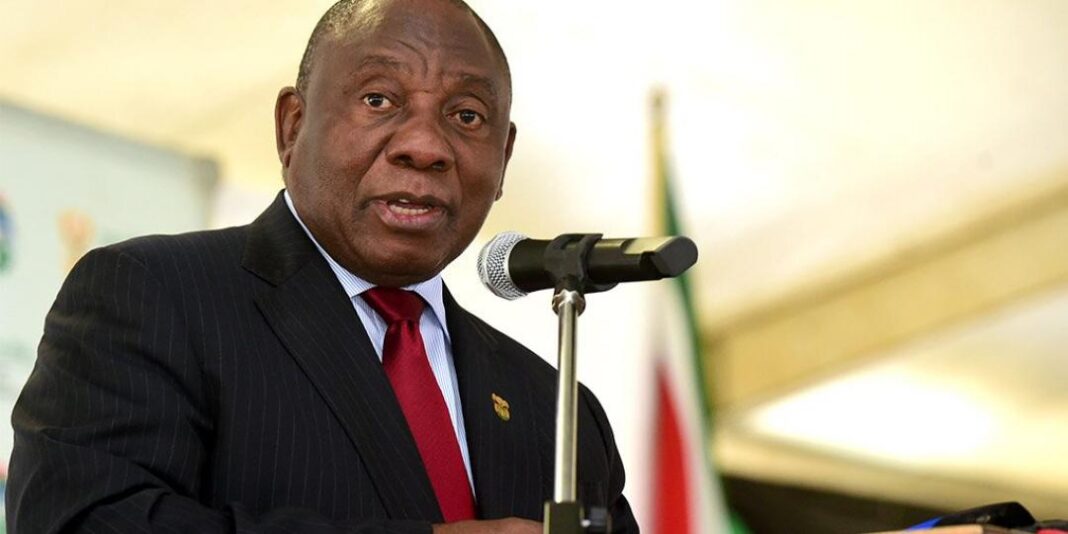
Ramaphosa was addressing celebrations marking Youth Day in Mthatha, Eastern Cape on Thursday.
“The apartheid legacy of poverty, unemployment and inequality has, in recent times, been compounded by the effects of the COVID-19 pandemic, the July 2021 unrest and the devastating floods in KwaZulu-Natal, North West and here in the Eastern Cape,” said Ramaphosa.
Earlier this week, Ramaphosa, writing in his weekly newsletter, called on businesses to join the government’s efforts to create jobs for the youth.
“The youth of South Africa confront new struggles in their quest to lead lives of dignity and in pursuit of a better life. Though we have made substantial progress in broadening opportunities for young people in basic and higher education, millions of young people remain unemployed,” said Ramaphosa.
“While the latest employment figures give some cause for optimism – some 370 000 jobs were created in the first quarter of this year – we still have a huge mountain to climb in our quest to create more jobs, especially for young people.”
According to Statistics SA, youth unemployment is now 66.5%.
“No society can expect to grow or thrive when the vast majority of its young people are out of work. Our foremost priority as government is to achieve higher rates of inclusive growth that generate sustainable jobs at the scale of social need.”
Ramaphosa told Youth Day rally on Thursday that post-COVID-19 pandemic, government remains focused on growing the economy and creating jobs.
He said currently, government was intensifying its investment drive and removing the red tape that holds back business growth and greater employment creation in South Africa.
“It is for this reason that we announced the Presidential Youth Employment Intervention, which is a comprehensive response to the youth unemployment challenge,” said Ramaphosa.
“We have also launched the Presidential Employment Stimulus, which supports public and social employment, and which has created close on 880,000 job opportunities since it was established.”
A flagship initiative of the employment stimulus is the school assistants programme, which has placed 287,000 young people in schools across the country, said Ramaphosa.
“These young people are accessing meaningful employment while supporting teachers and contributing to positive learning outcomes in our schools,” said Ramaphosa.
The latest programme to be launched through the employment stimulus is the Social Employment Fund.
The president said it has begun to recruit 50,000 participants in community safety, food and nutrition, digital inclusion, and sports, arts and recreation.
“We have just launched a new dashboard for the Presidential Youth Employment Intervention on the State of the Nation website,” said Ramaphosa.
“Members of the public are now able to track detailed progress with implementation and receive up-to-date information about the intervention.”
He said in addition, the National Pathway Management Network, which links young people to opportunities for earning, learning and support, has now signed up over 2.9 million users.
Young people can join the network through an online platform, SAYouth.mobi, which is data free on all mobile networks, he said.
The president said since SA Youth was launched, it has placed more than 600,000 young people in earning opportunities and provided support to many more, including interview preparation, job search and entrepreneurship training.
He added that as part of government’s commitment to remove the barriers that young people confront when trying to enter the public service, government is reducing the cost and effort of applying for positions.
“For example, applicants for public service positions are no longer required to submit certified copies of their educational qualifications and other relevant documents,” he said.
“This simple change will significantly reduce the cost of applying, improve turnaround times and reduce the administrative burden on departments.”
INSIDE POLITICS





