
By Marcus Moloko
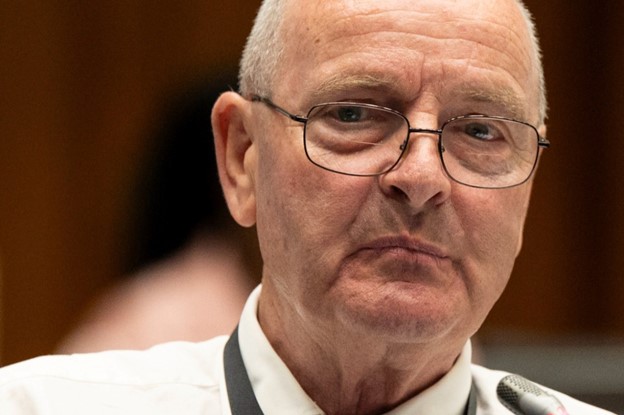
Forensic investigator Paul O’Sullivan’s appearance before Parliament’s ad hoc committee has reignited debate about witness protection and the integrity of South Africa’s criminal justice system.
O’Sullivan warned that more witnesses could be murdered if they come forward, which speaks directly to the number of alleged assassinations of witnesses or the implicated at the Madlanga Commission, which is investigating allegations of underworld infiltration and political interference in the criminal justice system.
ALSO READ: Fourth suspect hands himself over in Pretoria e-hailing murder case
Marius van der Merwe, who testified at the commission in November as “Witness D”, was shot dead on 5 December, just days after giving evidence about the alleged extrajudicial killing of Emmanuel Mbense, and its alleged police cover up.
Wiandre Pretorius, implicated in the killing and cover up of Mbense, survived a hit attempt, but died by suicide just days later, on 7 February. According to police, he was also a person of interest in the murder of Van der Merwe.
Witness F, a common denominator, or a bridge between senior police leadership and alleged criminal figures, has had his testimony postponed due to hospitalisation, amid claims of intimidation and WhatsApp evidence linking him to senior officials.
These deaths and delays underscore O’Sullivan’s claim that witnesses face massive pressure not to testify.
ALSO READ: AU Summit| Ramaphosa calls for immediate ceasefire in Sudan, South Sudan
The commission has placed senior police officers and political figures under intense scrutiny.
Evidence against alleged underworld figure and tenderpreneur Vusimuzi “Cat” Matlala, implicated in alleged contract killings, tender fraud, and infiltration of law enforcement, suggests one of his businesses was granted policing powers in Ekurhuleni, effectively outsourcing law enforcement to a private entity.
It was KwaZulu-Natal Police Commissioner Lieutenant-General Nhlanhla Mkhwanazi’s July 2025 briefing which alleged systemic corruption, organised crime syndicates, and sabotage of the justice system, that triggered probes and the commission of inquiry. His allegations were backed by WhatsApp chats, and financial records now appear to align with O’Sullivan’s warnings.
O’Sullivan himself refused to answer some questions about his personal background, citing safety concerns for himself and his family. His defiance highlights the precarious position of whistleblowers who expose entrenched corruption while facing threats to their lives.
The Madlanga Commission was established to probe criminal infiltration and political interference in the justice system. Yet, with witnesses dying, withdrawing, or being hospitalised, the inquiry risks being undermined by fear.
ALSO READ: Radebe urges ANC KZN to rebuild branches ahead of 2026 polls
O’Sullivan’s testimony suggests he knows far more than he has revealed, and that the stakes for those who dare to speak are life and death.
The weight of the whistleblower is crushing. If O’Sullivan is right, the question is not whether corruption exists, but whether South Africa’s institutions can protect those who expose it.
INSIDE POLITICS



