
By Akani Nkuna
Mineral and Petroleum Resources Minister Gwede Mantashe said on Monday South Africa’s petroleum reforms could help reduce reliance on imported finished products, unlock greater oil and gas development, and support economic growth.
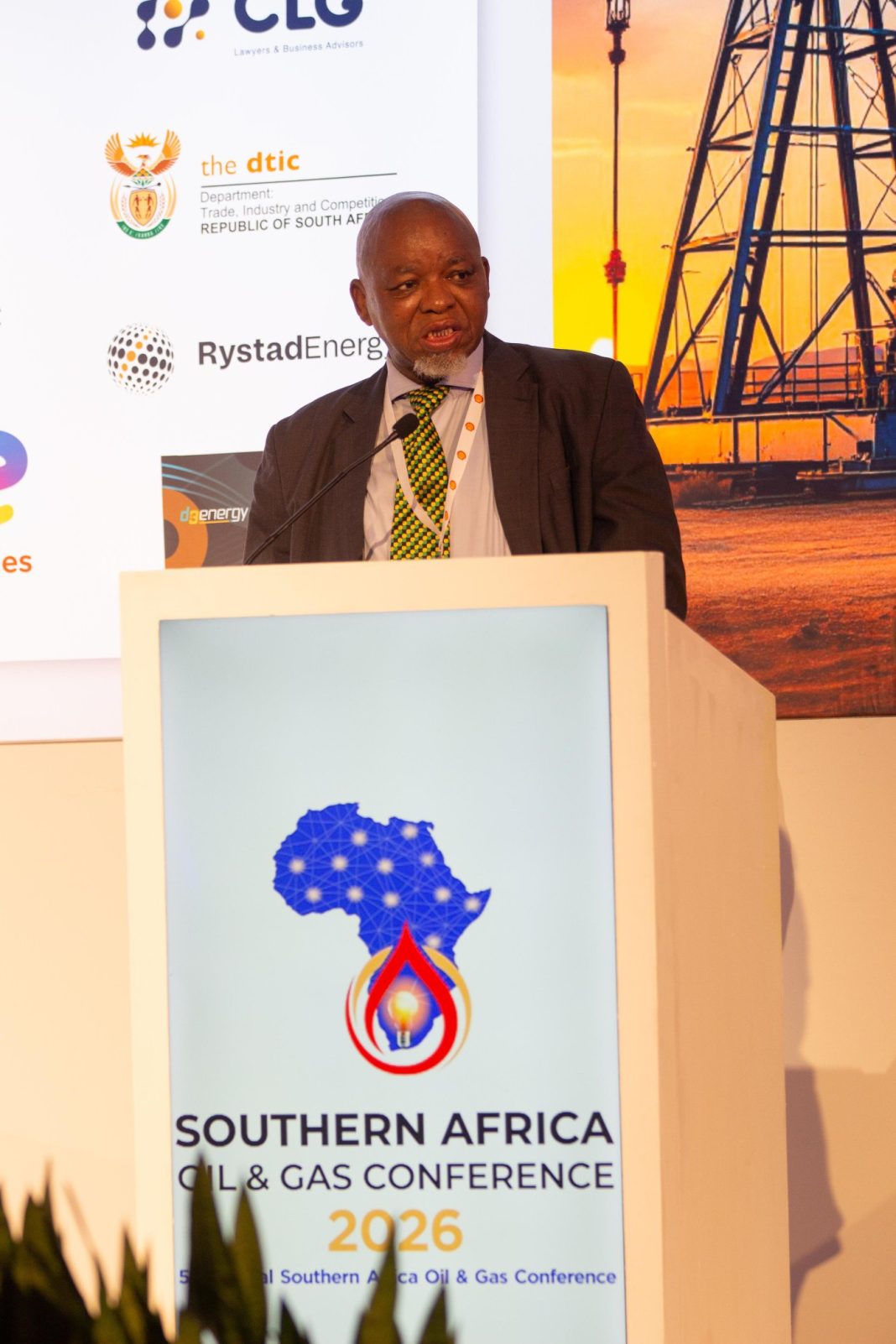
Speaking at the 5th Annual Southern Africa Oil and Gas Conference at the Century City Conference Centre in Cape Town, Mantashe said South Africa and the continent faced persistent challenges in using their abundant natural resources to shift their economic trajectory upward, and that urgent reforms and interventions were needed.
ALSO READ: Police sergeant Witness F contradicts Sibiya over Cat Matlala link
He said South Africa had significant offshore petroleum potential, including major gas discoveries in the Outeniqua Basin, but that these remained underexplored and underexploited because of blockages against oil and gas development in the name of environmental protection.
“It is against this backdrop that our government continues to reform its legislative framework to promote and advance the petroleum sector so that it can make a meaningful contribution to South Africa’s economy,” he said.
“The enactment of the Upstream Petroleum Resources Development Act (UPRDA) represents a critical intervention in this regard. The Act has not only separated petroleum from mining legislation, but also establishes an enabling regulatory framework aimed at accelerating exploration and production of the nation’s petroleum resources.”
Mantashe said the conference had brought together key energy, oil and gas stakeholders from across the world, including government officials, to discuss how regulatory frameworks could safeguard the environment while enabling sustainable development in Southern Africa’s upstream petroleum industry.
ALSO READ: Logistics inefficiencies cost SA nearly R1bn a day, says Ramaphosa
The Department of Mineral and Petroleum Resources said South Africa also had strong potential for unconventional gas discoveries, including coal bed methane and shale gas, and that the conference could help stimulate investment while ensuring the sustainable development of oil and gas resources and maximising local content.
Mantashe said lobby groups continued to pose a challenge to the development of the country’s petroleum sector, adding that reforms and changes to the Petroleum Products Act would help government address some of the stumbling blocks to its broader developmental ambitions.
“These reforms are aimed at ensuring equitable access to, and sustainable development of, the nation’s petroleum resources while, in the long term, reducing the country’s reliance on imports of finished products to meet domestic demand,” Mantashe added.
Against the backdrop of the ongoing conflict in the Middle East and concerns about fuel supply disruptions, Mantashe said sharp fuel price increases were becoming harder to avoid, but said the department was working to secure domestic availability.
ALSO READ: Sabotage denied in valve breakdown as Durban water shortages persist
He said the department remained in active engagements to ensure uninterrupted fuel supply in the domestic market “without immediately utilising the country’s strategic reserves”.
“However, as we emphasised during the Africa Gas Forum, the sustainable long-term solution to our challenges lies in domestic production. This can only be achieved through the rigorous exploration and responsible exploitation of our own petroleum resources,” said Mantashe.





