
- Advertisement -spot_img

Logistics inefficiencies cost SA nearly R1bn a day, says Ramaphosa

- Advertisement -spot_img

Must read

By Thapelo Molefe

President Cyril Ramaphosa has called for urgent reforms to South Africa’s transport and logistics system, warning that inefficiencies are costing the economy nearly R1 billion a day and undermining growth.

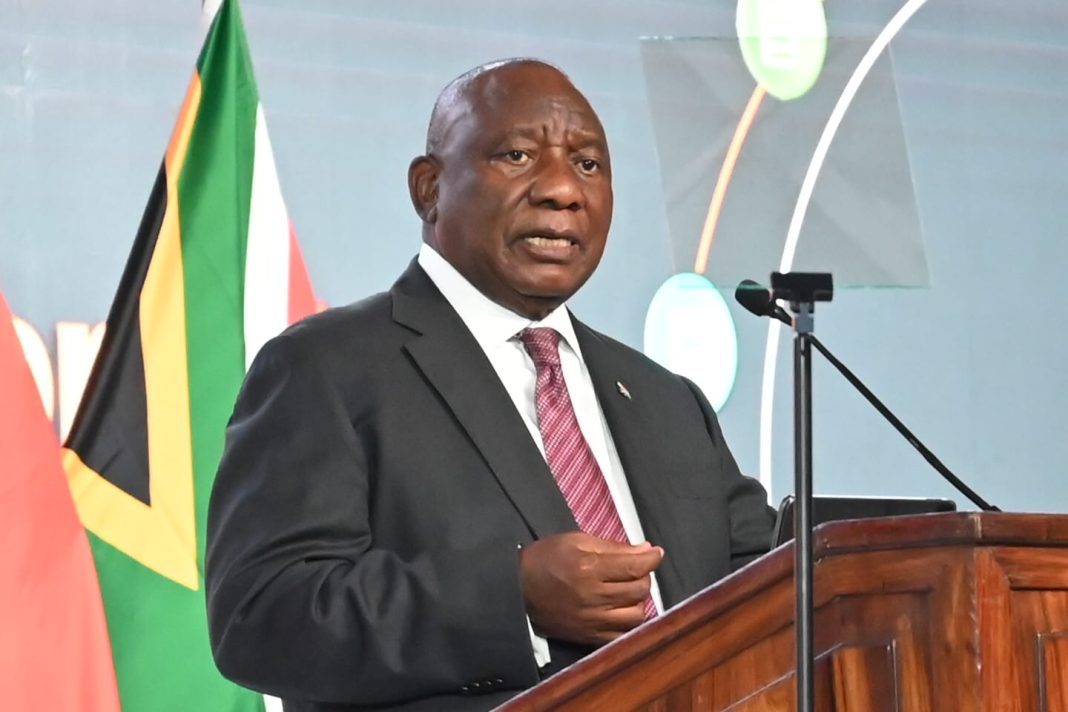
Speaking at the inaugural National Transport Conference at Gallagher Estate on Monday, Ramaphosa said modernising the country’s transport infrastructure was essential to restoring competitiveness and unlocking economic opportunity.

ALSO READ: Sabotage denied in valve breakdown as Durban water shortages persist

“Transport is vital to our economy and our people,” Ramaphosa said. 

“When our transport arteries are blocked or inefficient, growth stalls, costs rise and opportunity diminishes. When they flow freely, the country thrives.”

The president said the government had placed logistics reform at the centre of its economic recovery strategy through the Medium Term Development Plan, citing a major imbalance in the freight system where around 69% of freight is transported by road rather than rail.

“This places immense strain on our road network and contributes to poor road safety,” he said.

Ramaphosa said the inefficiencies were a burden the country “should not and need not bear”.

Central to the reform programme is the implementation of the 2022 National Rail Policy and the 2023 National Freight Logistics Roadmap, which aim to restore rail as the backbone of South Africa’s freight system.

Through the establishment of the Transnet Rail Infrastructure Manager, Ramaphosa said open access to the rail network had been introduced to allow private train operators to run services on state-owned infrastructure.

ALSO READ: Shibiri maintains no wrongdoing, despite evidence of Matlala relationship

Train slots covering 24 million tonnes of freight annually have already been conditionally awarded to 11 train operating companies, with the first private operator expected to begin operations in April 2027.

“We have set an ambitious target of moving 250 million tonnes of freight by rail by 2029,” Ramaphosa said.

The president said rail freight had already shown signs of recovery, with 160 million tonnes moved in the last financial year, representing a 5.5% increase on the previous year. Revenue at Transnet rose to R82 billion in the 2024–2025 financial year, nearly 8% higher than the year before.

He said the National Logistics Crisis Committee, established to address the country’s logistics challenges, had helped drive improvements on key coal and iron ore export corridors and reduce security incidents on the rail network.

“These are early signs of recovery. They tell us that the interventions are working,” he said.

Ramaphosa also highlighted progress in passenger rail through the Passenger Rail Agency of South Africa, which has revived 37 of its 40 priority rail corridors and introduced more than 300 locally manufactured train sets.

The government is targeting 116 million passenger journeys this financial year, with a long-term goal of 600 million trips by 2029.

“An effective passenger rail system connects communities and provides dignity to working-class South Africans,” the president said.

ALSO READ: Lekota remembered: Courage, sacrifice, and the promise of freedom

He added that government had issued a Request for Information to attract private investment into rapid regional rail, new rolling stock and modernised depots.

Road transport, however, would remain a critical component of the logistics system, he said, particularly for the trucking industry and the taxi sector, which carries around 80% of public transport users in the country.

Government is working with taxi associations and financial institutions to improve financing options and reduce risks in the industry.

Ramaphosa also pointed to road safety as a major concern, noting that more than 12,000 people die on South Africa’s roads each year.

“We aim to at least halve road deaths by 2030,” he said.

He said the South African National Roads Agency manages over 31,000 kilometres of national roads, which carry around 70% of long-distance freight. Infrastructure projects, including the Moloto Road upgrade and the Msikaba and Mtentu bridges in the Eastern Cape, have created more than 35,000 jobs and supported over 2,000 small businesses, he added.

Ramaphosa also stressed the importance of maritime and air transport to the country’s economy.

With over 90% of South Africa’s trade by volume moving by sea, he said global disruptions to shipping routes, including conflict in the Middle East, presented an opportunity for the country’s ports to position themselves as alternative logistics hubs.

On aviation, Ramaphosa reiterated support for the African Union’s Single African Air Transport Market initiative, which aims to liberalise airspace across the continent and improve connectivity between African cities.

“A flight that should take four hours should not take eighteen,” he said.

In closing, Ramaphosa proposed the creation of a permanent Transport Council, bringing together government, the private sector, and logistics operators across rail, road, air, and sea to coordinate reforms.

“Just as collaboration transformed our energy response, cross-sector collaboration of this kind will enable further stabilisation and inclusive growth in transport,” he said.

INSIDE POLITICS

More articles

LEAVE A REPLY

Please enter your comment!
Please enter your name here

CATHSSETTA

spot_img

AVBOB STEP 12

spot_img

Inside Education E-Edition

spot_img

Inside Metros G20 COJ Edition

spot_img

JOZI MY JOZI

spot_img

QCTO

spot_img

Latest article



