
LUCAS LEDWABA
PARLIAMENT’S portfolio committee on agriculture, land reform and rural development has mooted that funding for the Ingonyama Trust Board (ITB) be withheld or suspended in a move that could further cripple the troubled organisation.
The ITB which has become unpopular in contemporary politics as it’s viewed as a relic of the hated homeland administration system, was established by the former KwaZulu homeland government on the eve of the historic 1994 first democratic election.
Its mandate is to administer land on behalf of Zulu monarch King Goodwill Zwelithini who is the sole trustee as part of the deal that led to the historic 27 April 1994 election.
In early May the ITB which is the subject of a pending court case brought by the Council for the Advancement of the SA Constitution (Casac), the Rural Women’s Movement and seven informal land rights holders was grilled by the committee to explain why it did not reach any of the targets it set to support or capacitate traditional councils in the second quarter of the 2019/20 financial year.
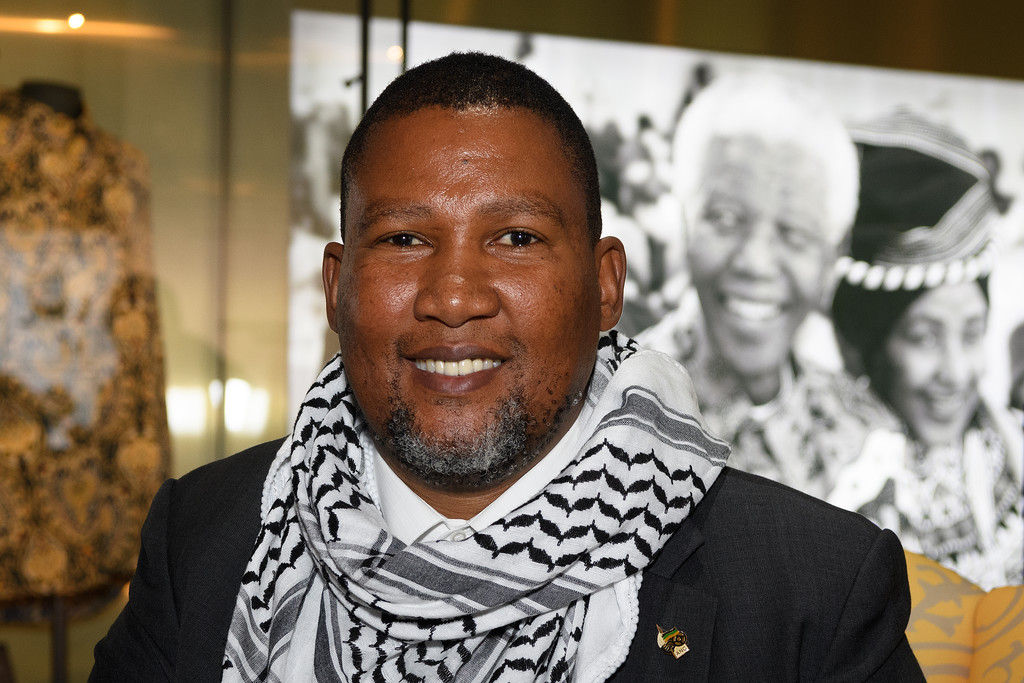
This week the committee chaired by Inkosi Zwelivelile Mandla Mandela further proposed the suspension or withholding of funds allocated to the ITB for the 2020/21 financial year. The committee said this was due to there being no clear programmes to deal with the empowerment of youth, women and people with disabilities in the rural communities, in line with the purpose of the ITB to manage the trust for the material wellbeing of traditional communities on its land.
The committee heard that a number of vacancies had become vacant at the ITB in the past year following the suspension or precautionary leave of the chief executive officer and the chief financial officer, together with six top officials on precautionary leave.
The committee said information on the survey of the ITB land is outstanding and that when it tabled its strategic and annual performance plans, no budget information was included.
“Therefore, the status of the budget presented in the committee briefing is uncertain. The IT (B) must table the budget, by an addendum, indicating allocation to further the purpose of the trust,” the committee said in a statement.
The committee raised concern that the Inter-Ministerial Task Team formed to deal with issues affecting the ITB has not released a progress report on its meetings. It called on minister of agriculture, land reform and rural development Thoko Didiza to report to the committee on the progress of the engagements.
A member of the committee recommended that the ITB be placed under administration. The committee noted that the ITB only reports on the R22 million allocated to it and not on the revenue it receives from the issuing of mining rights, leases and levies that it collects.
In its presentation to the portfolio committee on agriculture, land reform and rural development dated 5 May, the ITB proposed a budget of R52.2million.
This includes over R38.5 million for salaries, R4.6 million for board members fees, an additional R1 million for increased activities of the board and a further R1.08 million for board related expenses.
The trust has set an amount of R43 million as its proposed income, the bulk of it, R19million set to come from commercial leases and a further R17million from telecommunication leases.
A further R3million is set to be generated from residential leases and R1.2 million from mining royalties. Mandela said the committee supports the suspension of the ITB’s funds until a review is done.
The lastest call by parliament could lead to further trouble for the embattled ITB.
An expert advisory panel on land and agrarian reform led by former president Kgalema Motlanthe recommended, among other things, that the ITB Act be reviewed or repealed and land currently under its administration be given to municipalities and people who live on it.
In the pending case brought by the Council for the Advancement of the SA Constitution and other parties, the ITB is being challenged for instructing the compulsory signing of lease agreements.
The ITB has also drawn the ire of rural folk who are rebelling against paying annual leases on their ancestral land to the ITB. If the ruling goes against the ITB it could further diminish its powers and strengthen calls for it to be dissolved.





