


By Charmaine Ndlela
Malawi on Monday started its voluntary repatriation for citizens displaced by recent violence in Mossel Bay in the Western Cape, as concerns grow over the safety of foreign nationals.
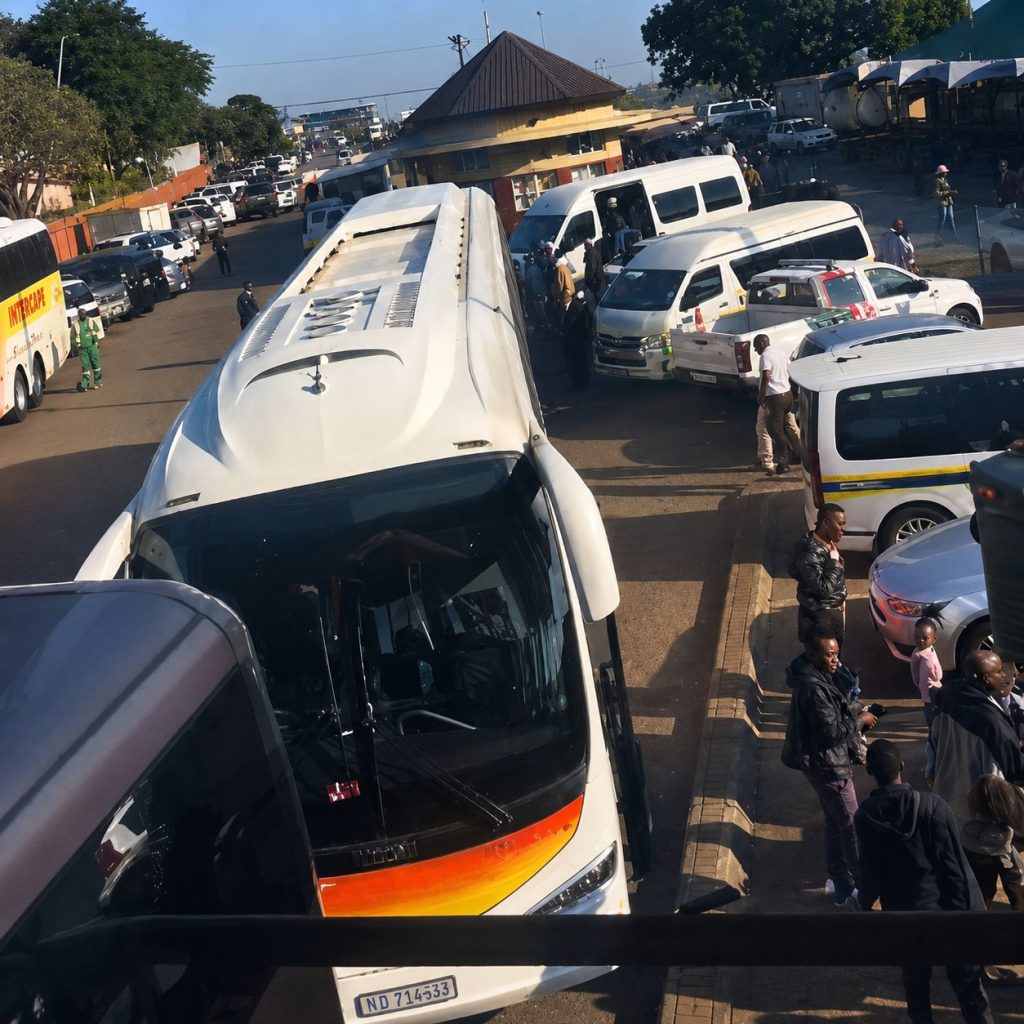
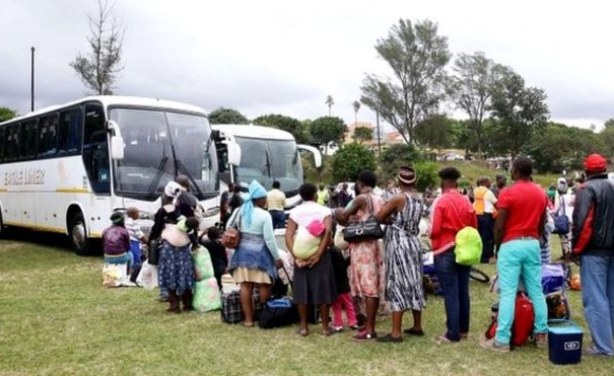
Malawi’s Ministry of Foreign Affairs and International Cooperation confirmed that the first two buses carrying 150 Malawian nationals departed the province on Saturday.
The group is part of hundreds of foreign nationals who were displaced and sought refuge in temporary shelters following unrest that erupted in Mossel Bay in late May.
The “evacuation” and repatriation operation is being coordinated by a multidisciplinary Malawi task team deployed to the Western Cape under the supervision of the Malawi High Commission in South Africa.
ALSO READ: Youth apathy casts shadow over November polls
The returnees are travelling by road through Zimbabwe and Mozambique and are expected to enter Malawi through the Mwanza Border Post on Monday.
Upon arrival, they will be transported to Kamuzu Stadium in Blantyre for processing before being reunited with their families and returning to their communities.
The Ministry of Foreign Affairs and International Cooperation said it remained ready to provide transit, consular and humanitarian assistance in collaboration with relevant government departments and agencies.
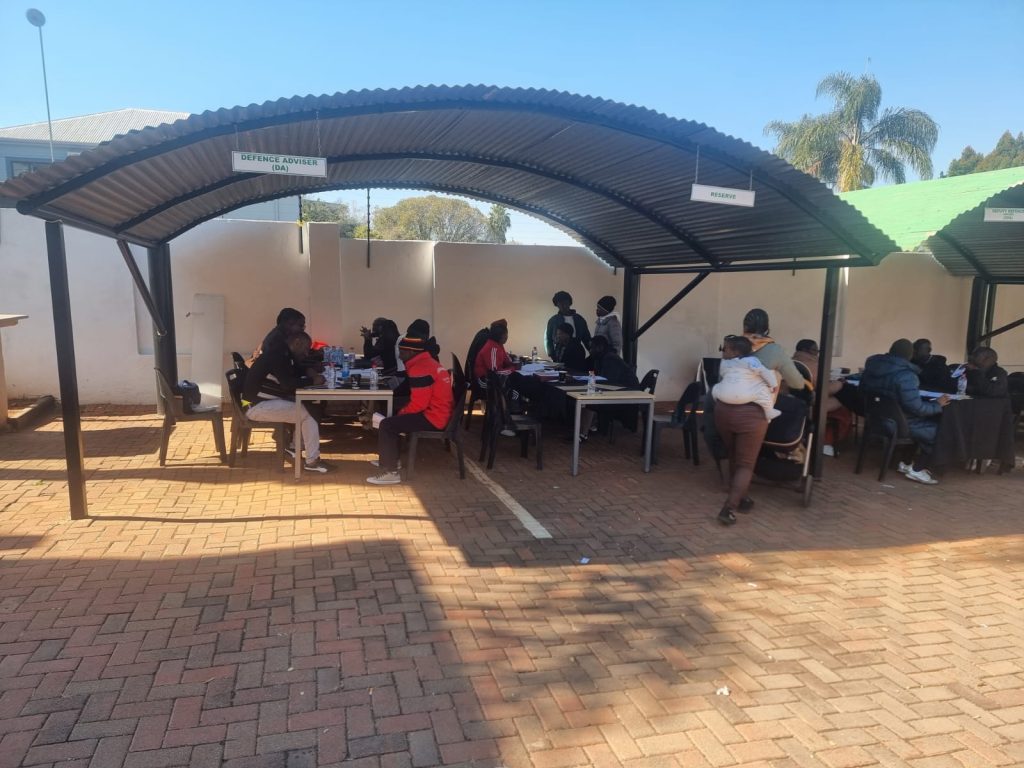
At the same time, Nigerian and South African authorities have begun screening and documentation processes to determine eligibility for Nigerians wishing to return home ahead of a planned voluntary repatriation exercise, amid growing concerns about the safety of foreign nationals.
According to Nigeria’s Ministry of Foreign Affairs, 1,094 Nigerians had registered for the voluntary repatriation programme as of early June.
Meanwhile, President Cyril Ramaphosa has moved to calm tensions, warning against vigilantism and unlawful action against migrants.
Speaking during a national address on Sunday, Ramaphosa said only the state had the authority to enforce immigration laws.
ALSO READ: Eskom load-reduction relief reaches 700,000 homes, but Gauteng and KZN lag
“I must make it clear that only the authorised government officials may act against violations of the law, including violation of our immigration laws,” he said.
“No other person is allowed, for example, to confront someone in the street to demand proof of nationality.”
Ramaphosa also warned that government would act against individuals or organisations seeking to exploit concerns around immigration to incite violence or advance political and criminal agendas.
“We will act against forces who are exploiting the concerns of our people about illegal immigration to further their own political, personal or criminal agendas,” he said.
His remarks come as anti-illegal immigration group March and March continues to push for undocumented migrants to leave South Africa by 30 June. The deadline is not a government directive, but a demand promoted by anti-illegal immigration activists.
The deadline has generated widespread debate on social media, with uncertainty growing over what could happen in the coming weeks.






