

By Charmaine Ndlela
The inaugural Hotel & Home Design Fair wrapped up in Polokwane on Saturday with a call for the hospitality and property sectors to support local designers and manufacturers by turning connections made at the exhibition into business contracts and employment opportunities.
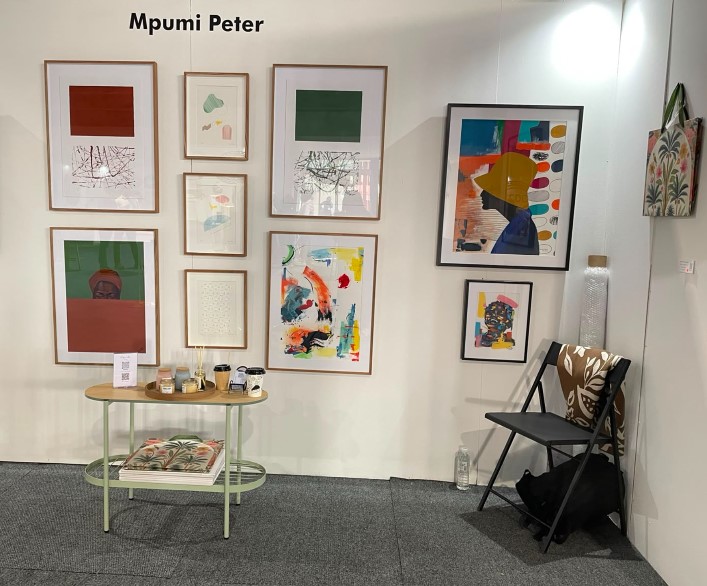
Held at the T49 Hangar at Polokwane International Airport from 8 to 10 October, the three-day event brought together more than 60 exhibitors showcasing furniture, textiles, décor, art, lighting, ceramics and hospitality products.
Organised by Gentry Business Enterprise (Pty) Ltd, the fair aimed to connect local producers with hotel and lodge owners, architects, property developers and other buyers, giving small businesses an opportunity to showcase their products and access markets that are often difficult to reach.
Boosting local manufacturing
Project director Hendrietta Pheladi Masha said the exhibition was intended to strengthen relationships between local producers and hospitality businesses while encouraging the industry to source more South African products.
“We want people to wake up in hotels and drink our local teas, drink our local beers, see our visual arts and use everything that is made in South Africa,” Masha said.
She said the fair was about more than displaying products, with organisers seeking to connect exhibitors directly with potential buyers who could place orders and support business growth.
Speaking to Inside Metros, Masha said she had seen hotel owners attending the exhibition and engaging with exhibitors, which she hoped would translate into increased local procurement.
“We want people to wake up in hotels and drink our local teas, drink our local beers, see our visual arts and use everything that is made in South Africa,” Masha said.
She said one of the fair’s key objectives was to reduce the barriers between producers and buyers.
“It creates more opportunities. We are going to cut out the middlemen between a buyer and a seller or producer,” she said.
“We invested so much in this exhibition, believing that when you do something that we call proof of concept, you must make sure that you do it to high standards so that, next time, people are willing to invest because they believe it is a good investment,” she said.
She added that organising the fair had created short-term work for people involved in its operations, including carpenters and security personnel.
Masha confirmed that the exhibition would become an annual event, with ambitions to expand into other provinces.
She said Limpopo’s tourism industry offered opportunities for local businesses to supply products and services to hotels, lodges and other establishments that attract visitors.
Turning design into business
Design Institute South Africa board member representative Lethabo Maseko said South Africa needed to do more to turn its creative talent into commercially successful businesses.
Maseko said the design industry played an important role in the economy, culture and innovation, but creativity alone was not enough to ensure that businesses survived and grew.
“Usually, in the creative industry, people are focused on their creativity, but there is a business part that is very important. Design is what keeps the economy moving. It is an important element of the economy,” Maseko said.
“Everything starts with design. Whether it is a car or a chair, everything starts with design, so we have to make sure that we harness the skills, knowledge and creativity that we have in South Africa and ensure that we value our design.”
Maseko said South Africa had significant creative talent that needed stronger business development, collaboration and access to local and international markets.
She also highlighted the practical role of design in solving everyday problems, including making products and spaces more accessible to people with disabilities.
Designers needed to consider functionality alongside appearance, ensuring that their products responded to the needs of the people who used them, she said.
Collaboration and exports
Maseko said collaboration was another important factor in building sustainable businesses, with companies in different areas of design able to work together to offer more comprehensive solutions to clients.
For example, an interior design business could partner with an automation company to provide clients with both a designed home and integrated technology.
“It is not easy for one person to do everything. Collaboration is very important because, in a short time, it can also make the business more viable,” Maseko said.
She urged designers to seek support from organisations that assist businesses with branding, marketing, quality standards and exporting, while also exploring opportunities in international markets.
“We are consumers. We need to stop being consumers and become producers who send our products outside,” Maseko said.
She said sustainable growth in the design industry would depend on turning creative skills into commercially viable enterprises, building partnerships and taking advantage of available support.
Mmupi and Clay eyes growth
For Angie Lebese, founder of Mmupi and Clay, the fair offered an opportunity to connect with hotel and lodge owners who could help the business increase production and create more jobs.
The business processes indigenous clay and produces a range of ceramic products, including cups, teapots, gardenware, planters, vases, sculptures and tiles.
Speaking to Inside Metros, Lebese said reaching major hospitality buyers was often difficult for small businesses, making the exhibition an important opportunity to establish new relationships.
“Networking is difficult when you are trying to get close to the big owners of hotels and lodges. This helps us a lot because they know how to engage with them and invite them to come,” she said.
Lebese said the business had engaged with potential clients during the event and hoped those discussions would result in orders.
The company offers customised products, allowing customers to request particular designs, colours and finishes to match the themes of their establishments.
Lebese explained that the production process begins with an original design, which is developed into a master piece before a mould is created to reproduce the item consistently. This enables the business to respond to larger orders while maintaining the integrity of its designs.
The company currently employs seven people, but Lebese said securing substantial contracts could allow it to expand its workforce.
Training young potters
She said the business was also training young people at Zebediela Plaza, a shopping mall in Moletlane village in Limpopo’s Capricorn District, because experienced potters were difficult to find.
“We are starting to train young ones because we are looking for more workers. After we train them, we are going to employ them,” she said.
The training is intended to help the company build the capacity to fulfil larger orders from hotels, lodges and other buyers.
Lebese said the business was also exploring alternatives to everyday plastic products, including making clay versions of containers.
Mmupi and Clay operates at Zebediela Plaza and has a studio in Lyndhurst, Johannesburg. The business also offers pottery classes and sells its products at Rosebank Market on Sundays.
Lebese said attracting more customers would allow the company to increase production, create employment and sustain its operations.
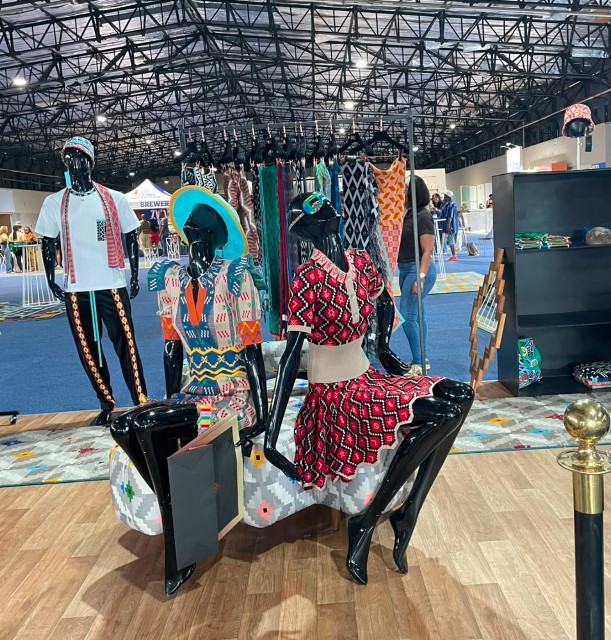
MAXHOSA AFRICA targets Limpopo
South African cultural luxury brand MAXHOSA AFRICA also used the exhibition to connect with customers and explore opportunities in the home and lifestyle market.
The brand’s event lead, Verona Banda, said the fair gave the company an opportunity to interact directly with customers in Limpopo and introduce them to its broader product offering.
“This is an event and an opportunity for us to be able to reach out to the clients that we know we have but don’t really always have an opportunity to interact with,” Banda said.
She said the exhibition also allowed the brand to connect with different markets while celebrating South African art and design.
Palesa Makosholo, a member of the brand’s retail team, said the focus on home and lifestyle products created an opportunity to engage with customers interested in furnishing and decorating homes, hotels and other properties.
MAXHOSA AFRICA’s representatives said the brand was particularly interested in connecting with people who wanted to collaborate with the company or purchase products from its lifestyle catalogue.
Banda said Limpopo offered opportunities for premium South African design, with a market for local art and creative products.
Founded in 2010, MAXHOSA AFRICA is known for its interpretation of traditional Xhosa beadwork aesthetics and its broader celebration of African design.
Its participation demonstrated how established South African brands could use platforms such as the fair to explore new markets and reach customers beyond their traditional product categories.
INSIDE BUSINESS