



By Simon Nare
Former president Kgalema Motlanthe has acknowledged widespread dissatisfaction with service delivery across South Africa, saying that the situation will not improve unless local government has the “correct skills” and necessary finances to employ the right people, such as engineers.
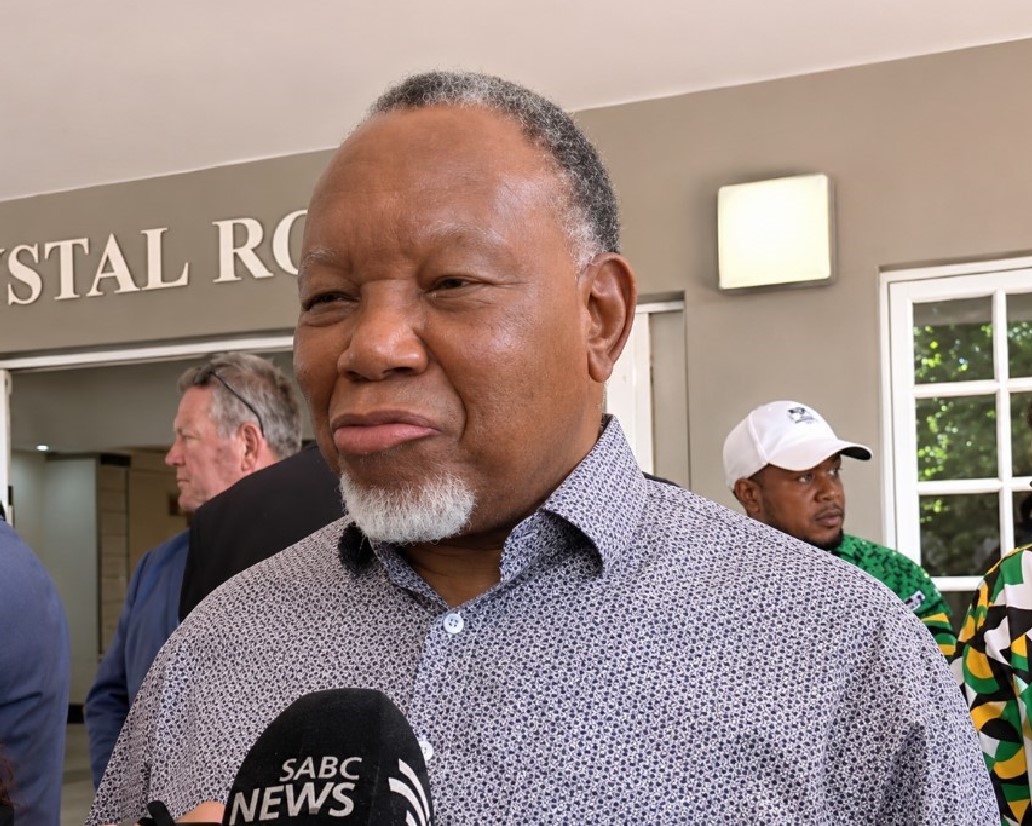
Speaking to the media after casting his vote at the Killarney Country Club in Johannesburg on Wednesday during the local government elections, Motlanthe said that residents in rural and urban areas, townships, districts and metros were equally unhappy with the state of local government. “That is their lived experience,” he said.
That unhappiness would persist “until we consider local government as a sphere of government…” he said.
“We ought to create the most efficient state at local government level,” he said.
The former president was among the first politicians to cast his vote in the hotly contested City of Johannesburg, which has a population of 4,803,262 and where 270 municipal council seats are being contested.
The metro has an overall budget of R97.1 billion, including a capital budget of R8.8 billion. However, in recent years, Johannesburg has experienced significant political turbulence, driven largely by unstable coalition governments.
READ: Joburg signed multibillion-rand salary deal just hours before local elections
The city entered the 2021–2026 council term without any party holding an outright majority. The DA initially formed an administration under Mpho Phalatse, with the support of several smaller parties, before successive changes in political leadership brought ANC-backed administrations into office.
Current executive mayor Dada Morero took office in August 2024, leading an ANC-centred coalition arrangement involving support from parties including ActionSA, the Economic Freedom Fighters, Patriotic Alliance, Inkatha Freedom Party, African Independent Congress and Al Jama-ah.
The city’s reported combined infrastructure requirements exceed R220 billion, while non-revenue water accounts for about 44.7% of its water supply.
City Power’s electricity distribution losses stand at about 27%, while the municipality’s revenue collection rate has declined from 88.6% to about 86%.
INSIDE POLITICS






