

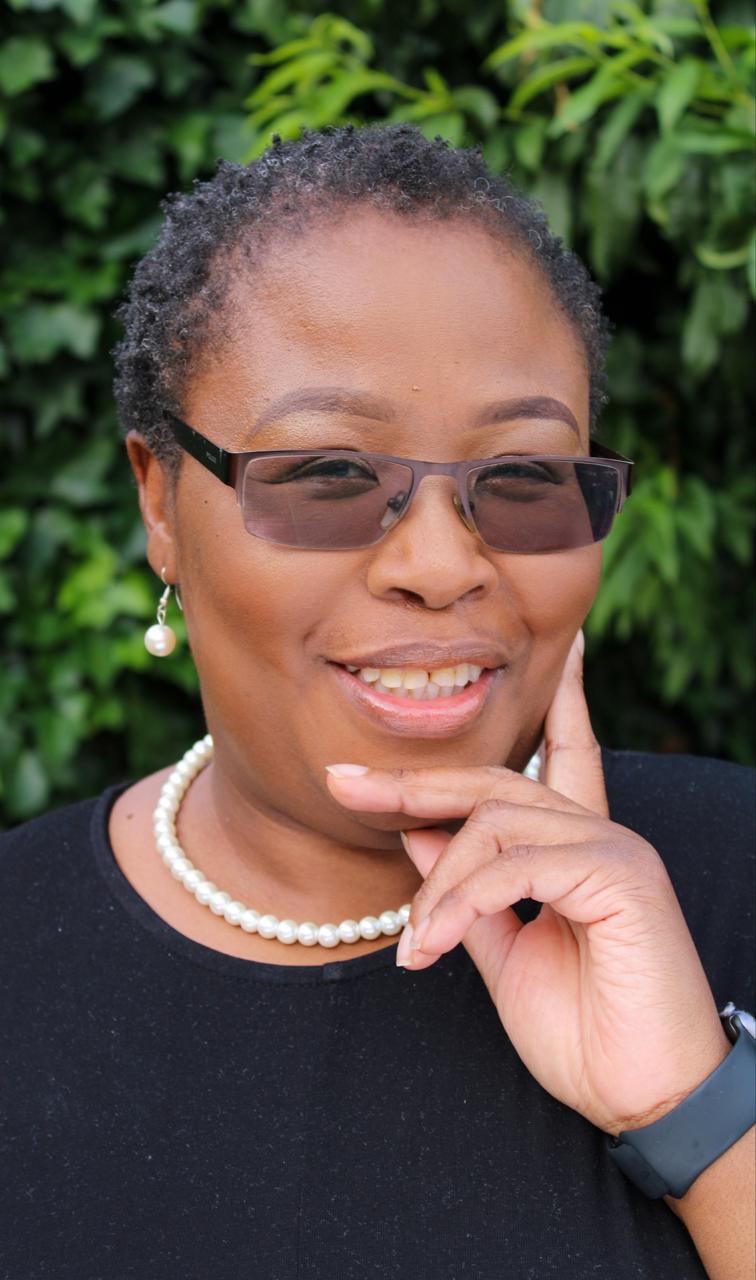


By Simon Nare
South African Airways (SAA) board member Pam Yako says women continue to face significant barriers in the tourism and conservation industries despite government policies and programmes intended to support their advancement.
Speaking to Inside Politics following the October publication of her book, The Savanna Code: Wisdom from the African Wild for Women Leading on a Warming Planet, Yako said limited access to funding, land and business expertise continued to hinder women’s participation in these sectors.
Yako, who previously chaired the boards of South African Tourism and South African National Parks (SANParks), said her experience in government, conservation and tourism had exposed her to the challenges women faced, particularly those arising from South Africa’s history of inequality.
ALSO READ: Unemployment rises to 33.7% despite job gains
These included limited access to capital, inadequate credit records to secure bank loans, funding barriers and difficulties obtaining the expertise needed to develop business plans.
Yako was also a former director-general of the Department of Environmental Affairs and Tourism.
She said the book was intended to help women navigate these obstacles while developing the confidence and skills needed to take on leadership positions.
“Having served in that sector myself, I’ve seen, I’ve experienced the lack of transformation on the one hand, especially from a woman’s perspective, but also that there were no supportive mechanisms. We’re still very male-dominated at a leadership level, and so I want to use my insights on the one hand, personal insights and my personal journey, having worked as a former director general, and as a board chairperson.
“I have a sense of some of the issues that women face, but there isn’t, I don’t want to call it a blueprint, but there isn’t a manual or something that, if you are finding yourself in those circumstances, whether it’s a lack of recognition or not being sure of yourself, that you can lean on,” she said.
Using her experience in developing environmental policies and legislation dealing with species management, ecosystems and climate change, she said she wanted the book to offer a distinctly African perspective on leadership.
The book explores lessons from the natural world alongside African wisdom traditions and the experiences of influential women, including Nandi kaBhebhe, the mother of Zulu King Shaka, and former minister and African Union Commission chairperson Dr Nkosazana Dlamini-Zuma.
Yako said one of the biggest obstacles to transformation in tourism was the historical inequality in land ownership, which continued to affect women’s ability to establish businesses.
“For instance, in tourism historically you need capital. To be honest you need a piece of land to be able to build a lodge, right? Historically in South Africa, if we look at the economics of our country and the land question, you find that most white people have inherited land from their forefathers,” she said.
She said many black women lacked the financial resources to enter the industry and sometimes had to rely on retirement savings to establish accommodation businesses.
“For black women, most of them you either wait till you retire, take your pension and renovate your four-bedroom house to create a lodge. It’s hard. So many women are under-funded,” she said.
Yako said that although government funding initiatives existed, many women-owned businesses remained small and struggled to secure the resources needed to expand.
ALSO READ: Zille refuses to retract allegations as Malema threatens legal action
She said that complicated application procedures and the costs of preparing business plans and conducting market research could themselves become obstacles for entrepreneurs seeking financial support.
“Even though there are funding opportunities from the government perspective, the barriers to entry and the processes that you have to follow before you get funding are quite onerous.
“You need a business plan, somebody must fund your business plan. And if you want to start a lodge they ask have you done market research? Who is going to come to your lodge? Those kinds of things themselves can become barriers to enter because you can’t grow,” she said.
The Department of Tourism has operated a Women in Tourism Programme since 2013, aimed at supporting women through training, networking and business development.
But Yako reiterated that the existence of empowerment initiatives did not necessarily remove the practical obstacles women encountered when trying to establish or expand businesses.
Her book draws on stories, practical tools, African wisdom traditions and lessons from nature to explore leadership qualities such as courage, resilience, integrity, emotional intelligence, adaptability and purpose.
“At the heart of the book is the idea that nature itself provides a blueprint leadership. Drawing inspiration from elephants, lionesses, baobab trees, rainbirds, ecosystem and the rhythms of the African savannah.
“The book is written for women in conservation, women in tourism and women who are in development in the rural areas, women who are dealing with data climate and also those who are in funding,” she said.






