



By Lebone Rodah Mosima
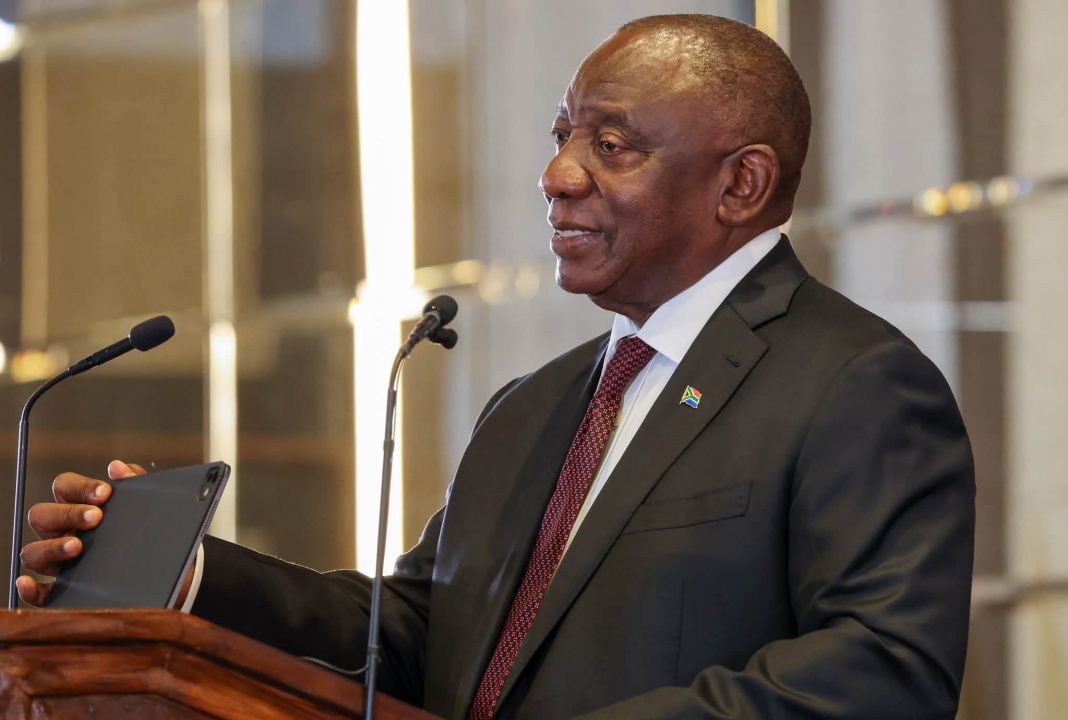
President Cyril Ramaphosa has warned that unequal access to justice threatens public confidence in South Africa’s democracy, saying constitutional rights mean little to millions of people who cannot afford legal representation or access effective remedies.
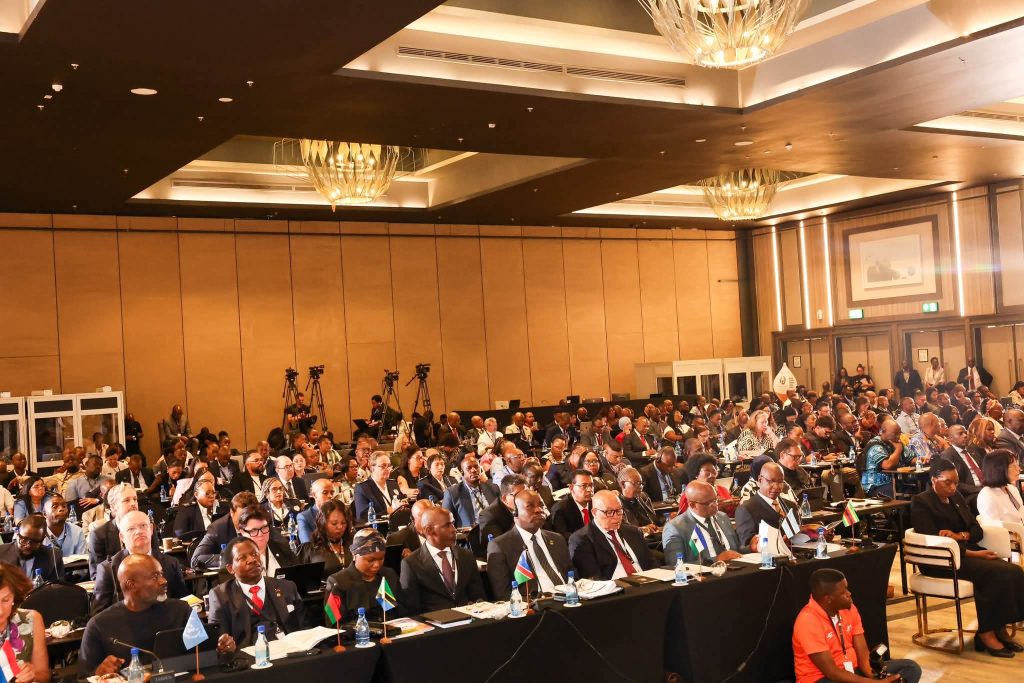
Addressing the International Conference on Access to Justice at the Sun City Convention Centre in North West on Thursday, Ramaphosa said the country must confront the gap between the promises of its Constitution and the lived experiences of ordinary people.
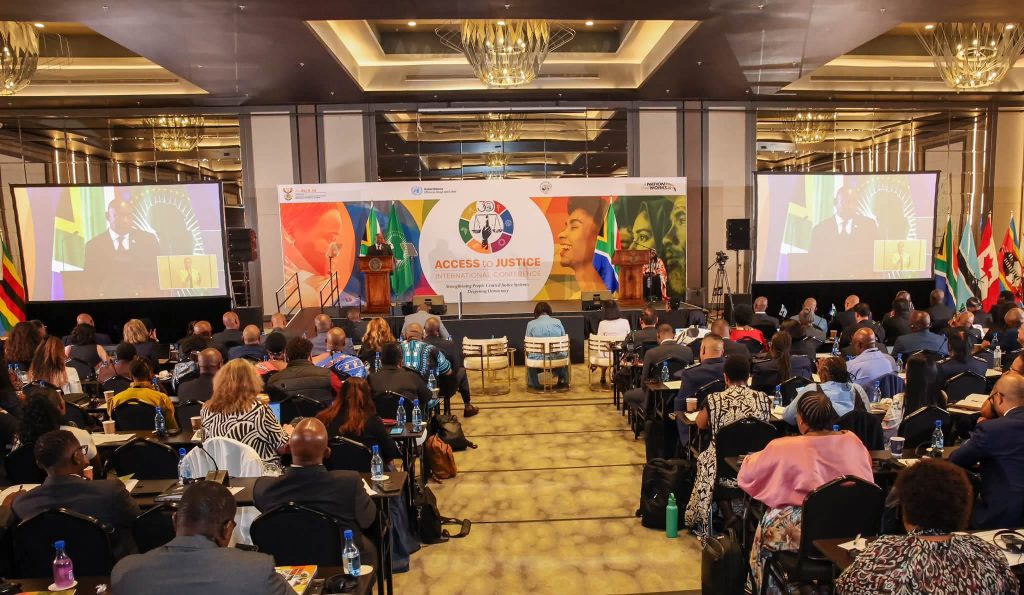
Reflecting on 30 years of constitutional democracy, he said justice could not be measured only by the strength of a country’s Constitution, the independence of its courts or the sophistication of its legal system.
Instead, it should be measured by whether ordinary people could secure protection, obtain redress and live with dignity.
“The existence of constitutional rights does not, by itself, guarantee that people will enjoy those rights,” Ramaphosa said.
He said people could have the right to equality but still experience discrimination, or the right to dignity while enduring violence and humiliation.
Similarly, the right of access to courts meant little to those who could not afford lawyers, travel to courthouses or navigate complex legal procedures.
“This is the gap that we must close. It is the gap between the promise of justice and the experience of justice,” he said.
Ramaphosa warned that failure to address unequal access to justice could weaken the foundations of democratic societies.
“When people repeatedly experience injustice, they begin to lose confidence not only in the institutions of justice, but in democracy itself,” he said.
He said public trust was further eroded when corruption went unpunished, criminality was tolerated and powerful individuals escaped accountability.
“When the poor believe that the law protects the wealthy and powerful but offers them little protection, the legitimacy of our institutions is diminished,” he said.
Turning to international justice, Ramaphosa said the principles of justice and international law were being severely tested, with millions of people suffering the consequences of war, conflict, displacement, discrimination and economic exclusion.
He said civilians continued to bear the greatest burden of conflict, while those responsible for serious human rights violations and breaches of international humanitarian law often escaped accountability.
He called on governments to reaffirm their commitment to international law and ensure that human rights were defended consistently.
“The protection of civilians, the pursuit of accountability and respect for human dignity cannot depend on the political influence, economic strength or strategic importance of the parties involved,” he said.
“There cannot be one standard of justice for the powerful and another for the weak.”
Ramaphosa said injustice was also experienced in everyday life when workers were denied wages, families were unlawfully evicted, consumers were trapped in exploitative lending arrangements and women could not obtain protection from abusive partners.
He added that communities were also affected when they were denied basic services, public resources were stolen through corruption and law enforcement officials became perpetrators of crime.
“These may appear to be individual injustices. But when they are repeated across millions of lives, they become a profound social and democratic failure,” he said.
He identified poverty as one of the greatest obstacles to justice, saying it limited people’s choices, weakened their bargaining power and exposed them to exploitation.
Poverty often meant people could not challenge unlawful decisions, confront abusive employers or seek compensation for wrongs suffered.
“We cannot claim to have achieved equal justice if a wealthy person can pursue a legal remedy for years while a poor person is forced to abandon a legitimate claim because they cannot afford to continue,” he said.
Ramaphosa said economic inequality was often accompanied by unequal access to legal protection, with wealthy individuals and institutions better positioned to defend their interests and pursue litigation.
“We must not allow economic power to become a shield against accountability,” he said.
“Whether injustice is committed by the State, a corporation, an employer, a financial institution or an individual, the law must provide effective protection and redress.”
He outlined three priorities for the conference: making justice genuinely accessible to poor and vulnerable people; building independent, accountable and efficient justice institutions; and establishing meaningful ways of measuring whether justice systems were improving people’s lives.
He said governments had a responsibility to ensure justice systems were adequately resourced, efficient, independent and responsive.
This included strengthening legal aid, supporting community-based legal services and making legal information accessible in languages and formats people could understand.
He also called for stronger action against corruption and measures to protect the administration of justice from political interference and abuse of power.
Ramaphosa said the conference should move beyond discussions and declarations towards practical reforms.
He said progress should be measured not only by the number of cases processed by courts, but also by how long people waited for justice, the costs involved, the fairness of outcomes and whether court decisions were enforced.
“The true strength of a democracy is not measured by the power of its institutions alone. It is measured by how those institutions protect the rights and dignity of the most vulnerable members of society,” he said.
North West Premier Lazarus Mokgosi said justice must be experienced by ordinary citizens in their daily lives and be accessible to the poor, responsive to the vulnerable and capable of protecting everyone’s rights and freedoms.
He said the Constitution had established a social compact founded on human dignity, equality, freedom, non-racialism, non-sexism and the rule of law.
However, the promise of social justice remained incomplete for many South Africans who continued to experience poverty, unemployment, inequality, gender-based violence, crime and barriers to accessing justice.
Mokgosi said constitutional rights must translate into tangible improvements in people’s lives, particularly those living in historically disadvantaged communities.
“For many South Africans, particularly those residing in rural communities, townships and informal settlements, the true meaning of democracy is experienced through access to clean water, quality education, reliable healthcare, safe communities, decent shelter and economic opportunities,” he said.
He said justice could not be separated from development and that democracy could not flourish while poverty, inequality and exclusion denied millions of people opportunities to realise their potential.
Mokgosi said the provincial government remained committed to building safer communities and ensuring that justice institutions responded to people’s needs.
He said the government would continue supporting community policing, cooperation between law enforcement agencies and communities, victim empowerment programmes and initiatives to protect women, children, older people and other vulnerable groups.
He added that unemployment, poverty, inequality, substance abuse and social fragmentation continued to undermine social cohesion and contribute to criminality.
Justice Minister Mmamoloko Kubayi also stressed the importance of ensuring that vulnerable people could access protection under the law.
Referencing former president Nelson Mandela, who said a nation should be judged by how it treated its lowest citizens, Kubayi said the ultimate measure of a justice system was not how it served the affluent, powerful or well-connected.
Instead, it was how it served women seeking protection from violence, children facing abuse, workers seeking fair treatment and rural residents and indigent people requiring legal assistance.
She said digitalisation, artificial intelligence, electronic filing, virtual hearings and online dispute resolution presented opportunities to make justice faster and more accessible.
However, she warned that technological advances could create new barriers if unequal connectivity, affordability, accessibility and digital literacy were not addressed.
“Our principle should therefore be to use technology to close the justice gap, not digitise it,” she said.
Kubayi said access to justice also depended on public trust, integrity and accountability, warning that corruption and institutional failures weakened confidence in the fairness of the justice system.
“A citizen must be able to believe that no person is above the law and that the justice system will act independently, lawfully and without fear, favour or prejudice,” she said.
She said access to justice was not merely a legal objective but also a development imperative, a human rights obligation and a prerequisite for public trust in democratic institutions.
“The challenge before us is not merely to preserve our justice institutions, but to continuously strengthen and transform them,” she said.
She called for justice systems that were more accessible, inclusive, responsive and people-centred, ensuring that the law was experienced as a source of protection, opportunity and hope rather than something distant or intimidating.






