

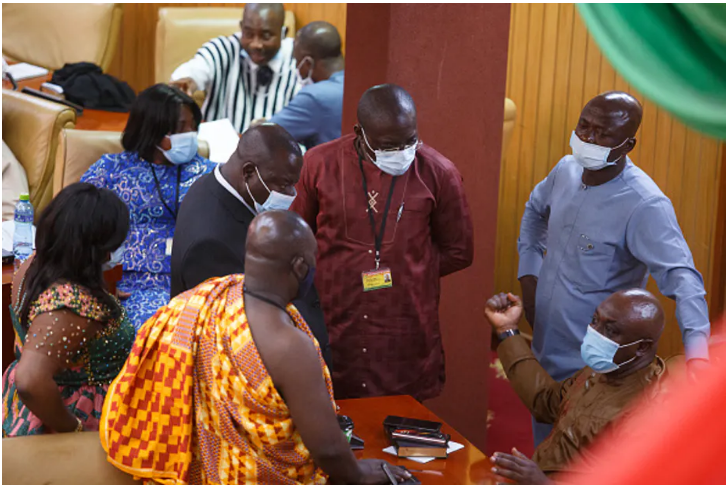


ONLY a quarter of parliamentary seats across the world are occupied by women. In Africa, this figure masks a very uneven development with high numbers in countries like Rwanda (64%) and South Africa (46%). At the other end of the spectrum is Ghana (14%), Botswana (10%) and Nigeria (3%).
In the last two decades there have been renewed efforts to promote gender equality in political participation in the hope that more women in parliament would put women’s needs and issues on the political agenda and drive policy interventions that promote gender equality.
A new book, Gendered Institutions and Women’s Political Representation in Africa, examines the intricate dynamics of the formal and informal institutions influencing women’s political representation in eight African countries. In this article we reflect on South Africa and Ghana.
In South Africa, the ruling party, the African National Congress (ANC) introduced a 30% quota before the first
You’ve reached your free article limit
Subscribe to enjoy unlimited access to trusted journalism. Cancel anytime.
Subscribe nowNeed help? molokom@insidepolitic.co.za






