- Advertisement -spot_img

Kganyago: Financial inclusion doesn’t mean ‘shoving credit down the throats of the poor’

- Advertisement -spot_img

Must read

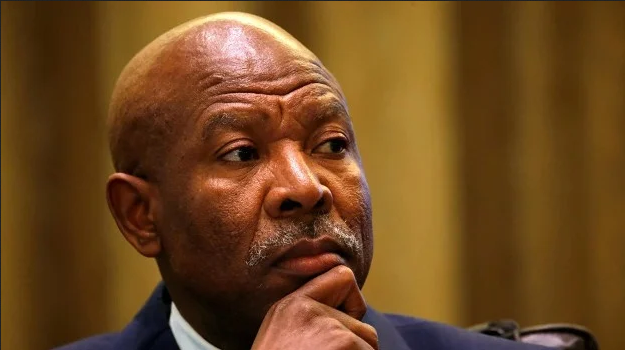
SOUTH Africa’s banks need to better tailor their products to consumers’ needs to increase equality rather than just offering more credit, the central-bank governor has said.

“People think financial inclusion is like shoving credit down the throats of the poor and that is not quite financial inclusion,” Lesetja Kganyago said in a virtual event. While access to credit is very important, it must be tested against affordability, he said.

SA has battled to meaningfully include a larger portion of its population in mainstream finance, with few lower-income earners able to access loans from banks.

That’s just one factor helping to maintain the nation’s position as the world’s most unequal society, a status quo that stems from the system of white minority rule which ended in 1994.

Sluggish progress

The country’s banks have also been criticised for sluggish progress in increasing black representation in their ownership structures and top management.

A report by the Banking Association of South Africa found that Black ownership measures in most categories tracked declined between 2016 and 2019, though most remained above the nation’s Financial Sector Code targets.

A preoccupation with ownership in the financial industry, however, has blinded South Africans to other opportunities to foster transformation, Standard Bank Group’s South African head Lungisa Fuzile said at the same forum.

“Transformation is hard, it is difficult” he said. “We need proper conversations and we need to acknowledge they will be necessarily difficult but if we yell at each other, swear at each other, castigate each other and cast aspersions on each other we won’t make progress.”

Shrinking economy 

Abel Sithole, the chief executive officer of South Africa’s Public Investment Corp., warned that the nation is losing the capacity to ensure the transformation it desires.

Strict restrictions to curb the spread of the coronavirus saw the economy contract the most in at least 27 years in 2020.

Even before the pandemic, South Africa was stuck in its longest downward cycle since World War II and the economy hasn’t grown by more than 3% annually since 2012.

The unemployment rate is the highest among 82 countries monitored by Bloomberg.

  • Bloomberg

More articles

LEAVE A REPLY

Please enter your comment!
Please enter your name here

CATHSSETTA

spot_img

AVBOB STEP 12

spot_img

Inside Education E-Edition

spot_img

Inside Metros G20 COJ Edition

spot_img

JOZI MY JOZI

spot_img

QCTO

spot_img

Latest article