

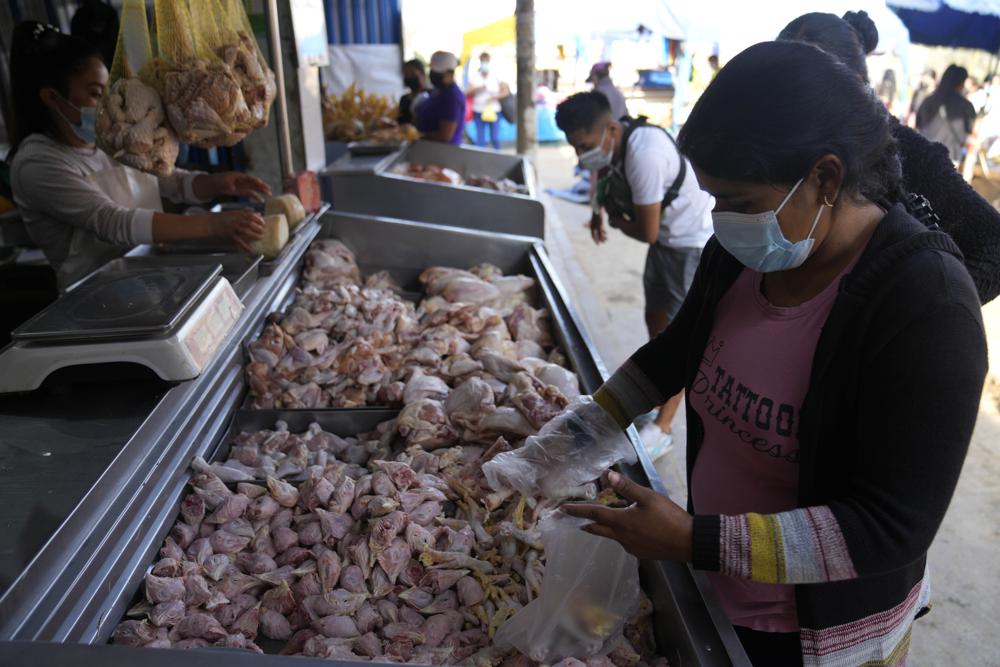


EVERY day for more than two years, Cindy Cueto has woken up in the house she shares with her three children atop a desert hill in Peru’s capital, and wondered: “What are we going to eat?”
The 39-year-old bands together with her neighbors in impoverished Ciudad de Gosen each day to cook up a “common pot” of food, a survival strategy that surfaced in Lima’s sprawling shantytowns with the coronavirus pandemic.
It has since expanded to ameliorate the impacts of the rising prices of food, fuel and fertilizer due to global inflation, the war in Ukraine and a government ineffective in keeping its promise to help the most vulnerable.
The common pot, comparable to a small-scale soup kitchen, provides them one meal a day. Cueto and her neighbors try to track down the cheapest food in the markets, buying cow bones, chicken offal, rice and potatoes. They keep their eyes
You’ve reached your free article limit
Subscribe to enjoy unlimited access to trusted journalism. Cancel anytime.
Subscribe nowNeed help? molokom@insidepolitic.co.za






