



CALLIXTE KAVURO|
THE early days of the COVID-19 pandemic in South Africa saw the government impose a lockdown in a bid to save lives. It introduced several interventions to cushion the impact of the crisis caused by the shutdown of economic activities on citizens. Among the measures were food aid as well as unemployment and debt relief.
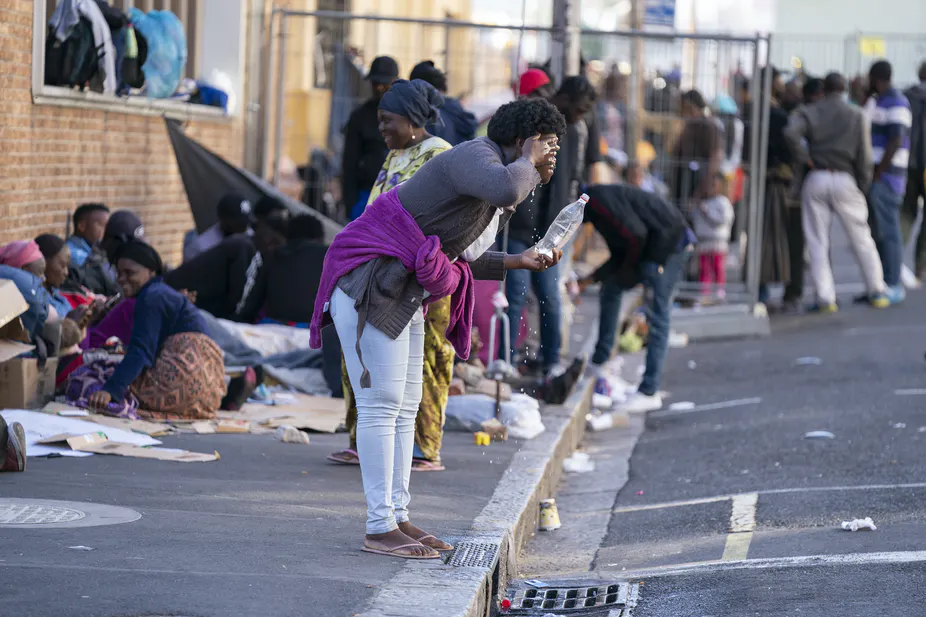
Refugees and asylum seekers expected similar protection. Their expectations flowed from the fact that the South African government has a responsibility to protect them according to the Refugees Act 130 of 1998.
The act incorporates international protections enshrined in the 1951 United Nations (UN) Convention and the African Union Convention. These require states or the UN High Commissioner for Refugees to uphold the human rights of refugees and asylum seekers. An asylum seeker is someone who has applied for sanctuary, and whose application is still being adjudicated. A refugee is someone who has already been granted asylum.
South Africa does not place refugees in camps, where their basic
You’ve reached your free article limit
Subscribe to enjoy unlimited access to trusted journalism. Cancel anytime.
Subscribe nowNeed help? molokom@insidepolitic.co.za






